
GOP Primaries and Funding Stalls Fuel Midterm Fears After Iran Ceasefire

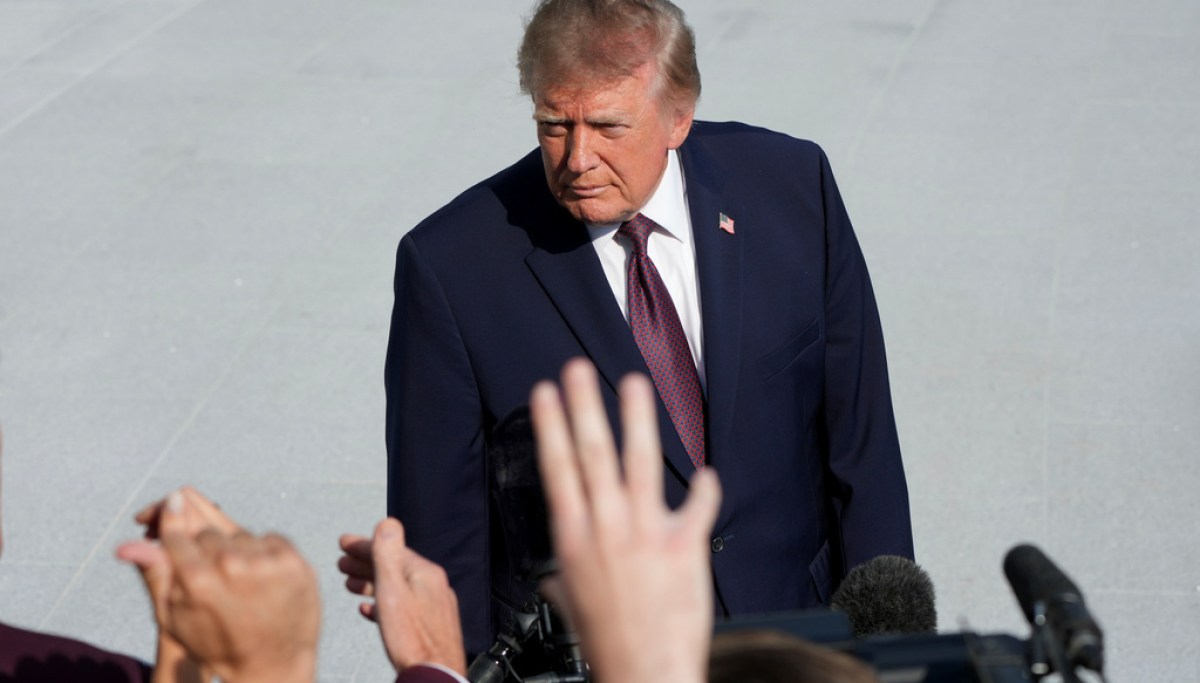
Cover image from rawstory.com, which was analyzed for this article
Republicans face internal strife and brace for midterm backlash from the Iran war and ceasefire, with funding fights paralyzing Congress. Trump's endorsements falter amid circular firing squads, as Democrats eye gains. Primary season ramps up with party divisions exacerbated by the crisis.
PoliticalOS
Friday, April 10, 2026 — Politics
Republicans face genuine coordination problems across primaries in California, Louisiana and Indiana plus stalled funding talks in Congress, all occurring against the backdrop of voter questions about the Iran war's price tag and ceasefire durability. Trump's endorsements have provided initial boosts but have not prevented expensive air wars or candidate-on-candidate attacks that risk depressing turnout. The single most important reality is that these divisions give Democrats a clear opening in midterm mapping if Republicans cannot consolidate before June primaries and the fall campaign.
What outlets missed
Most outlets treated the races and funding disputes as isolated procedural fights, downplaying how the Iran war's $80 billion estimated cost and supply-chain disruptions contributed to the very inflation and domestic-priority shift now hurting GOP incumbents in internal polls. Coverage largely omitted that the ceasefire, brokered in December 2025, included unfulfilled verification protocols that have kept the conflict in headlines and prompted bipartisan Senate briefings on potential renewed hostilities. Outlets also underplayed coordinated grassroots surveys by groups like the Club for Growth showing 62 percent of Republican voters want primaries to end quickly so the party can pivot to attacking Democratic economic records rather than each other. Finally, nearly all ignored that Democratic recruitment memos explicitly cite GOP "circular firing squads" over Iran funding votes as their top messaging opportunity for House pickups.
Republicans enter the 2026 primary season confronting voter unease over the costs and outcomes of the recent Iran conflict, even after its ceasefire took hold in late 2025. Internal divisions have stalled major funding legislation in Congress, complicated Trump's endorsements in key races and prompted warnings of Democratic gains in November. The unresolved question is whether these fractures will harden into lasting damage or yield to unified messaging on border security and economic recovery before voters deliver their verdict.
House and Senate Republicans have spent weeks trading proposals on Department of Homeland Security funding and a broader SAVE America Act that includes non-citizen voting restrictions, according to joint statements from leadership offices. Senate Majority Leader John Thune has pushed for regular order while House Speaker Mike Johnson floated reconciliation maneuvers for immigration enforcement measures. Those efforts remain unresolved as the June 1 deadline set by the White House approaches, per congressional calendars. One senator described the back-and-forth as a circular firing squad in conversations with NBC News reporters.
The legislative impasse coincides with contentious primaries that test the reach of presidential endorsements. In Louisiana, Trump-backed Julia Letlow holds a narrow lead in internal polling at 29 percent but trails incumbent Sen. Bill Cassidy in television spending by roughly three-to-one, according to AdImpact data through early April. Cassidy has aired more than $14 million in ads highlighting Letlow's past statements on diversity initiatives and her stock trades in defense contractors during the Iran escalation. Letlow has countered by noting Cassidy's initial reluctance to support Trump's 2024 bid. Rep. John Fleming, a Freedom Caucus founder, competes for the same conservative lane with self-funded attacks on carbon capture projects and calls for closed primaries to favor Republican voters. Public surveys from late March show no candidate above 30 percent, leaving the top-two runoff spots uncertain.
California's open gubernatorial contest offers Republicans their strongest path to the office since Arnold Schwarzenegger's era, yet the two leading candidates spent their first debate trading accusations over immigration records and pandemic policies. Riverside County Sheriff Chad Bianco criticized commentator Steve Hilton as a shape-shifting opportunist who once backed climate measures under British Prime Minister David Cameron. Hilton labeled Bianco wishy-washy on border enforcement and highlighted his early COVID mask orders. Trump endorsed Hilton days later. Polls cited by both campaigns show the pair leading fragmented Democratic fields under the state's top-two primary system, but party delegates failed to reach the 60 percent threshold for an official endorsement at their San Diego convention.
In Indiana, a last-minute scramble unfolded over a state Senate ballot spot when Trump-aligned officials urged Alexandra Wilson to exit her race against endorsed candidate Brenda Wilson to avoid voter confusion from identical surnames. Wilson described repeated calls from White House political aides and state officials that referenced her prior misdemeanor plea deal, according to her account to NBC News. Conservative attorney Jim Bopp filed a formal challenge citing an allegedly invalid felony expungement. The Indiana Election Commission deadlocked before a judge returned the matter for further review; Wilson remained on the May 5 ballot at publication.
Parallel tensions surfaced on the Democratic side. In Maine, Senate Minority Leader Chuck Schumer recruited Gov. Janet Mills to challenge Sen. Susan Collins, yet Mills trails progressive Graham Platner by double digits in multiple surveys, including an Emerson College poll showing a 27-point gap. Platner, who has received Sen. Bernie Sanders' endorsement, has outspent Mills significantly on advertising while defending past online comments attributed to untreated PTSD from his combat service. Schumer has signaled he will support the primary winner, according to statements from his allies, but outside Democratic groups have withheld major air support for Mills.
Broader polling aggregates show Republican congressional approval dipping in districts hit hardest by inflation that spiked during the Iran conflict. Democrats have highlighted GOP legislative gridlock in recruitment materials for competitive seats in Alaska, Texas and Michigan. Yet Republican operatives note that unified attacks on one-party Democratic governance in California and perceived foreign policy missteps under the prior administration still resonate with base voters. Trump's selective involvement has produced mixed results: strong in Louisiana's initial framing, less decisive in California and Indiana.
The calendar compresses quickly. California and Louisiana primaries fall in June. Congressional funding deadlines precede them. No single actor has yet imposed order across these fronts. The outcome will test whether the party's post-Iran recalibration produces cohesion or continued crossfire.
More in Politics

Federal Agents Search Omar Home in Ongoing Immigration Probe
Homeland Security agents searched the Minnesota Democrat's DC residence in a criminal probe, prompting accusations of political intimidation from Omar and Democratic leaders. Coverage spans left-leaning outlets like NPR, BBC, and The Guardian alongside right-leaning criticism from The Federalist and Daily Wire.

Trump Diesel Import Plan Draws Pushback Over Russia Ties
The weekend agreement drew bipartisan congressional pushback and criticism from Ukraine's Zelenskyy, with analysts downplaying US fuel price impacts. Right-leaning outlets like National Review, Dispatch, and Washington Examiner questioned its legality and effectiveness.

Independents Test Voter Appetite for Middle Ground in 2026 Midterms
Nearly 200 independents are running in competitive races as voters weigh ballot measures on housing costs in states like Massachusetts. Left-leaning coverage from NYT, NPR, and Guardian highlights turnout and key races while right outlets focus on GOP strategy.
Trump Rallies in Alaska, Ohio to Bolster GOP Senate Candidates
The president rallied in Wasilla for Sen. Dan Sullivan and faced empty seats at an Ohio event amid midterm concerns. Outlets across the spectrum covered the trips as signals of GOP vulnerability weeks before Election Day.
The Compass
You just read five takes on one story.
What's your take? Find your political shape in a few minutes.
Take the test