
MAGA Splits Over Trump's Iran Strikes and Ceasefire
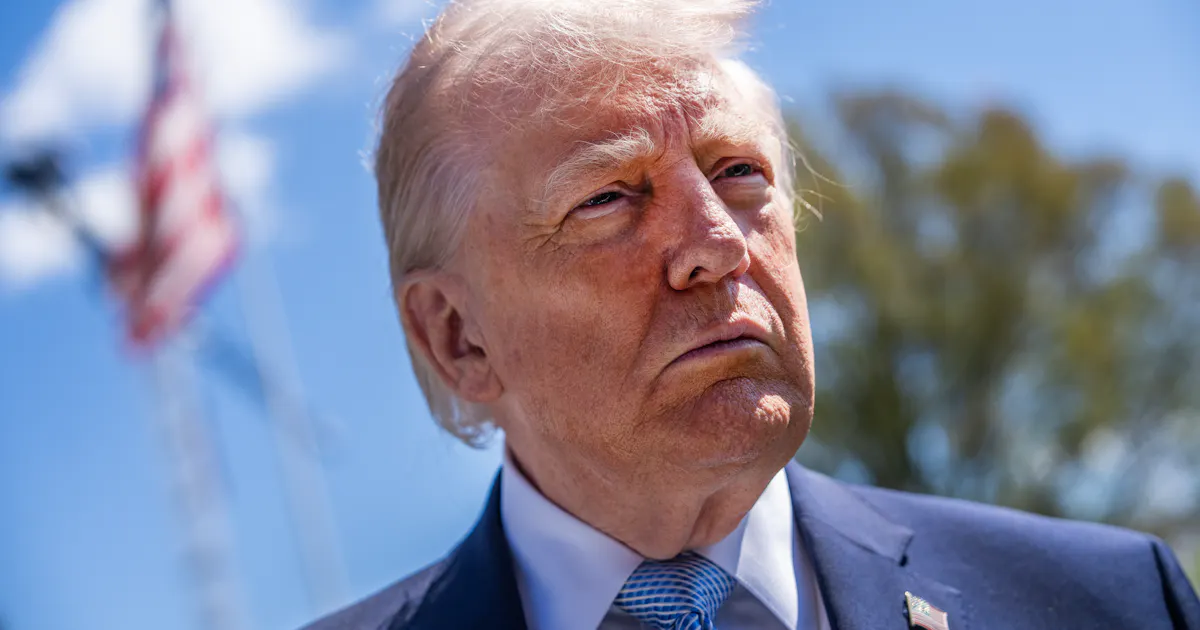
Cover image from newrepublic.com, which was analyzed for this article
Trump's Iran ceasefire and war strategy have split the Republican base and MAGA insiders, with some decrying weakness and others dismissing critics as idiotic. Figures like Mark Levin push for escalation while others value leverage shown. The rift underscores party tensions amid the conflict.
PoliticalOS
Saturday, April 11, 2026 — Politics
Trump's Iran operation and subsequent ceasefire have triggered genuine public criticism from prominent MAGA-aligned figures who see it as contradicting campaign promises, yet polling consistently shows the president's core supporters remain largely supportive. The episode reveals that MAGA has become more personality-driven than strictly ideological, setting up longer-term questions about the movement's direction once Trump leaves the scene. Readers should weigh vocal online dissent against broader Republican sentiment and the still-unfolding military and diplomatic realities on the ground.
What outlets missed
Most coverage omitted the full sequence of war triggers, including the February 28, 2026, U.S.-Israeli strikes that killed Ayatollah Khamenei during nuclear escalation and domestic Iranian protests. Outlets downplayed or failed to attribute precise casualty figures, nuclear setback estimates and economic damage claims, many of which originate from unverified Pentagon or Iranian sources and have been revised downward in leaked assessments. Balanced polling data showing 84-93% approval among core MAGA voters was often minimized in favor of overall national disapproval numbers. The two-week ceasefire's fragility, ongoing Strait of Hormuz restrictions and parallel diplomatic talks in Islamabad received little sustained attention, leaving readers without a clear picture of the conflict's unresolved military and economic risks.
Trump Hits Back at Conservative Critics of Iran Campaign
President Donald Trump escalated his feud with several prominent voices on the right Thursday, firing off a lengthy Truth Social post that dismissed Tucker Carlson, Candace Owens, Marjorie Taylor Greene, Alex Jones, and Megyn Kelly as “stupid people” with “Low IQs” who say anything for publicity. The outburst came as the administration nears the end of military operations against Iran that began with precision strikes on nuclear facilities last June and culminated in the targeted killing of Ayatollah Ali Khamenei in February.
The exchange highlights real tensions inside the coalition that returned Trump to the White House. Yet the substance of the critics’ complaints often collides with the record. Those accusing the president of “TACO” – Trump Always Chickens Out – have to ignore the observable facts. In June 2025 American forces destroyed key Iranian nuclear infrastructure. Eight months later a U.S. strike eliminated the Islamic Republic’s supreme leader. A ceasefire is now in prospect. None of those steps matches the narrative of perpetual retreat.
Red State commentator Adam Turner noted the elementary logical failure in the “always” charge. If a pattern must occur invariably, two decisive military actions against a regime that has spent decades attacking American interests and sponsoring terrorism disprove the slogan. English retains meaning even in political combat.
Constitutional objections have also surfaced. Some critics contend Trump exceeded his authority by acting without fresh congressional approval. That argument runs into the text of the Constitution itself. Article II designates the president commander in chief of the armed forces. Congress holds the power to declare war, a authority it has not exercised for any conflict since World War II. Every modern president, Republican and Democratic alike, has ordered limited military action without prior legislative blessing. The Iran operation fits that long pattern rather than breaking it.
Interviews with former Trump White House officials reveal unease inside the administration about the president’s rhetorical approach. One described the 500-word Truth Social post as “fucking insane” and argued the White House should offer access and private persuasion rather than public denunciation. Another said outreach is occurring but that the instinct to attack first remains dominant. These insiders worry the spectacle of conservative-on-conservative combat distracts from the message that the regime threatening the Strait of Hormuz and funding attacks on U.S. troops has been materially weakened.
The episode occurs against a backdrop of economic strain. Gasoline prices have climbed and inflation remains sticky. Those pressures test any president’s support. Yet the alternative to confronting Iran was continued enrichment of uranium, ballistic missile development, and proxy wars that have already cost American lives. Supporters of the operation point to the tangible reduction in Iranian capabilities. Skeptics on the right, including Carlson, have long warned against entanglement in Middle Eastern conflicts. Their position reflects a consistent skepticism about nation-building and open-ended commitments. Whether that skepticism should extend to direct strikes on nuclear sites and terrorist leaders remains the core disagreement.
Focus groups conducted by anti-Trump conservatives at The Bulwark captured another dimension. Some 2020 and 2024 Trump voters expressed fatigue and disappointment. They worry the administration has lost focus on domestic priorities. Should those voters sit out the 2026 midterms, Republican prospects would suffer. That possibility gives the intra-MAGA dispute larger stakes. A movement built on outsider skepticism of permanent Washington now debates whether its leader has become too comfortable with military tools long favored by the foreign-policy establishment.
Trump’s defenders note that the same voices now criticizing him cheered earlier tough measures against Iran during his first term. The shift suggests opportunism as much as principle. Owens responded to the president’s post by suggesting it was time to “put Grandpa up in a home,” a remark that traded on age rather than engaging the decision to eliminate a theocratic dictator responsible for decades of hostage-taking, suicide bombings, and nuclear blackmail.
The right has always contained competing impulses: realism about power politics, wariness of empire, and insistence on constitutional limits. Those tensions predate Trump. What distinguishes the current moment is the speed with which former loyalists have moved to distance themselves once polls softened and domestic discontent grew. Political incentives reward differentiation. Whether those incentives serve the country’s longer-term interest in deterring radical Islamists is another question.
As the ceasefire takes shape, the administration must weigh how much further to press its advantage. Iran’s nuclear program has been set back. Its terror proxies have lost their primary patron. Yet regime remnants still control missiles and could lash out. Deciding when to stop is the hardest part of any military campaign, a reality that has humbled strategists across generations.
The public argument on the right will not resolve those trade-offs. It will, however, test whether a political movement forged in opposition can maintain cohesion when it holds power. Trump’s blunt style has always been part of his appeal to voters tired of careful language. That style now collides with equally ambitious personalities who sense an opening. The coming weeks will show whether the coalition that won two presidential elections can manage success or will fracture under its weight. The Iranian regime’s diminished capacity is a concrete gain. Whether that gain survives domestic political erosion remains the unsettled question.
You just read Conservative's take. Want to read what actually happened?