
MAGA Splits Over Trump's Iran Strikes and Ceasefire
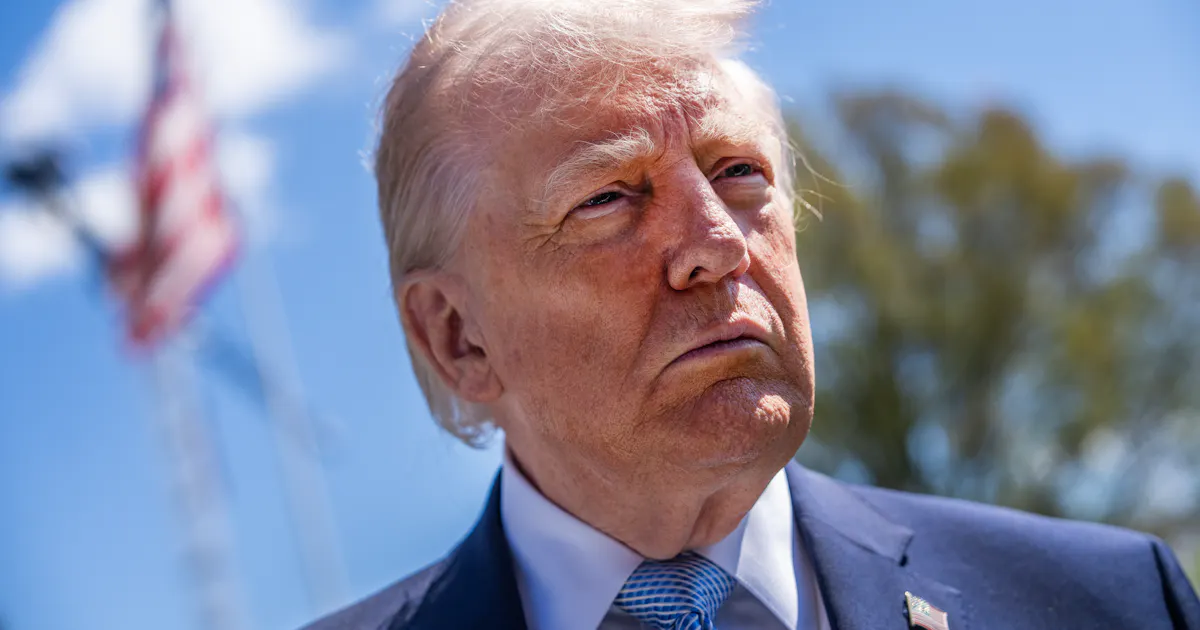
Cover image from newrepublic.com, which was analyzed for this article
Trump's Iran ceasefire and war strategy have split the Republican base and MAGA insiders, with some decrying weakness and others dismissing critics as idiotic. Figures like Mark Levin push for escalation while others value leverage shown. The rift underscores party tensions amid the conflict.
PoliticalOS
Saturday, April 11, 2026 — Politics
Trump's Iran operation and subsequent ceasefire have triggered genuine public criticism from prominent MAGA-aligned figures who see it as contradicting campaign promises, yet polling consistently shows the president's core supporters remain largely supportive. The episode reveals that MAGA has become more personality-driven than strictly ideological, setting up longer-term questions about the movement's direction once Trump leaves the scene. Readers should weigh vocal online dissent against broader Republican sentiment and the still-unfolding military and diplomatic realities on the ground.
What outlets missed
Most coverage omitted the full sequence of war triggers, including the February 28, 2026, U.S.-Israeli strikes that killed Ayatollah Khamenei during nuclear escalation and domestic Iranian protests. Outlets downplayed or failed to attribute precise casualty figures, nuclear setback estimates and economic damage claims, many of which originate from unverified Pentagon or Iranian sources and have been revised downward in leaked assessments. Balanced polling data showing 84-93% approval among core MAGA voters was often minimized in favor of overall national disapproval numbers. The two-week ceasefire's fragility, ongoing Strait of Hormuz restrictions and parallel diplomatic talks in Islamabad received little sustained attention, leaving readers without a clear picture of the conflict's unresolved military and economic risks.
Trump's Rage at Tucker Carlson and MAGA Critics Signals Weakness in Iran War Fight
President Donald Trump is turning his famous temper inward, launching a public meltdown against some of the biggest names in conservative media and politics who have dared to question his administration's war with Iran. In a lengthy Truth Social post Thursday, the president singled out Tucker Carlson, Candace Owens, Marjorie Taylor Greene, and Alex Jones, branding them "low IQs" and "stupid people" whose own families know it. He called them "NUT JOBS" and "TROUBLEMAKERS" chasing "free and cheap publicity," claiming they have opposed him for years.
The attacks landed as the United States moves toward a ceasefire in the Iran conflict, following American strikes on Iranian nuclear sites last June and the targeted killing of Ayatollah Ali Khamenei in February. What was sold as decisive action to protect American interests has instead delivered soaring gas prices, stubborn inflation, and a growing sense that the president is losing touch with the everyday concerns of his own voters. Far from projecting strength, Trump's outburst has exposed real fractures in the MAGA movement he once dominated.
Owens brushed it off with characteristic sharpness, replying that it "may be time to put Grandpa up in a home." The jab touched on whispers even among some Trump loyalists that the president appears increasingly detached. Carlson, who built a massive audience by relentlessly questioning forever wars and elite foreign policy blunders, has apparently struck a nerve. His skepticism about pouring resources into another Middle East fight while American cities crumble and borders remain wide open echoes what millions of Trump supporters believed they voted for in 2016 and 2024: an America First agenda that puts our own people before distant conflicts.
This is not the unified right of eight years ago. Back then, Trump steamrolled opponents and kept his coalition in line. Today he looks weaker, and ambitious voices on the right smell opportunity. Greene, once among the loudest MAGA voices in Congress and known for her willingness to challenge establishment narratives, has broken ranks. Jones and Owens have likewise carved out large followings by refusing to simply echo whatever comes out of the White House. Their criticism of the Iran campaign, and in some cases questions about the president's judgment, represents something new: a post-Trump right that is no longer willing to fall in line when instincts tell them the policy is wrong.
Insiders in Trump's orbit are alarmed. Multiple former senior White House officials told the Washington Examiner that the strategy of blanket attack is backfiring. One described the president's nearly 500-word tirade as "f***ing insane." Rather than trying to crush dissent, they argue, the administration should be co-opting these influential figures. "Megyn Kelly is a great example of someone that's super winnable," one official said. "Just offer her guests. Give her access. Play the game. Tucker, same thing. Just call him." Another confirmed outreach attempts are happening but appear secondary to the public broadsides. The result is elevated criticism instead of contained disagreement.
The pro-Trump commentariat has rushed to defend the president, dismissing objections to the Iran operation as idiotic or pedantic. Some point out that Trump did not "always chicken out," citing the earlier strikes and the elimination of Khamenei as proof of resolve. Others insist the Constitution grants the commander-in-chief wide latitude to use force without prior congressional approval. These arguments miss the deeper frustration. Many ordinary conservatives do not object to eliminating threats but wonder why this fight has contributed to higher prices at the pump and eroded confidence at home. They remember Trump's past warnings against nation-building and open-ended commitments, and they notice the gap between those promises and the current reality.
That gap is showing up in the electorate. A focus group of Trump voters from 2020 and 2024, convened by The Bulwark, revealed a base that is not just disappointed but sad and exhausted. Participants voiced despair over the administration's direction, particularly its foreign entanglements at a time when domestic problems feel overwhelming. Political analyst Amy Walter noted that Republican losses in the 2026 midterms could come less from Democratic gains than from discouraged Trump supporters simply staying home. When your own voters feel the movement has drifted from its core pledges, attacks on popular critics only deepen the alienation.
Trump has always relished fighting enemies. But when the targets are prominent conservatives who built their brands alongside his rise, it suggests insecurity rather than strength. Carlson's audience remains enormous because he articulates a coherent vision: secure the border, revive American manufacturing, avoid unnecessary wars that enrich contractors while draining the country's wealth and attention. Questioning endless conflict in the Middle East is not disloyalty. It is consistent with the skepticism that propelled Trump to the presidency in the first place.
The president may believe lashing out will intimidate critics into silence. The early evidence suggests the opposite. Owens, Carlson, Greene, and Jones are not fading away. Their willingness to speak plainly about the costs of this conflict has resonated because many Americans sense their own struggles are being ignored in favor of foreign drama. Gas prices do not drop because we bomb another regime. Inflation does not ease because Washington scores a tactical victory overseas. The real test for Trump is whether he can deliver tangible improvements for working families here at home, not whether he can bully former allies into pretending everything is fine.
This internal war within MAGA is only beginning. Trump built a movement on the idea that the permanent bureaucracy and both parties had failed everyday Americans. Now parts of that movement are applying the same standard to him. The coming months will show whether the president can adapt and reconnect with his base or whether the fractures visible this week widen into something that reshapes the right for years to come. The critics he dismissed as low-IQ troublemakers may yet prove they understood the mood of the country better than the man who once promised to put it first.
You just read America First's take. Want to read what actually happened?