
MAGA Splits Over Trump's Iran Strikes and Ceasefire
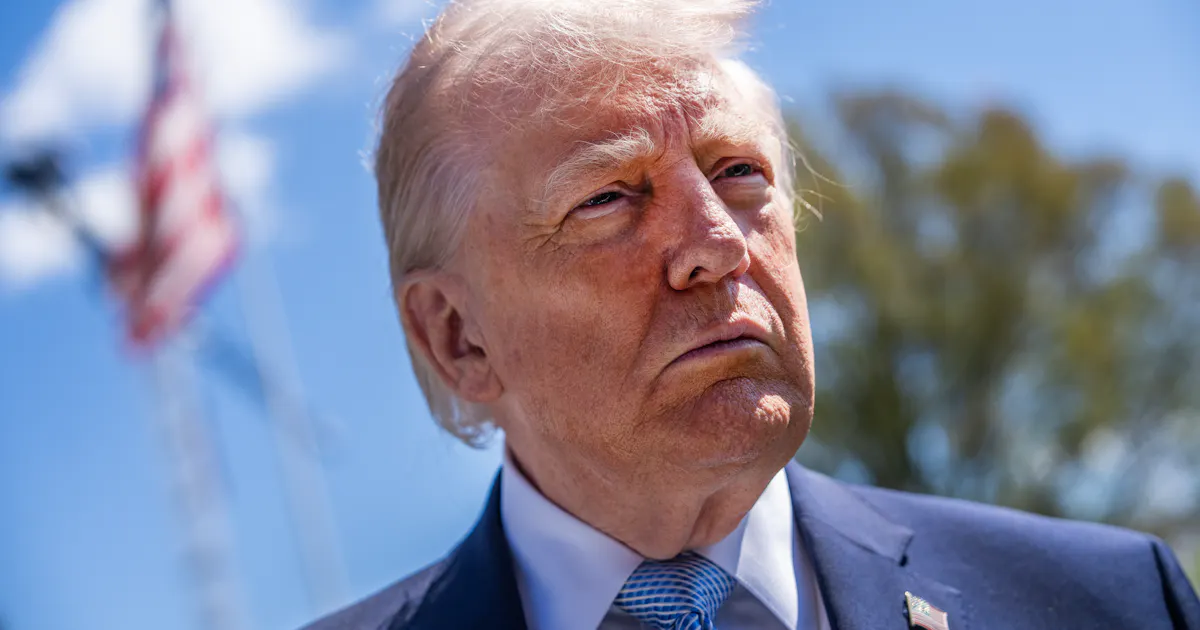
Cover image from newrepublic.com, which was analyzed for this article
Trump's Iran ceasefire and war strategy have split the Republican base and MAGA insiders, with some decrying weakness and others dismissing critics as idiotic. Figures like Mark Levin push for escalation while others value leverage shown. The rift underscores party tensions amid the conflict.
PoliticalOS
Saturday, April 11, 2026 — Politics
Trump's Iran operation and subsequent ceasefire have triggered genuine public criticism from prominent MAGA-aligned figures who see it as contradicting campaign promises, yet polling consistently shows the president's core supporters remain largely supportive. The episode reveals that MAGA has become more personality-driven than strictly ideological, setting up longer-term questions about the movement's direction once Trump leaves the scene. Readers should weigh vocal online dissent against broader Republican sentiment and the still-unfolding military and diplomatic realities on the ground.
What outlets missed
Most coverage omitted the full sequence of war triggers, including the February 28, 2026, U.S.-Israeli strikes that killed Ayatollah Khamenei during nuclear escalation and domestic Iranian protests. Outlets downplayed or failed to attribute precise casualty figures, nuclear setback estimates and economic damage claims, many of which originate from unverified Pentagon or Iranian sources and have been revised downward in leaked assessments. Balanced polling data showing 84-93% approval among core MAGA voters was often minimized in favor of overall national disapproval numbers. The two-week ceasefire's fragility, ongoing Strait of Hormuz restrictions and parallel diplomatic talks in Islamabad received little sustained attention, leaving readers without a clear picture of the conflict's unresolved military and economic risks.
Trump's Attacks on MAGA Critics Expose Cracks in a Movement Built on Loyalty
President Donald Trump escalated a growing rift within his own political base Thursday by unleashing a lengthy Truth Social attack on prominent conservative voices who have criticized his administration's Iran policy, calling them "low IQ" "nut jobs" driven by a hunger for attention. The targets included Tucker Carlson, Candace Owens, Marjorie Taylor Greene, and Alex Jones, figures who once formed the core of his media and political ecosystem. The post marked a striking turn: even as the United States moves toward closing the book on its military confrontation with Iran, the internal conservative debate over that conflict has become a proxy for deeper questions about Trump's leadership, mental sharpness, and the durability of the movement that propelled him to power.
The immediate trigger was criticism of Trump's decision to accept a ceasefire with Iran after earlier aggressive actions. In June 2025, the United States struck Iranian nuclear sites. This past February, American forces killed Ayatollah Ali Khamenei. Those moves drew praise from hawks. Yet the subsequent de-escalation has been seized upon by isolationist voices on the right as evidence of inconsistency. Critics have mocked the president with the acronym TACO, for "Trump Always Chickens Out," a line of attack that pro-Trump commentators at outlets like RedState have dismissed as semantically absurd given the record of strikes and assassinations. Others have raised constitutional objections, arguing that sustained military action without explicit congressional approval stretches the president's authority as commander in chief. Defenders counter that the Constitution grants the executive broad latitude over the use of force, with Congress's formal power to declare war rarely invoked in modern conflicts.
Trump's response went beyond policy disagreement. In a nearly 500-word post, he accused the critics of having "been fighting me for years" and dismissed them as "stupid people" whose own families recognize their limitations. Owens shot back swiftly on social media: "It may be time to put Grandpa up in a home." The exchange has reverberated across right-wing media, with some Trump-world veterans expressing private alarm. Two former senior White House officials told the Washington Examiner that the strategy of outright attack risks amplifying dissent rather than quelling it. One described the Truth Social post as "f***ing insane" and suggested a more pragmatic approach: offering access, booking high-profile guests for shows like Megyn Kelly's, or simply picking up the phone to speak with Carlson. "Everyone's winnable," the official argued. A second former official said outreach efforts are underway but appear secondary to the public broadsides.
The infighting arrives at a precarious moment for the administration. Gas prices have spiked amid the Middle East turmoil. Inflation remains sticky. Public polling and private focus groups suggest that even some voters who backed Trump in both 2020 and 2024 are experiencing buyer's remorse. A recent focus group conducted by Sarah Longwell of The Bulwark captured a slice of this discontent: Trump voters expressing a mixture of sadness and anger at the direction of the administration. As Cook Political Report editor-in-chief Amy Walter noted on the podcast, if Republican voters grow demoralized enough to sit out the 2026 midterms, the result could be a meaningful Democratic wave regardless of whether new voters swing toward the opposition.
This is not the MAGA movement of 2016 or even 2024. Then, loyalty to Trump appeared ironclad and opposition from within the right was marginal. Today, the president looks vulnerable, and ambitious figures appear to be positioning themselves for what they see as the post-Trump future. Greene, elected in 2020 as an unapologetic acolyte of the former president, has increasingly charted her own path, often laced with conspiracy theories that once seemed fringe even within MAGA circles. Carlson has leaned into an isolationist critique that resonates with a segment of the base wary of endless foreign entanglements. Owens and Jones, each with large followings, have shown a willingness to question not just policy but the president's grip on reality.
The New Republic's assessment that a "MAGA civil war is just getting started" feels increasingly plausible. What began as disagreement over Iran has metastasized into a contest over the soul and direction of the American right. Trump retains formidable power, including the ability to command media attention and primary recalcitrant lawmakers. Yet the willingness of onetime loyalists to risk his wrath suggests they believe the long-term incentives have shifted. In their view, tying oneself too closely to a president beset by inflation, energy costs, and doubts about his stability may be a political liability rather than an asset.
For now, the White House shows little sign of pivoting toward reconciliation. The instinct to hit back remains dominant. But the fractures are visible: in the leaked frustration of former aides, in the focus-group despair of former supporters, and in the growing willingness of right-wing personalities to treat Trump not as an untouchable leader but as a flawed politician whose choices can be debated, mocked, and potentially surpassed. The Iran conflict may be winding down. The battle for the future of MAGA, by contrast, appears only to be beginning.
You just read Liberal's take. Want to read what actually happened?