
MAGA Splits Over Trump's Iran Strikes and Ceasefire
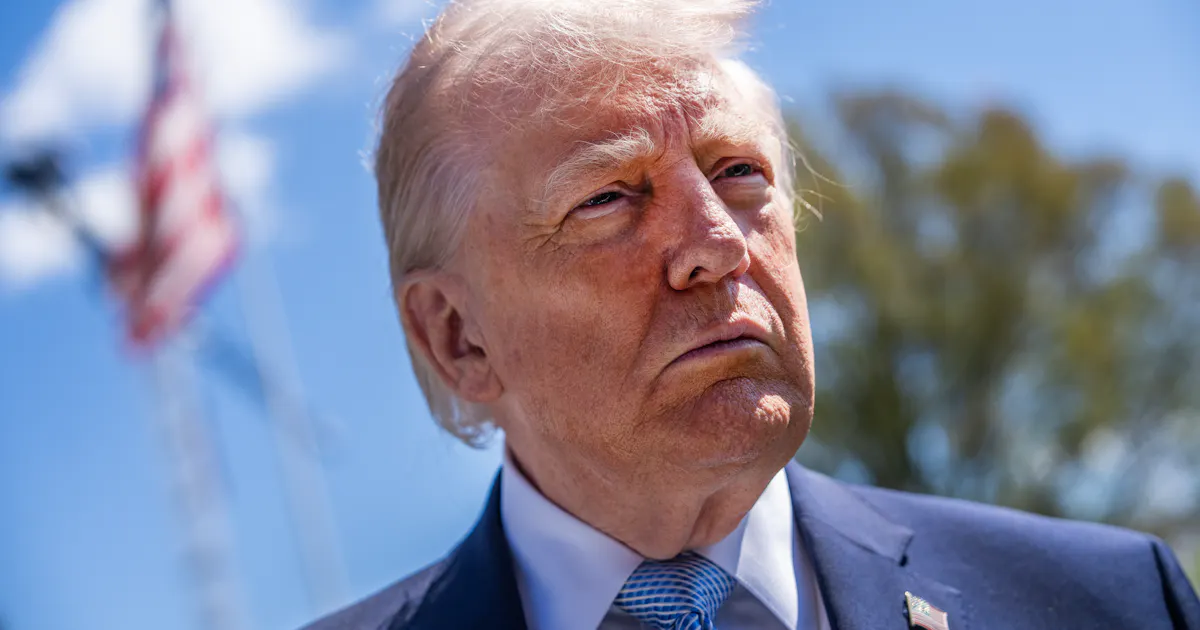
Cover image from newrepublic.com, which was analyzed for this article
Trump's Iran ceasefire and war strategy have split the Republican base and MAGA insiders, with some decrying weakness and others dismissing critics as idiotic. Figures like Mark Levin push for escalation while others value leverage shown. The rift underscores party tensions amid the conflict.
PoliticalOS
Saturday, April 11, 2026 — Politics
Trump's Iran operation and subsequent ceasefire have triggered genuine public criticism from prominent MAGA-aligned figures who see it as contradicting campaign promises, yet polling consistently shows the president's core supporters remain largely supportive. The episode reveals that MAGA has become more personality-driven than strictly ideological, setting up longer-term questions about the movement's direction once Trump leaves the scene. Readers should weigh vocal online dissent against broader Republican sentiment and the still-unfolding military and diplomatic realities on the ground.
What outlets missed
Most coverage omitted the full sequence of war triggers, including the February 28, 2026, U.S.-Israeli strikes that killed Ayatollah Khamenei during nuclear escalation and domestic Iranian protests. Outlets downplayed or failed to attribute precise casualty figures, nuclear setback estimates and economic damage claims, many of which originate from unverified Pentagon or Iranian sources and have been revised downward in leaked assessments. Balanced polling data showing 84-93% approval among core MAGA voters was often minimized in favor of overall national disapproval numbers. The two-week ceasefire's fragility, ongoing Strait of Hormuz restrictions and parallel diplomatic talks in Islamabad received little sustained attention, leaving readers without a clear picture of the conflict's unresolved military and economic risks.
Trump's MAGA Coalition Fractures Over Iran War as He Lashes Out at Once Loyal Voices
President Donald Trump is confronting open rebellion from within his own political base as prominent conservative influencers and former allies sharply criticize his administration's military campaign against Iran, exposing deep divisions in the MAGA movement at a moment of economic strain and questions about the president's grip on reality. The escalating feud, which boiled over Thursday with a lengthy Truth Social tirade from Trump, comes as the United States appears to be winding down its direct involvement in the conflict but faces lingering fallout including elevated gas prices, persistent inflation, and a polarized public.
In an unusually long post, Trump targeted figures including Rep. Marjorie Taylor Greene, Candace Owens, Tucker Carlson, Alex Jones, and Megyn Kelly, dismissing them as "NUT JOBS, TROUBLEMAKERS" driven by a hunger for "free and cheap publicity." He claimed they share "Low IQs" and are "stupid people" whose own families recognize their limitations. The attack was not isolated. Trump and his inner circle have intensified efforts to marginalize these voices, viewing their skepticism toward the Iran operation as disloyalty after years of alignment with his brand of politics.
The criticism from the right has been pointed. Owens, responding directly to Trump's outburst, suggested it might be "time to put Grandpa up in a home," a remark that underscores growing concerns about the president's mental acuity. Carlson, a foundational figure in shaping MAGA media narratives, has questioned the wisdom and necessity of the escalation. Greene, once among the most vocal defenders of Trump in Congress and known for embracing conspiracy theories ranging from antisemitic "Jewish space lasers" to other fringe claims, has broken ranks in recent weeks. Jones, the Infowars founder long associated with extreme rhetoric, has also voiced reservations.
This is not the unified front of 2016 or even 2024. Trump enters this period politically diminished, according to multiple accounts from within conservative circles. High energy costs and inflation have eroded support even among his core voters, while the war itself has drawn accusations of constitutional overreach. Critics on the right, echoing some legal scholars, argue that launching strikes on Iranian nuclear sites in June 2025, assassinating Ayatollah Ali Khamenei in February 2026, and sustaining operations without formal congressional authorization violates the division of war powers. The president maintains he is operating within his authority as commander in chief, a position defended by loyalists who point to precedents set by previous administrations. Yet even some former senior Trump White House officials are alarmed by the current approach.
Interviews with Trump world insiders reveal a split over tactics. One former official described Trump's 500-word Truth Social attack as "f***ing insane," arguing it unnecessarily amplifies dissent rather than neutralizing it. "The strategy right now is just basically attack," the official said. "Instead of trying to win them over." The source suggested practical alternatives, such as offering access or guests to figures like Kelly, who they described as "super winnable," or simply picking up the phone to speak with Carlson. A second former official indicated that some outreach is occurring but acknowledged the public broadsides are complicating efforts to close ranks as the conflict nears its end.
These fractures matter because they reflect a broader erosion of enthusiasm on the right. A focus group conducted with 2020 and 2024 Trump voters who have grown disillusioned with his administration captured a sense of despair that could suppress Republican turnout in the 2026 midterms. Participants voiced frustration with the direction of the country, the human and financial costs of the Iran campaign, and what they see as chaotic governance. Political analysts suggest that if this "sad and mad" segment of the GOP base stays home, it could open the door for Democratic gains even without major shifts in voter registration.
Pro-Trump commentators have pushed back hard, labeling the dissent "insanely idiotic." They defend the strikes on Iranian nuclear facilities and the elimination of Khamenei as decisive actions against a dangerous regime, dismissing complaints about "Trump always chickens out" as bad-faith word games. After all, they note, Trump authorized significant military action before accepting a ceasefire. Yet this defense has done little to quiet the chorus of former allies who sense opportunity in Trump's vulnerability. Figures like Greene, Carlson, Owens, and Jones command large audiences and have built personal brands that no longer depend entirely on fealty to the president. By turning on him now, they may be positioning themselves for influence in a post-Trump MAGA landscape.
The infighting carries risks for the administration as it tries to declare a successful conclusion to the Iran operation. Rather than projecting strength, the public spats highlight disarray. Trump's history of attacking critics regardless of party is well established, but doing so against voices who helped build his movement carries a different weight. It suggests a president who feels besieged not only by traditional opponents but by the very ecosystem that once shielded him.
As gas prices remain elevated and voters continue to feel the pinch of inflation, the MAGA civil war is likely to intensify. What began as policy disagreements over Iran has evolved into a contest for the future of the American right. Trump is betting that his base will ultimately side with him against the "low IQ" critics. A growing number of influential voices on the right are betting the opposite, and the coming months will reveal whether this fracture deepens into a lasting split or whether the president can once again bend the movement to his will. For now, the spectacle of former loyalists trading barbs with the man they once celebrated reveals a political coalition under significant strain.
You just read Progressive's take. Want to read what actually happened?