
Trump Attacks Former MAGA Allies Over Iran Policy Criticism
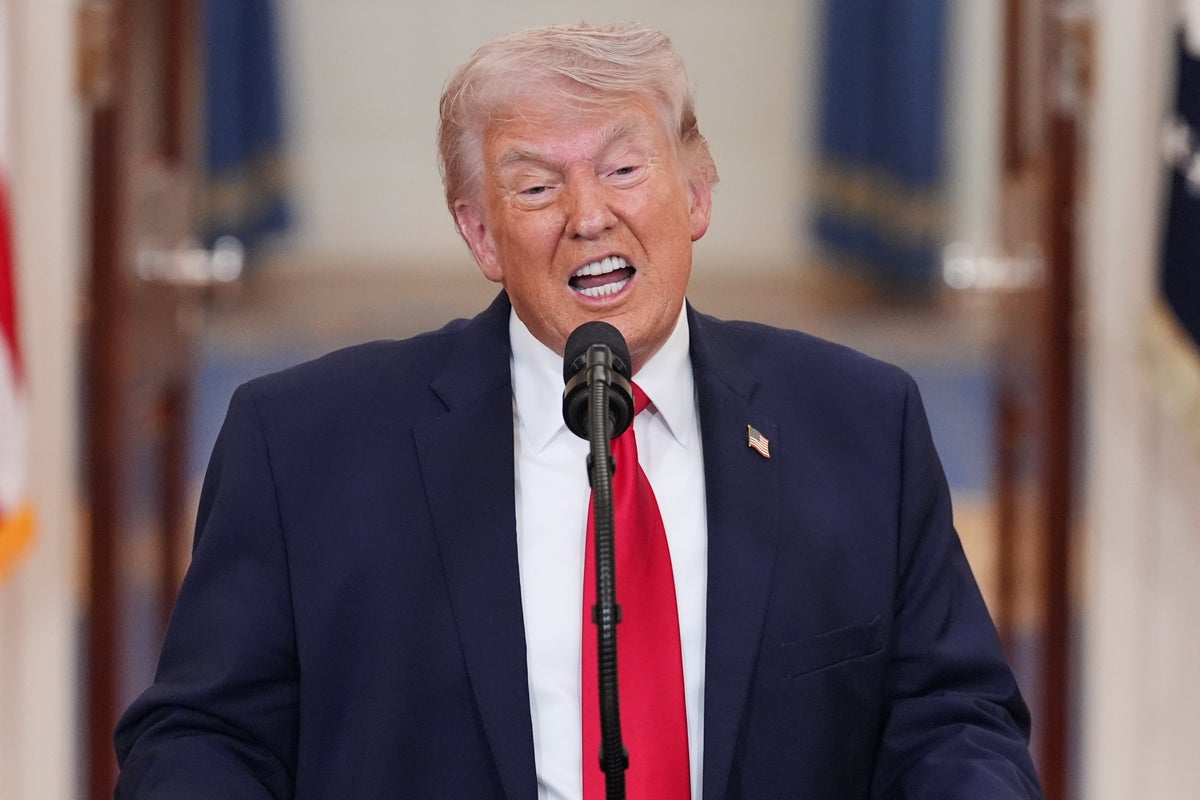
Cover image from independent.co.uk, which was analyzed for this article
Rep. Marjorie Taylor Greene publicly attacked Trump and Netanyahu on Iran strategy, exposing MAGA fractures, while Trump lashed out at critics like Tucker Carlson and MTG. The rifts highlight tensions within Republicans over war escalation and future direction. Outlets note growing disillusionment among Trump supporters.
PoliticalOS
Friday, April 10, 2026 — Politics
The public break between Trump and former allies like Tucker Carlson, Candace Owens and Marjorie Taylor Greene reveals genuine tensions inside the Republican coalition over the use of military force and adherence to campaign promises on avoiding new wars. Trump retains strong polling support among Republican voters and frames the critics as marginal, yet the episode—coming after a short conflict that ended in ceasefire—raises questions about the durability of the MAGA coalition on foreign policy. The most important reality is that these divisions exist at the elite level and have not yet translated into measurable erosion of Trump's base, but they signal competing visions for the party's future direction.
What outlets missed
Most coverage omitted that Marjorie Taylor Greene resigned from Congress on January 5, 2026, and was speaking as a private citizen rather than a current lawmaker with direct influence. Outlets underplayed the specific sequence of the Iran conflict, including its start after Iranian missile strikes on Israel and the assassination of Supreme Leader Khamenei, followed by a ceasefire agreement on April 8 just before Trump's post. Several reports treated critic statements such as Carlson calling threats "evil" or Owens labeling the administration "satanic" as fully verified without noting that exact phrasing could not be located in public records or primary sources. The mutual escalation was often framed as one-sided, with less attention to Owens and Jones explicitly calling for Trump's removal before his response. Finally, coverage gave limited context on the Strait of Hormuz shutdown as the immediate trigger for Trump's deadlines and threats, instead emphasizing personal insults over the underlying policy dispute.
Divisions within the Republican Party over military involvement in Iran have moved from private grumbling to open rupture, with President Trump directly confronting several high-profile conservatives who helped build his political movement. The public exchange, unfolding on social media in early April 2026, underscores a central tension: whether Trump's approach to the conflict aligns with the "America First" stance that defined his 2024 campaign or represents a departure that risks alienating core supporters.
Trump posted a 482-word statement on Truth Social on April 9 criticizing Tucker Carlson, Megyn Kelly, Candace Owens and Alex Jones. According to the post, reviewed by multiple outlets including The New York Times and NBC News, Trump described the four as having "Low IQs," called them "stupid people" and "losers just trying to latch on to MAGA," and suggested Carlson "should see a good psychiatrist." He revived old grievances against Kelly from the 2016 campaign and contrasted Owens unfavorably with Brigitte Macron, the first lady of France, while criticizing Jones over his past statements on the Sandy Hook shooting. Trump also targeted former Rep. Marjorie Taylor Greene, referring to her as "Marjorie 'Traitor' Brown" and "nasty."
The criticism came after weeks of commentary from those figures opposing Trump's threats toward Iran, including an Easter message warning that Iran would be "living in Hell" if it failed to reopen the Strait of Hormuz, a key shipping route closed during the conflict. Carlson described elements of the rhetoric as "evil" and urged administration officials to resist escalation, according to reports from The New York Times and The Independent. Owens questioned Trump's judgment in response to the post, writing on X that "It may be time to put Grandpa up in a home," while Jones expressed sadness over what he called a "total disaster" and suggested Trump had changed. Greene, who left Congress in January 2026, stated on social media that Trump had "gone mad as he wages war against Iran" and had broken campaign promises. She added that she had worked alongside the others to elect Trump but that "We NEVER changed, Trump did."
The conflict traces to U.S. strikes and involvement in the Israel-Iran confrontation that began in February 2026 following Iranian missile strikes on Israel and the assassination of Supreme Leader Khamenei. Trump threatened further action tied to Iran's nuclear program and the Strait of Hormuz before a two-week ceasefire was announced on April 8. A Quinnipiac poll from late March showed 86 percent of Republican voters supporting the military action at that stage, a figure Trump cited in his post to argue broad backing among his voters. He wrote that he could win the critics over "anytime I want to" but was focused on "World and Country Affairs."
Greene's criticism extended beyond Trump. In a March CNN interview, she described the Iran policy as a "complete betrayal of campaign promises" and questioned aspects of its execution, though she is no longer a sitting member of Congress. The episode also included Trump's separate criticism of The Wall Street Journal's editorial board for calling his victory declaration in Iran "premature."
Reactions varied. Owens and Jones had previously called for Trump's removal from office via the 25th Amendment, according to accounts in The New York Times and NBC News. Carlson and Kelly did not immediately comment after the post. The exchanges highlight unresolved questions about the Republican Party's foreign policy direction after a campaign that emphasized avoiding new wars. Trump insisted the critics do not represent MAGA, which he defined as "about WINNING and STRENGTH in not allowing Iran to have Nuclear Weapons." Whether the rift remains confined to media personalities and former allies or spreads to elected officials and voters will shape the party's path through the remainder of his term.
More in Politics

Federal Agents Search Omar Home in Ongoing Immigration Probe
Homeland Security agents searched the Minnesota Democrat's DC residence in a criminal probe, prompting accusations of political intimidation from Omar and Democratic leaders. Coverage spans left-leaning outlets like NPR, BBC, and The Guardian alongside right-leaning criticism from The Federalist and Daily Wire.

Trump Diesel Import Plan Draws Pushback Over Russia Ties
The weekend agreement drew bipartisan congressional pushback and criticism from Ukraine's Zelenskyy, with analysts downplaying US fuel price impacts. Right-leaning outlets like National Review, Dispatch, and Washington Examiner questioned its legality and effectiveness.

Independents Test Voter Appetite for Middle Ground in 2026 Midterms
Nearly 200 independents are running in competitive races as voters weigh ballot measures on housing costs in states like Massachusetts. Left-leaning coverage from NYT, NPR, and Guardian highlights turnout and key races while right outlets focus on GOP strategy.
Trump Rallies in Alaska, Ohio to Bolster GOP Senate Candidates
The president rallied in Wasilla for Sen. Dan Sullivan and faced empty seats at an Ohio event amid midterm concerns. Outlets across the spectrum covered the trips as signals of GOP vulnerability weeks before Election Day.
The Compass
You just read five takes on one story.
What's your take? Find your political shape in a few minutes.
Take the test