
Cruise ship hantavirus cases prompt quarantines but low public risk
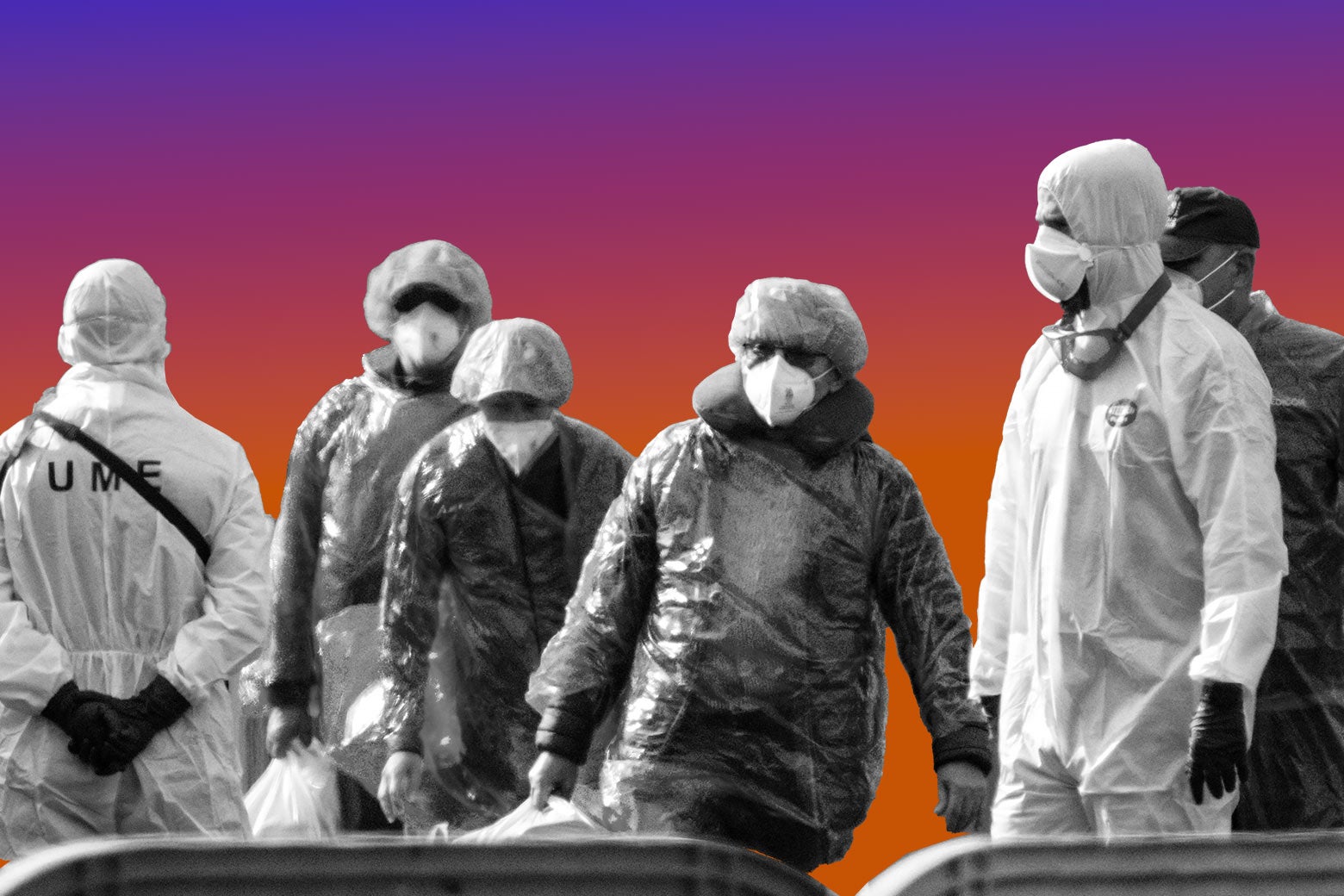
Cover image from slate.com, which was analyzed for this article
Hantavirus cases among cruise ship passengers reach 11, with one critical after initial misdiagnosis as anxiety. US returnees quarantined in Nebraska, raising public health alerts. Experts calm fears but monitor closely.
PoliticalOS
Tuesday, May 12, 2026 — Business
The outbreak remains limited to ship-linked individuals with no evidence of wider spread. Careful monitoring of exposed passengers continues, yet health authorities across agencies consistently rate the risk to the general public as very low.
What outlets missed
Most coverage omitted the ship’s full April 2026 departure from Ushuaia and possible rodent exposure on land before boarding. Few outlets clarified that the single critical case cited in some reports could not be independently verified after the original source retracted its account of misdiagnosis. The precise split of U.S. passengers between Nebraska and Atlanta facilities, along with daily reassessment protocols rather than automatic 42-day confinement, received inconsistent detail across reports.
US Officials Downplay Hantavirus Risks While Cruise Passengers Face Uneven Care
Eighteen American passengers from the virus-stricken MV Hondius cruise ship are now under close observation at specialized medical facilities in Nebraska and Atlanta after possible exposure to the Andes strain of hantavirus. Health authorities insist the threat to the broader public stays very low, yet the handling of the outbreak has exposed gaps in initial medical responses and the challenges of containing a virus that can spread between people in close quarters.
The Dutch-operated vessel, carrying roughly 150 passengers, had been traveling from Spain’s Canary Islands toward the Netherlands when the outbreak emerged. Nine confirmed cases and three deaths have been linked to the ship so far, according to the World Health Organization. US officials moved quickly to evacuate the Americans, placing 16 in the national quarantine unit in Nebraska and routing two others, including one with mild symptoms and that person’s partner, to Atlanta for monitoring. One passenger has tested positive without showing symptoms, while another developed mild illness.
Admiral Brian Christine of the Department of Health and Human Services stressed that the Andes variant does not transmit easily outside prolonged close contact with symptomatic individuals. “The risk of hantavirus to the general public remains very, very low,” he said. Experts note that most hantavirus strains carried by rodents do not pass person to person, though this particular strain has shown that capability on the confined ship.
The situation has not unfolded without friction. A French passenger evacuated to Paris initially had her flu-like symptoms dismissed as anxiety or stress by doctors before her condition deteriorated sharply, landing her in intensive care under a specialized infectious disease team. Spanish health officials later acknowledged the misstep, noting that her earlier coughing episode had seemed to resolve. Twelve hospital workers in the Netherlands were also placed in quarantine after handling blood and urine samples from a patient without full protective equipment.
WHO Director-General Tedros Adhanom Ghebreyesus said all 11 confirmed cases worldwide remain tied to the MV Hondius, with nine identified as the Andes strain. He added that governments have prevented wider spread so far, but the virus’s long incubation period means additional cases could still surface in coming weeks. The ship itself is returning to the Netherlands for cleaning and disinfection.
Passengers now in Nebraska are described by medical director Michael Wadman as being in good shape and spirits, though one positive case remains isolated in a biocontainment unit. US facilities have emphasized that the quarantine is precautionary and aimed at thorough assessment rather than treatment for most. Still, the episode underscores how quickly a contained outbreak on a luxury vessel can strain international coordination and reveal uneven frontline care.
Officials continue to urge calm, pointing to the virus’s limited transmissibility outside the ship environment. Yet the critical condition of at least one evacuated passenger and the quarantine of medical staff illustrate that even low-probability events demand rigorous protocols from the first sign of illness. As more passengers return home under monitoring, attention will focus on whether early dismissals and procedural lapses can be avoided in future responses.
You just read Progressive's take. Want to read what actually happened?
More in Business & Economy

Stocks Rise on Earnings as Home Sales Hit Low
Major indices closed mixed to higher, led by healthcare and defensive stocks, as companies like Eli Lilly and UnitedHealth reported strong results. Pending home sales hit record lows.

US Stocks Mixed as Tech Rebounds on AI Optimism
The Dow slipped slightly while the S&P 500 and Nasdaq rose, led by Nvidia, AMD, and Intel gains on renewed AI sector confidence after prior drops. Broader market volatility tied to earnings and data center demand.

Trump Unveils $8 Billion Diesel Relief for Farmers
The Agriculture Department launched the program to offset record diesel prices for farmers, framed as economic aid and a midterm pitch in Kansas amid ongoing inflation and energy cost pressures.

CPI Rises to 3.7 Percent as Energy Costs Climb Amid Iran Conflict
Hotter-than-expected CPI figures fueled rate hike fears and contributed to sharp declines in AI and tech stocks. Left and right economic commentary debates Trump policies versus Fed actions.
The Compass
You just read five takes on one story.
What's your take? Find your political shape in a few minutes.
Take the test