
Troops Dispute Hegseth Account of Deadly Kuwait Strike as Pentagon Tensions Rise

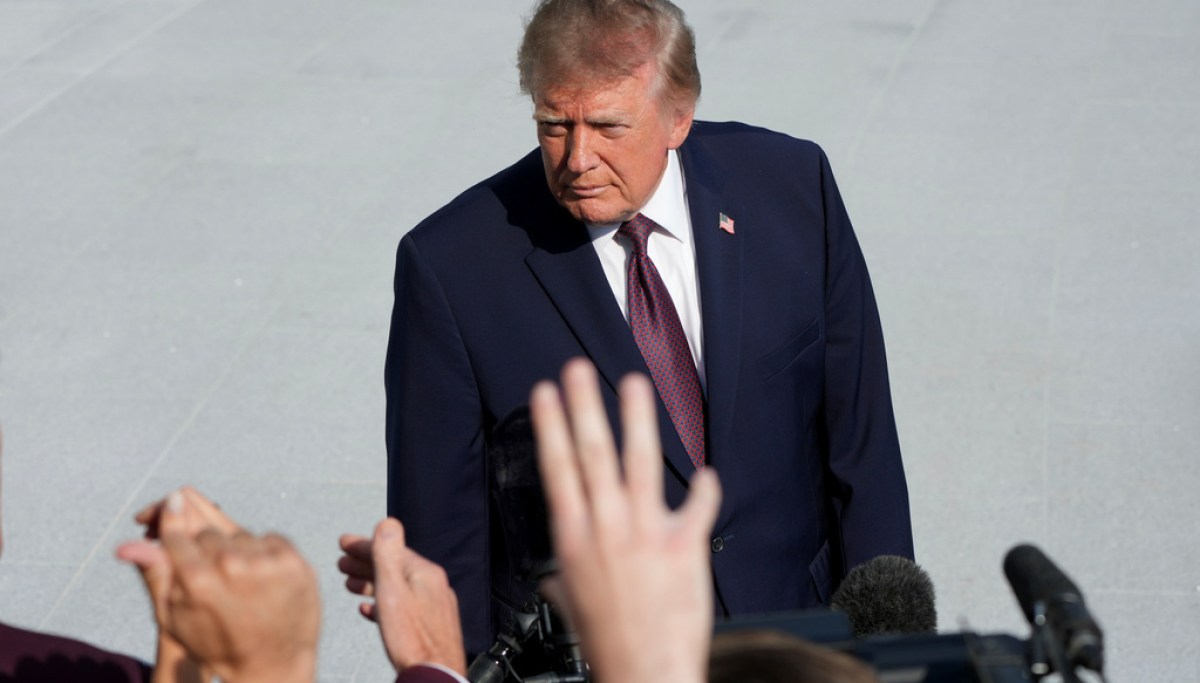
Cover image from rawstory.com, which was analyzed for this article
Defense Secretary nominee Pete Hegseth is accused by Army survivors of lying about a deadly Iranian attack that killed six, amid reports of him plotting against the Army Secretary. Troops dispute his account, fueling calls for his removal. The controversy erupts during the fragile ceasefire.
PoliticalOS
Thursday, April 9, 2026 — Politics
Survivors of the deadliest Iranian strike on U.S. forces in the recent conflict directly contradict the Pentagon's account of base fortifications and how the attack occurred, exposing a credibility gap at the highest levels of the Defense Department. This dispute coincides with unconfirmed reports of internal power struggles that the Pentagon denies, all while a tenuous ceasefire with Iran holds amid economic pressure from disrupted oil routes. The single most important reality is that six Americans died in an exposed position during a war the administration presented as successful; readers should weigh anonymous troop accounts against official statements rather than partisan narratives that fill gaps with speculation.
What outlets missed
Most outlets omitted that the struck site at Port of Shuaiba was a temporary, makeshift tactical operations center in a commercial shipping port, not a permanent hardened base, which explains the limited aerial defenses independent of any leadership failure. Coverage also downplayed the war's origin in U.S.-Israeli strikes that killed Iran's supreme leader and targeted nuclear sites, with Iranian retaliation following, providing essential context for the March 1 attack. Legal standards for dual-use infrastructure targeting under Additional Protocol I to the Geneva Conventions received almost no mention, even as Hegseth cited Iranian military use of power plants and bridges. Official Pentagon rationales for personnel changes, including alignment with the administration's strategic vision rather than personal paranoia, were minimized or ignored. Finally, varying casualty counts across sources—some verified reports list four deaths tied directly to the 103rd Sustainment Command—were rarely reconciled, leaving the scale of the 'deadliest strike' claim unexamined.
Six American service members are dead, more than 30 wounded, and the families left behind now face conflicting stories about how a known Iranian threat reached their position. Survivors of the March 1 strike at Kuwait's Port of Shuaiba say Defense Secretary Pete Hegseth's description of the attack as a lone "squirter" that slipped through fortified defenses does not match what they experienced. The dispute, first reported by CBS News, lands in the middle of a fragile two-week ceasefire between the United States and Iran, raising fresh questions about accountability, preparedness and leadership credibility at the Pentagon.
The soldiers, members of the Army's 103rd Sustainment Command speaking anonymously, told CBS the site was a makeshift tactical operations center in thin-walled tin buildings offering "none" in drone defense capability. One recalled receiving an all-clear only 30 minutes before the blast. "Painting a picture that 'one squeaked through' is a falsehood," an injured soldier said. "The unit was unprepared to provide any defense for itself. It was not a fortified position." Another added that troops had been moved closer to a "deeply unsafe area that was a known target" without clear justification. Images reviewed by CBS showed limited blast barricades. The strike marked the deadliest Iranian attack on U.S. forces in the opening five weeks of the joint U.S.-Israeli campaign that began Feb. 28 with strikes on Iranian nuclear and leadership targets.
Pentagon officials have pushed back. Spokesman Sean Parnell posted on X in March that "every possible measure has been taken to safeguard our troops—at every level" and described the facility as fortified with six-foot walls. Central Command initially reported five serious injuries; the full toll of six dead and dozens wounded with burns, shrapnel and brain trauma emerged later. A U.S. official told reporters last week the Pentagon had used outdated casualty figures in some statements, though the department has not confirmed any deliberate undercount.
The controversy overlaps with separate reporting on internal Pentagon friction. Multiple sources told The Hill that Hegseth views Army Secretary Dan Driscoll as a potential rival and has sought to portray him as a "resistance figure" opposed to President Trump. Those sources linked the effort to recent firings, including Army Chief of Staff Gen. Randy George, whose dismissal the Pentagon attributed to the need for a leader aligned with the administration's vision. Driscoll has said serving under Trump remains "the honor of a lifetime" and has no plans to resign. Pentagon officials called the plot allegations "fake news," with Parnell stating Hegseth maintains "excellent working relationships" with service secretaries.
On April 8, Hegseth and Joint Chiefs Chairman Gen. Dan Caine briefed reporters on the ceasefire, describing it as the result of decisive U.S. pressure. MSNBC's Joe Scarborough called the tone "third-grade chest thumping" and said it forced Caine to clarify that fighting could resume and Americans could still die. Scarborough suggested Trump should limit Hegseth's public appearances to avoid further embarrassment. Separate reporting, including by Crooks and Liars, highlighted Hegseth's comments on pre-ceasefire target lists that included Iranian power plants, bridges and infrastructure justified as dual-use for terror financing. Pentagon lawyers reportedly resisted some targets on legal grounds, though no charges of war crimes have been filed. International humanitarian law permits strikes on dual-use facilities if they offer definite military advantage and civilian harm is not excessive.
The broader conflict began after U.S. and Israeli forces targeted Iran's nuclear program and killed Supreme Leader Ali Khamenei. Iran retaliated with missile and drone barrages, closing the Strait of Hormuz and triggering economic fallout. The ceasefire, brokered in early April, includes Iran's 10-point plan addressing sanctions relief, nuclear enrichment acceptance and regional de-escalation, though Trump has warned on Truth Social that any violation means renewed strikes "bigger and stronger than anyone has ever seen." Traffic through the strait has dropped sharply; exact percentages remain disputed.
Hegseth, an Army National Guard veteran with deployments to Iraq, Afghanistan and Guantanamo, has faced scrutiny before over his past advocacy for looser rules of engagement. The current backlash has prompted renewed calls from some Democrats for his removal. No formal congressional investigation has begun. The central tension remains unresolved: whether the Kuwait incident reflects isolated tactical surprise in a fluid war zone or a deeper pattern of overconfidence and opacity that survivors say cost lives. As the ceasefire holds by a thread, that question now shadows the Pentagon's credibility with the troops it commands.
Coverage ranged from outright accusations of war crimes, genocide plotting and deliberate lying in Crooks and Liars and New Republic pieces, which leaned heavily on anonymous sources, unverified quotes and loaded language like 'toxic masculinity' and 'mass-murdering regime,' to more contained reporting in some Raw Story articles that stuck closer to CBS survivor interviews but still amplified calls for removal. Right-leaning or neutral outlets referenced in the analyses emphasized military leverage that produced the ceasefire and official denials of internal plots, downplaying survivor disputes as typical fog-of-war disagreements. Progressive outlets uniformly omitted legal dual-use justifications and the makeshift character of the Kuwait site, framing every development as evidence of recklessness during a fragile truce, while avoiding Iran's retaliatory role after U.S. strikes on its leadership.
Behind the Coverage
crooksandliars.com
Most biased
rawstory.com
newrepublic.com
Least biased
rawstory.com
newrepublic.com
Least biased
What each outlet got wrong
crooksandliars.com
The article uses an unverified quote from Hegseth admitting to targeting 'infrastructure, bridges, power plants' as legitimate due to dual-use for terror funding, framing it as an 'admission' of war crimes with the loaded headline 'Pete Hegseth Admits US Was Targeting Civilians' and calling his reasoning 'insane' tied to 'toxic masculinity' and willingness for 'genocide'. It asserts these targets 'are not legitimate military targets in anyone's guidelines' without legal nuance.
Our version: The neutral version notes Hegseth's comments on pre-ceasefire target lists including dual-use infrastructure but includes international humanitarian law permitting such strikes if offering military advantage with proportional civilian harm, and mentions Pentagon lawyers' resistance without alleging war crimes.
rawstory.com
In coverage of Scarborough's critique, it exaggerates with headlines like 'Pete Hegseth's future at risk after 'humiliating' Trump' and 'Joe Scarborough suggests Trump should remove Hegseth', using unverified quotes like Scarborough calling Hegseth's behavior 'third-grade chest thumping' and a factual error naming Joint Chiefs Chair as 'General Kaine' instead of Gen. Dan Caine; another article frames survivor accounts as troops saying Hegseth's 'false' account with 'Pentagon was not telling the truth'.
Our version: The neutral rewrite accurately names Gen. Dan Caine, quotes Scarborough directly on 'third-grade chest thumping' as opinion without implying firing risk, and presents survivor disputes alongside Pentagon pushback like Parnell's X post on safeguards without accusatory labels.
newrepublic.com
Articles use sensational titles like 'Hegseth Hatches Plot to Oust Army Secretary', 'Army Survivors of Deadliest Iran Attack Say Pete Hegseth Is Lying', and 'Iran Exposes How Trump and Hegseth Have Debased Our Military Standards', attributing unverified claims like Hegseth calling the strike a 'squirter' personally, firing Gen. Randy George over DEI refusals, and purging lawyers to enable war crimes, while calling the war 'Trump’s reckless war'.
Our version: The neutral version attributes the 'squirter' description to Hegseth's general account without direct quote, explains George's firing as for alignment with administration vision per Pentagon statements, includes Driscoll's loyalty quote and official denials of plot allegations, and contextualizes firings without war crimes speculation.
Facts outlets left out
International humanitarian law (Additional Protocol I, Art. 52) permits strikes on dual-use infrastructure like power plants and bridges if they contribute to military action and civilian harm is not excessive
Omitted by: crooksandliars.com
The conflict began with joint U.S.-Israeli strikes on Iranian nuclear and leadership targets including Supreme Leader Ali Khamenei on Feb. 28, prompting Iranian retaliation
Omitted by: newrepublic.com, rawstory.com
Pentagon officially attributed Gen. Randy George's firing to needing a leader 'aligned with the administration's vision', with Driscoll affirming service as 'the honor of a lifetime'
Omitted by: newrepublic.com
The Kuwait site was a makeshift tactical operations center in thin-walled tin buildings at a civilian port with limited drone defenses like T-walls for ground threats only
Omitted by: rawstory.com
Framing tricks we caught
Loaded headline
“crooksandliars.com: 'Pete Hegseth Admits US Was Targeting Civilians'; newrepublic.com: 'Hegseth Hatches Plot to Oust Army Secretary'”
Neutral alternative: Neutral rewrite uses descriptive title 'Pete Hegseth Faces Backlash Over Claims on Deadly Iran Attack' focusing on dispute without admissions or plots.
Unverified quote attribution
“crooksandliars.com attributes unconfirmed Hegseth quote: 'we had a target set locked and loaded of infrastructure, bridges, power plants... this is a terror regime'; rawstory.com unverified Scarborough: 'stupid routine' humiliating Trump”
Neutral alternative: Neutral version cites confirmed elements like Hegseth's ceasefire briefing on targets and exact Scarborough quote on 'third-grade chest thumping' as opinion.
One-sided survivor emphasis
“newrepublic.com and rawstory.com lead with anonymous soldiers calling 'one squeaked through' a 'falsehood' and site 'unprepared', truncating Pentagon's 'every possible measure has been taken' response”
Neutral alternative: Neutral rewrite balances survivor quotes with full Pentagon pushback, site images, and context of initial casualty underreporting without deception labels.
Speculative motive inference
“newrepublic.com infers firings enable war crimes: 'remove anyone who might raise ethical objections'; 'Hegseth’s paranoia had been heightened'”
Neutral alternative: Neutral version reports friction sources and firings per official rationales, including denials like Parnell's 'excellent working relationships', without paranoia or ethics speculation.
Source articles
More in Politics

Federal Agents Search Omar Home in Ongoing Immigration Probe
Homeland Security agents searched the Minnesota Democrat's DC residence in a criminal probe, prompting accusations of political intimidation from Omar and Democratic leaders. Coverage spans left-leaning outlets like NPR, BBC, and The Guardian alongside right-leaning criticism from The Federalist and Daily Wire.

Trump Diesel Import Plan Draws Pushback Over Russia Ties
The weekend agreement drew bipartisan congressional pushback and criticism from Ukraine's Zelenskyy, with analysts downplaying US fuel price impacts. Right-leaning outlets like National Review, Dispatch, and Washington Examiner questioned its legality and effectiveness.

Independents Test Voter Appetite for Middle Ground in 2026 Midterms
Nearly 200 independents are running in competitive races as voters weigh ballot measures on housing costs in states like Massachusetts. Left-leaning coverage from NYT, NPR, and Guardian highlights turnout and key races while right outlets focus on GOP strategy.
Trump Rallies in Alaska, Ohio to Bolster GOP Senate Candidates
The president rallied in Wasilla for Sen. Dan Sullivan and faced empty seats at an Ohio event amid midterm concerns. Outlets across the spectrum covered the trips as signals of GOP vulnerability weeks before Election Day.
The Compass
You just read five takes on one story.
What's your take? Find your political shape in a few minutes.
Take the test