
Hegseth Faces Impeachment Push as Iran Blockade Tightens on Day 48

Cover image from theguardian.com, which was analyzed for this article
Democrats intensify efforts to rein in the administration as Hegseth briefs on the blockade and war updates. Right-leaning coverage focuses on Pentagon strategies amid the conflict. Tensions rise over handling day 48 of hostilities.
PoliticalOS
Thursday, April 16, 2026 — Politics
Democrats have introduced impeachment articles against Defense Secretary Pete Hegseth and forced war powers votes to challenge the administration's Iran campaign on constitutional grounds, yet Republican majorities have repeatedly blocked them. The naval blockade of the Strait of Hormuz and indirect talks remain the immediate levers that will determine whether the two-week ceasefire collapses or extends. Readers should understand this as a classic separation-of-powers dispute playing out against real risks of wider conflict and economic disruption, not a imminent change in leadership.
What outlets missed
Most coverage omitted the precise timeline of the peace talks' collapse after only 21 hours in Pakistan and the specific role of Pakistani army chief mediation efforts to extend the ceasefire. Outlets underplayed the economic shock from the Hormuz blockade, including crude oil briefly surging past $100 per barrel and risks to global energy markets. Iranian accusations of U.S. and Israeli ceasefire violations through drone activity, corroborated by multiple regional reports but not addressed in Pentagon releases, received minimal attention. Coverage also gave short shrift to the exact Senate vote breakdown on the war powers resolution and the fact that this was the fourth such attempt, signaling sustained but so far unsuccessful Democratic pressure.
Trump Administration Maintains Iran Blockade While Signaling Openness to New Negotiations
The Trump administration is pursuing a contradictory strategy of economic strangulation and diplomatic outreach toward Iran, even as international criticism mounts and domestic lawmakers question the risks of escalation. Defense Secretary Pete Hegseth and Gen. Dan Caine, chairman of the Joint Chiefs of Staff, delivered a Pentagon briefing Thursday morning detailing the ongoing naval blockade of Iranian ports through the Strait of Hormuz. The operation, which prevents ships from entering or leaving Iranian waters, will continue until Tehran demonstrates what President Trump has called a serious commitment to reaching a deal, according to multiple administration statements.
The blockade follows the collapse of an earlier round of peace talks. Iran had agreed to a two-week ceasefire, one that U.S. officials insist Washington has honored despite what they describe as Iranian provocations. A senior U.S. official told reporters that back-channel discussions remain active despite those setbacks, and that the president is preparing what one aide characterized as high-stakes new negotiations. Yet the first source reporting on those plans noted a significant player has been left on the sidelines without elaborating on which country or faction that might be. The ambiguity has fueled speculation in Washington and foreign capitals that key regional stakeholders may be excluded from the latest American initiative.
The military pressure campaign extends beyond the Persian Gulf. U.S. forces continued strikes under Operation Southern Spear against suspected narco-terrorist networks, with attacks earlier this week on drug-trafficking vessels leaving six people dead. Pentagon officials framed these actions as separate from the Iran operation, though critics argue the overlapping missions contribute to a broader atmosphere of confrontation that makes diplomacy more difficult.
The approach has drawn unusually sharp rebuke from the Vatican. In Cameroon on Thursday, Pope Leo, the first American to hold the papacy, delivered pointed remarks decrying a world “being ravaged by a handful of tyrants” who spend billions on wars while invoking religious rhetoric to justify them. Though he avoided naming Trump or Vance directly, the timing of the speech was widely interpreted as a response to recent attacks from the White House. On Tuesday, Vice President JD Vance told a Turning Point USA audience at the University of Georgia that the pope needed to be “careful when he talks about matters of theology,” questioning whether God sides against those “who wield the sword” and citing the liberation of Holocaust camps as a counterexample. The pope responded by calling for a “decisive change of course” in global conflicts, including the decade-long violence in Cameroon’s English-speaking regions that has claimed thousands of lives.
The Vatican’s intervention adds to a growing chorus of international unease. European diplomats have expressed private concern that the blockade, while not yet a full naval quarantine, risks disrupting global energy markets and could trigger unintended clashes in one of the world’s most vital shipping chokepoints. Oil prices have already shown volatility in response to the Pentagon announcements.
At home, Democrats are intensifying oversight efforts. Multiple congressional committees have signaled they will demand detailed briefings on the legal basis for the blockade and its potential to draw the United States into a wider conflict. Hegseth in particular faces mounting scrutiny over his public messaging and the administration’s apparent willingness to mix military escalation with on-again, off-again diplomacy. Some Democrats have begun invoking the specter of “Iran war” not as an accomplished fact but as a trajectory they hope to arrest through legislation and public pressure.
The current moment reflects familiar patterns in Trump’s approach to Iran: a belief that maximum leverage, including economic isolation and targeted military action, can force concessions that diplomacy alone cannot achieve. Yet the playbook is encountering new complications. Reports from inside Iran, referenced in some wire coverage, suggest domestic protests against the ayatollah’s regime have intensified, with citizens demanding an end to clerical rule. Whether those internal pressures make Tehran more or less likely to compromise remains uncertain. History suggests that regimes under external siege often rally domestic support by portraying themselves as victims of foreign aggression.
Administration officials maintain that the dual track of blockade and talks is calibrated to avoid full-scale war while preventing Iran from advancing its nuclear program or regional proxies. Critics, including some former Trump administration officials speaking anonymously, worry the policy lacks a clear off-ramp. If Iran refuses to return to the table under duress, the United States may find itself locked into a prolonged standoff with mounting economic and strategic costs.
The Pentagon briefing offered few specifics on next steps. Hegseth and Caine emphasized operational readiness and the professionalism of U.S. forces but declined to outline diplomatic benchmarks that would end the blockade. Trump himself has continued a parallel track of domestic signaling, including advancing his proposal for a Triumphal Arch at the Capitol grounds, which received a procedural hearing before a federal commission this week.
For now, the Strait of Hormuz remains tense but stable. Tankers are rerouting, insurance rates are climbing, and diplomats are working overtime behind the scenes. The administration’s bet is that sustained pressure paired with the promise of negotiations will eventually yield a better agreement than previous efforts produced. Whether that calculation holds in a region long defined by miscalculation remains the central unanswered question of this latest chapter in America’s troubled relationship with Iran.
You just read Liberal's take. Want to read what actually happened?
More in Politics
Trump at 32% Approval as Gas Prices Test GOP Midterm Hopes
NYT/Siena polling showed Trump's approval at historic lows around 32 percent with Democrats leading by double digits in key districts. Early voting has surged in battleground states.

Record Early Voting Hits Battlegrounds, Shifting Partisan Shares
AP analysis found hundreds of thousands more early ballots than in 2022 in states including Texas, Ohio, Kansas, Maine, and North Carolina, shifting partisan dynamics.
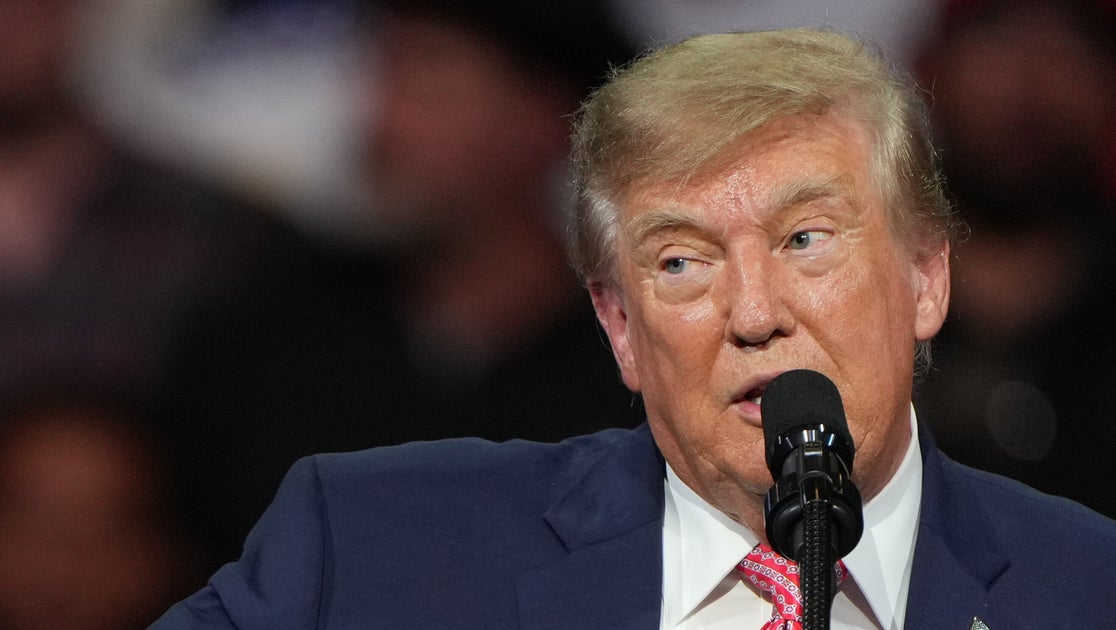
Trump Backs Marshall in Kansas Senate Race Tightened by Farm Costs
President Trump rallied in deep-red Kansas for GOP Sen. Roger Marshall in a competitive race, announcing an $8 billion farm fuel relief program amid high diesel prices. Democrats see an opening to end 94 years of GOP dominance in the state.

Trump Pauses Russia Sanctions Amid Ukraine Tensions and Missile Strikes
Trump waived sanctions on Russia and floated trilateral talks with Putin and Xi as part of ending the Ukraine war, while tensions rose with Zelenskyy over Starlink and arms. Bipartisan senators engaged Zelenskyy amid the shifts.
The Compass
You just read five takes on one story.
What's your take? Find your political shape in a few minutes.
Take the test