
Hegseth Faces Impeachment Push as Iran Blockade Tightens on Day 48
Cover image from theguardian.com, which was analyzed for this article
Democrats intensify efforts to rein in the administration as Hegseth briefs on the blockade and war updates. Right-leaning coverage focuses on Pentagon strategies amid the conflict. Tensions rise over handling day 48 of hostilities.
PoliticalOS
Thursday, April 16, 2026 — Politics
Democrats have introduced impeachment articles against Defense Secretary Pete Hegseth and forced war powers votes to challenge the administration's Iran campaign on constitutional grounds, yet Republican majorities have repeatedly blocked them. The naval blockade of the Strait of Hormuz and indirect talks remain the immediate levers that will determine whether the two-week ceasefire collapses or extends. Readers should understand this as a classic separation-of-powers dispute playing out against real risks of wider conflict and economic disruption, not a imminent change in leadership.
What outlets missed
Most coverage omitted the precise timeline of the peace talks' collapse after only 21 hours in Pakistan and the specific role of Pakistani army chief mediation efforts to extend the ceasefire. Outlets underplayed the economic shock from the Hormuz blockade, including crude oil briefly surging past $100 per barrel and risks to global energy markets. Iranian accusations of U.S. and Israeli ceasefire violations through drone activity, corroborated by multiple regional reports but not addressed in Pentagon releases, received minimal attention. Coverage also gave short shrift to the exact Senate vote breakdown on the war powers resolution and the fact that this was the fourth such attempt, signaling sustained but so far unsuccessful Democratic pressure.
Trump Escalates Pressure on Iran With Blockade as Peace Overtures Collapse
The Trump administration is doubling down on military coercion against Iran, maintaining a naval blockade in the Strait of Hormuz even as it claims to be pursuing high-stakes peace negotiations. Defense Secretary Pete Hegseth and Joint Chiefs of Staff Chairman Gen. Dan Caine briefed reporters from the Pentagon on Thursday morning, confirming that American forces continue to intercept vessels entering or leaving Iranian ports. President Trump has repeatedly stated the blockade will not be lifted until Tehran demonstrates it is “serious about making a deal,” a position that comes after what officials describe as the collapse of direct talks.
The development underscores a familiar pattern in Trump’s approach to the Middle East: bellicose rhetoric paired with economic strangulation and the threat of force, all presented as the path to peace. Iran had agreed to a two-week ceasefire, one that U.S. officials insist Washington has honored. Yet those fragile understandings appear to have yielded little progress. A U.S. official told The Daily Wire that discussions with Iran remain active despite the setbacks, though details about the substance of those talks or any remaining channels of communication were scarce. Notably absent from the latest round of diplomacy, according to multiple reports, has been meaningful involvement from key international actors who traditionally help mediate between Washington and Tehran.
The human cost of this strategy is already mounting. This week, as part of a parallel operation dubbed Southern Spear, U.S. forces struck suspected drug-trafficking vessels, killing six people the Pentagon described as “narco-terrorists.” While administration officials frame these actions as separate from the Iran policy, the overlap in rhetoric linking Tehran to regional instability raises questions about how broadly the United States now defines threats that justify lethal force.
The aggressive posture has drawn sharp international rebuke, most notably from an unexpected voice. In Cameroon on Thursday, Pope Leo, the first American to hold the papacy, delivered unusually blunt remarks condemning leaders who “spend billions on wars” while the world is “being ravaged by a handful of tyrants.” Though he did not name Trump directly, the timing of the speech left little doubt about its target. The comments came days after Trump once again attacked the pontiff on social media and after Vice President JD Vance delivered a pointed theological rebuttal at a Turning Point USA event in Georgia. Vance, facing hecklers from anti-war protesters, suggested the Pope failed to grasp the moral justification for military action, asking, “Was God on the side of the Americans who liberated Holocaust camps?” and warning the Vatican to anchor its statements “in the truth.”
The exchange reveals deepening fractures between the Trump administration and traditional moral authorities. Pope Leo also criticized the invocation of religious language to justify conflict, a direct challenge to the administration’s frequent blending of nationalist rhetoric with claims of divine sanction. His remarks landed as protests inside Iran continue to intensify, with citizens reportedly demanding an end to the ayatollah’s rule. The convergence of internal Iranian unrest, American military pressure, and papal condemnation has left the White House looking increasingly isolated on the global stage.
At home, scrutiny is mounting on Hegseth, who faces questions about the strategic wisdom and legal basis of the blockade. Democrats in Congress are attempting to assert greater oversight, introducing measures aimed at reining in what they describe as an unauthorized drift toward broader conflict with Iran. Lawmakers from both parties have expressed concern that the combination of naval interdiction, targeted strikes, and stalled diplomacy risks miscalculation. The administration’s decision to sideline multilateral institutions and traditional diplomatic partners has only amplified those fears.
Trump’s team insists the pressure campaign is working. By tightening the noose on Iranian oil exports and commercial shipping, officials argue, Washington is finally forcing Tehran to negotiate from a position of weakness rather than strength. Yet the pattern echoes previous iterations of maximum-pressure strategies that yielded more hardship for ordinary Iranians than behavioral change from their government. The blockade disrupts food and medicine imports in addition to energy exports, effects that rarely trouble those advocating tougher measures in Washington.
The irony is difficult to ignore. A president who campaigned on ending endless wars now finds himself enforcing a naval blockade in one of the world’s most vital shipping lanes while his vice president lectures the Pope on the morality of violence. As Pope Leo called for a “decisive change of course” in Cameroon, the Pentagon was simultaneously briefing the public on its continued military operations. The contrast captures the central tension of this moment: an administration that speaks of peace while wielding ever greater military and economic tools of coercion.
Whether the current blockade produces a genuine diplomatic breakthrough or simply accelerates regional instability remains to be seen. What is already clear is that Trump’s return to the White House has revived the same cycle of confrontation with Iran that has defined American policy for decades, this time accompanied by theological arguments from the vice president and open criticism from the first American Pope. As discussions with Tehran reportedly continue behind the scenes, the very public use of force suggests Washington is still more comfortable with pressure than compromise.
You just read Progressive's take. Want to read what actually happened?
More in Politics
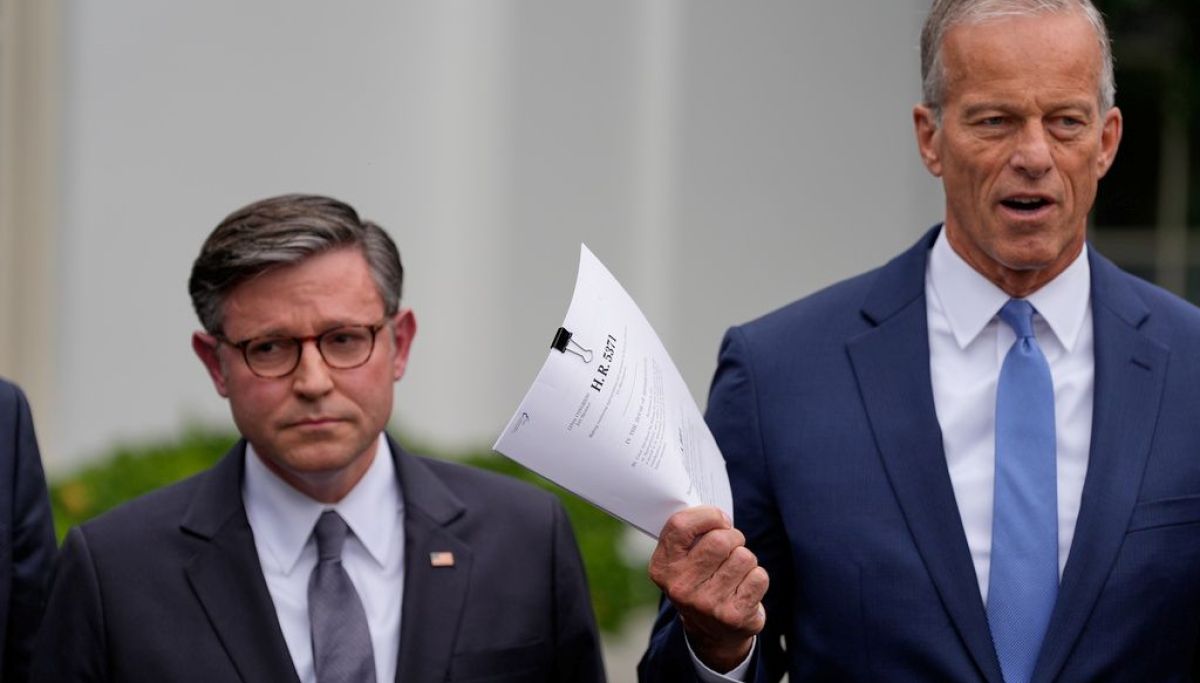
Trump at 32% Approval as Gas Prices Test GOP Midterm Hopes
NYT/Siena polling showed Trump's approval at historic lows around 32 percent with Democrats leading by double digits in key districts. Early voting has surged in battleground states.

Record Early Voting Hits Battlegrounds, Shifting Partisan Shares
AP analysis found hundreds of thousands more early ballots than in 2022 in states including Texas, Ohio, Kansas, Maine, and North Carolina, shifting partisan dynamics.
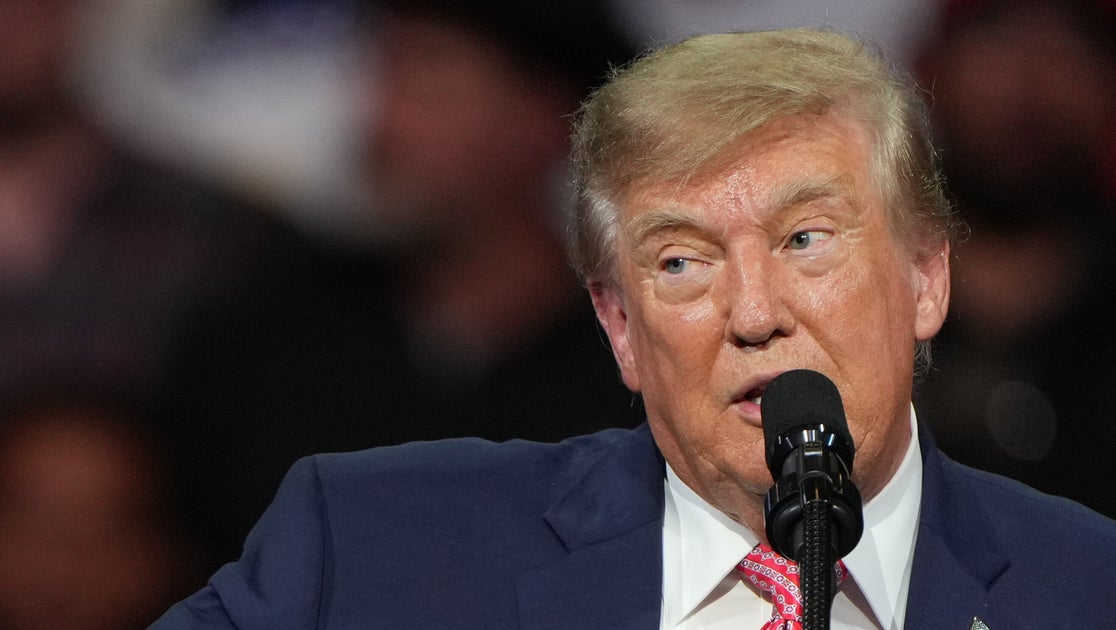
Trump Backs Marshall in Kansas Senate Race Tightened by Farm Costs
President Trump rallied in deep-red Kansas for GOP Sen. Roger Marshall in a competitive race, announcing an $8 billion farm fuel relief program amid high diesel prices. Democrats see an opening to end 94 years of GOP dominance in the state.

Trump Pauses Russia Sanctions Amid Ukraine Tensions and Missile Strikes
Trump waived sanctions on Russia and floated trilateral talks with Putin and Xi as part of ending the Ukraine war, while tensions rose with Zelenskyy over Starlink and arms. Bipartisan senators engaged Zelenskyy amid the shifts.
The Compass
You just read five takes on one story.
What's your take? Find your political shape in a few minutes.
Take the test