
High Prices Squeeze Consumers as Economic Anxiety Grows
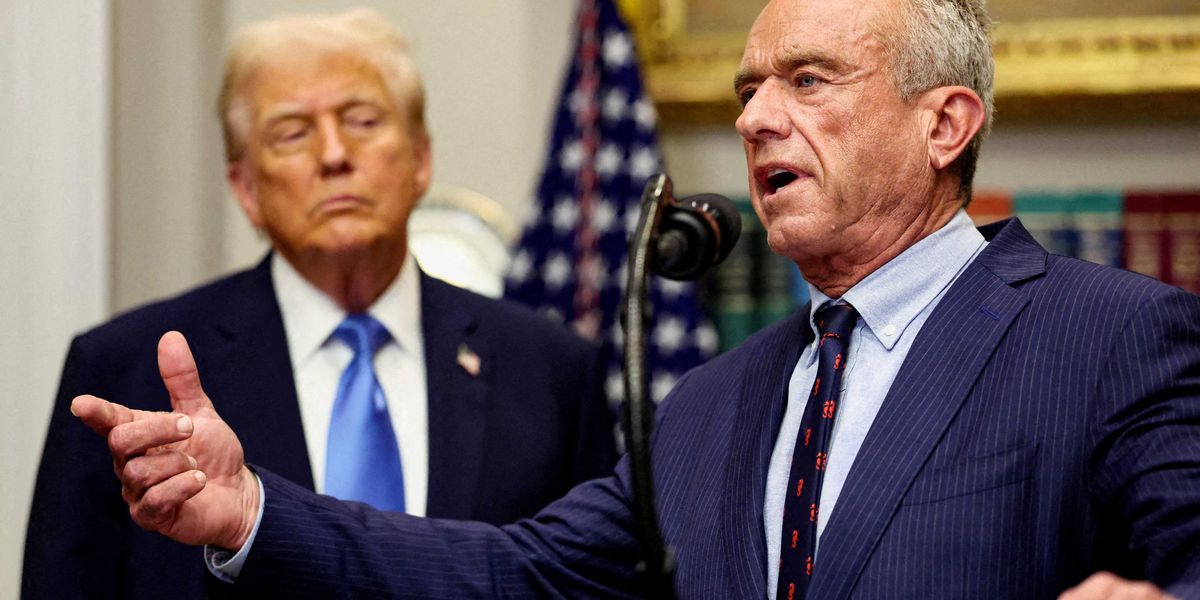
Cover image from rawstory.com, which was analyzed for this article
Consumers squeezed by persistent high prices, low sentiment, and inflation despite steady jobs. Trump polling shows cracks on economy; food rules weakened sparking panic. Gas dips but sales tax hikes loom.
PoliticalOS
Tuesday, May 12, 2026 — Business
High consumer prices remain the dominant public concern even where aggregate economic numbers appear steady. Political support for the administration and local tax measures now hinges on whether visible relief materializes before the next election cycle. Cross-checking primary poll and price data against structural indicators provides the clearest picture of perception versus measured conditions.
What outlets missed
Positive structural metrics such as 2 percent first-quarter GDP growth, 4.3 percent unemployment, and S&P 500 gains of more than 20 percent since inauguration received little attention across coverage. State-level SNAP waivers restricting soda purchases in over 20 states and nearly 100 additive-related bills in 35 states show concrete regulatory activity that industry preemption efforts respond to. The Iran war's closure of the Strait of Hormuz sustained fuel price pressure beyond initial spikes, a factor downplayed in pieces emphasizing only domestic policy responses.
Rising Costs Test Public Patience With Government Policies
New polling shows growing public concern over affordability under the current administration, with 77 percent of Americans attributing higher living expenses to President Trump's policies. His economic approval rating has fallen to a career low of 30 percent according to a CNN survey conducted by SSRS. Roughly 73 percent of respondents described current economic conditions as poor, and two-thirds reported they could not comfortably cover a $1,000 emergency expense. These figures reflect widespread anxiety about everyday expenses rather than abstract indicators.
Gasoline prices provide a concrete example of recent volatility. The national average for regular unleaded fell to $4.504 per gallon on Tuesday, marking the second consecutive day of declines after earlier spikes. Prices had climbed from a five-year low of $2.79 in January to peaks above $4.50, driven initially by winter weather disruptions at refineries and later by the conflict with Iran. Such external shocks illustrate how geopolitical decisions quickly transmit into higher costs for consumers who have little control over supply chains.
Local governments face similar pressures. Los Angeles County voters will decide in June whether to approve a temporary half-cent sales tax increase to offset more than $2 billion in projected federal healthcare funding cuts over three years. The county's base sales tax already stands at 9.75 percent, and past measures for transportation and homeless services passed despite cumulative burdens. Former supervisor Zev Yaroslavsky noted that tolerance for repeated tax hikes has limits, especially when households confront higher fuel and other prices. A simple majority would suffice for this general tax, yet the timing highlights how federal policy shifts often shift costs downward to state and local levels.
In the food sector, industry efforts to establish federal standards that preempt stricter state rules on ultra-processed items and labeling have drawn attention. Proponents of the Make America Healthy Again initiative argue for reducing synthetic additives, yet critics contend that voluntary approaches and preemption favor large producers over aggressive restrictions. Georgetown law professor Lawrence Gostin described the influence of food interests as exceeding that of tobacco, warning of health consequences for children. From an economic standpoint, such lobbying represents standard responses to regulatory uncertainty, where firms seek uniform national rules to lower compliance expenses across jurisdictions.
These developments share a common thread in how policy choices affect price signals and household budgets. Wars and trade disruptions raise energy costs. Federal funding reductions prompt local tax proposals. Regulatory battles over food ingredients create incentives for preemptive federal action. Public polling captures the resulting unease without necessarily isolating which policies bear primary responsibility. Historical patterns suggest that markets adjust over time when interventions do not compound existing frictions, though sustained high costs test that adjustment process for many families.
You just read Conservative's take. Want to read what actually happened?
More in Business & Economy

Stocks Rise on Earnings as Home Sales Hit Low
Major indices closed mixed to higher, led by healthcare and defensive stocks, as companies like Eli Lilly and UnitedHealth reported strong results. Pending home sales hit record lows.

US Stocks Mixed as Tech Rebounds on AI Optimism
The Dow slipped slightly while the S&P 500 and Nasdaq rose, led by Nvidia, AMD, and Intel gains on renewed AI sector confidence after prior drops. Broader market volatility tied to earnings and data center demand.

Trump Unveils $8 Billion Diesel Relief for Farmers
The Agriculture Department launched the program to offset record diesel prices for farmers, framed as economic aid and a midterm pitch in Kansas amid ongoing inflation and energy cost pressures.

CPI Rises to 3.7 Percent as Energy Costs Climb Amid Iran Conflict
Hotter-than-expected CPI figures fueled rate hike fears and contributed to sharp declines in AI and tech stocks. Left and right economic commentary debates Trump policies versus Fed actions.
The Compass
You just read five takes on one story.
What's your take? Find your political shape in a few minutes.
Take the test