
High Prices Squeeze Consumers as Economic Anxiety Grows
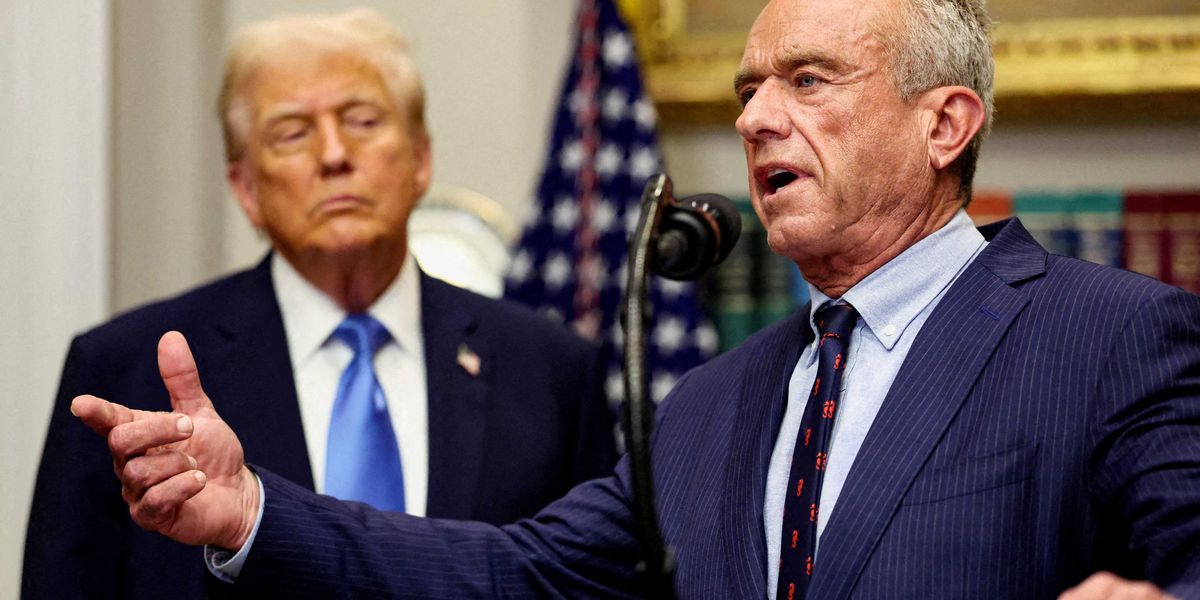
Cover image from rawstory.com, which was analyzed for this article
Consumers squeezed by persistent high prices, low sentiment, and inflation despite steady jobs. Trump polling shows cracks on economy; food rules weakened sparking panic. Gas dips but sales tax hikes loom.
PoliticalOS
Tuesday, May 12, 2026 — Business
High consumer prices remain the dominant public concern even where aggregate economic numbers appear steady. Political support for the administration and local tax measures now hinges on whether visible relief materializes before the next election cycle. Cross-checking primary poll and price data against structural indicators provides the clearest picture of perception versus measured conditions.
What outlets missed
Positive structural metrics such as 2 percent first-quarter GDP growth, 4.3 percent unemployment, and S&P 500 gains of more than 20 percent since inauguration received little attention across coverage. State-level SNAP waivers restricting soda purchases in over 20 states and nearly 100 additive-related bills in 35 states show concrete regulatory activity that industry preemption efforts respond to. The Iran war's closure of the Strait of Hormuz sustained fuel price pressure beyond initial spikes, a factor downplayed in pieces emphasizing only domestic policy responses.
Americans Struggle With Skyrocketing Costs as Media Highlights Trump Poll Slump
Economic pressures continue to weigh heavily on American households even as gas prices show modest signs of relief this week. National averages for regular gasoline fell for a second straight day to 4.504 dollars per gallon according to recent tracking but remain far above the five-year low of 2.79 dollars seen in January. The climb began after winter disruptions and accelerated sharply once conflict with Iran escalated earlier this year pushing prices past 4 dollars by late March and peaking near 4.56 dollars last week.
A new CNN survey conducted by SSRS captures widespread frustration with these trends. Seventy-three percent of respondents described current economic conditions as poor while 77 percent including a majority of Republicans directly linked President Trump's policies to higher living costs. His approval rating on the economy reached a career low of 30 percent. Two-thirds of those polled said they could not comfortably cover a sudden 1,000-dollar expense. CNN hosts described cracks appearing in the president's base over basic affordability.
These numbers arrive amid other local tax proposals that add to household burdens. Los Angeles County voters face a measure that would impose a temporary half-cent sales tax to offset more than 2 billion dollars in expected federal healthcare funding cuts over three years. The county's base sales tax already stands at 9.75 percent before additional city levies. Past sales tax increases for transit and homeless services passed with strong support but analysts note growing voter resistance this cycle as fuel and everyday expenses climb.
Broader policy choices appear to drive some of the price spikes. The Iran conflict disrupted energy markets and contributed to the rapid run-up in fuel costs that outpaced earlier seasonal factors. Meanwhile processed food companies have maneuvered to use health-focused initiatives as cover for weakening stricter state rules on ingredients and marketing. Federal standards pushed at the national level could override tougher local protections leaving families exposed to the same ultra-processed products that health advocates have targeted.
Voters in multiple regions now weigh these overlapping pressures. Recent polling shows anxiety about paying routine bills remains elevated while surprise expenses expose thin margins for many households. Media outlets have seized on the Trump-specific numbers yet the data also reflects cumulative effects from foreign policy decisions and regulatory maneuvering that predate the current administration. Gas prices edging lower offers limited comfort when overall costs for food healthcare and daily necessities continue to outpace wage gains for working families.
You just read America First's take. Want to read what actually happened?
More in Business & Economy

Stocks Rise on Earnings as Home Sales Hit Low
Major indices closed mixed to higher, led by healthcare and defensive stocks, as companies like Eli Lilly and UnitedHealth reported strong results. Pending home sales hit record lows.

US Stocks Mixed as Tech Rebounds on AI Optimism
The Dow slipped slightly while the S&P 500 and Nasdaq rose, led by Nvidia, AMD, and Intel gains on renewed AI sector confidence after prior drops. Broader market volatility tied to earnings and data center demand.

Trump Unveils $8 Billion Diesel Relief for Farmers
The Agriculture Department launched the program to offset record diesel prices for farmers, framed as economic aid and a midterm pitch in Kansas amid ongoing inflation and energy cost pressures.

CPI Rises to 3.7 Percent as Energy Costs Climb Amid Iran Conflict
Hotter-than-expected CPI figures fueled rate hike fears and contributed to sharp declines in AI and tech stocks. Left and right economic commentary debates Trump policies versus Fed actions.
The Compass
You just read five takes on one story.
What's your take? Find your political shape in a few minutes.
Take the test