
U.S. Clears Hormuz Mines, Boosts Oil Flow Under Blockade
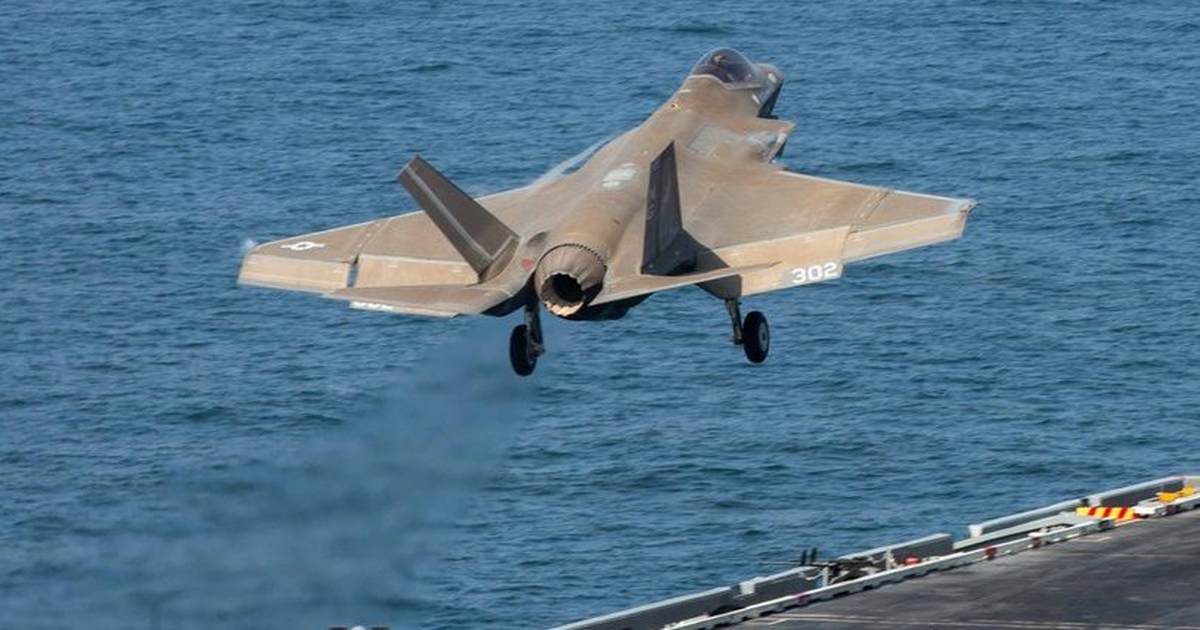
Cover image from redstate.com, which was analyzed for this article
Treasury Secretary Bessent claimed new pipelines will make the Strait irrelevant in two years amid Iran tensions. Experts question the timeline.
PoliticalOS
Friday, August 28, 2026 — Business
U.S. forces have cleared mines and increased tanker traffic through the strait, yet reported volumes remain below pre-war levels and face expert doubts. The situation remains contested rather than resolved, with diplomatic talks ongoing and long-term bypass options unexamined in coverage.
What outlets missed
Neither outlet examined Treasury Secretary Bessent’s separate statements on new pipelines intended to bypass the strait within two years. Independent maritime data on actual daily volumes and insurance costs for transits received little attention. Details on munitions constraints that may have shaped U.S. acceptance of partial concessions also went unmentioned. Long-term effects on Iranian oil revenue and currency stability beyond immediate blockade claims remained unexplored.
US Navy Clears Path Through Strait of Hormuz Blocking Iranian Oil Exports
U.S. Central Command reported that American forces have cleared Iranian sea mines from the international shipping lanes in the Strait of Hormuz. Admiral Brad Cooper detailed how Navy divers, SEAL teams and air support removed the mines placed months earlier by Iran's Islamic Revolutionary Guard Corps. The operation has reopened the main transit routes without further incident.
Nearly 1,500 commercial ships have passed through the strait under U.S. protection since the clearance began. Those vessels carried close to 750 million barrels of crude oil bound for global markets. In the most recent two weeks alone, 130 million barrels moved through the waterway. Iranian exports during the same period stand at zero after the naval blockade took effect.
American forces turned back 75 vessels attempting to break the blockade. Three others that ignored warnings were disabled. The actions followed Iran's earlier attempt to close the strait at the outset of the conflict by mining the primary shipping lane. Iranian officials had warned that tankers would face attacks if they tried to transit.
Treasury Secretary Scott Bessent described the effort as Operation Economic Outcast and said it targets the Iranian regime's ability to fund itself through oil sales. Secretary of War Pete Hegseth praised the military units involved for completing the mine clearance under difficult conditions.
President Trump stated that the strait is now open and that the Iranian response has remained limited. He indicated the priority remains preventing any return to earlier restrictions on shipping. The developments come after six months of conflict that began with strikes aimed at Iran's missile and nuclear facilities and later shifted focus to control of the energy route.
The blockade has cut off Iran's primary source of foreign revenue at a time when its economy already faces severe strain. U.S. officials note that maintaining open transit lanes supports steady oil supplies without requiring broader commitments on the ground.
You just read America First's take. Want to read what actually happened?
More in Business & Economy

Business Activity Holds Up as Selling Prices Rise Fastest Since 2022
S&P Global PMI shows robust activity but selling prices rise at fastest pace since 2022 amid energy and supply chain costs. Halloween candy prices jump 7.7%.

Stock Futures Climb on Anthropic IPO Filing and AI Financing
Major indices rose on enthusiasm from Anthropic's IPO filing and broader AI infrastructure announcements including Meta's massive fundraising plans. Investors are betting heavily on continued AI growth despite valuation concerns.

Tariffs and AI Transition Fuel Growth and Job Worries
Trump's tariff rhetoric and AI-driven restructuring raised concerns about growth, inflation, and job impacts as markets reacted to geopolitical and tech shifts.

AI Companies Weigh Early IPOs as Risks Mount
Nasdaq fell sharply amid concerns over AI spending sustainability and data center costs; Nvidia, Meta, and others were hit as Meta and Tesla reported earnings.
The Compass
You just read five takes on one story.
What's your take? Find your political shape in a few minutes.
Take the test