
U.S. Clears Hormuz Mines, Boosts Oil Flow Under Blockade
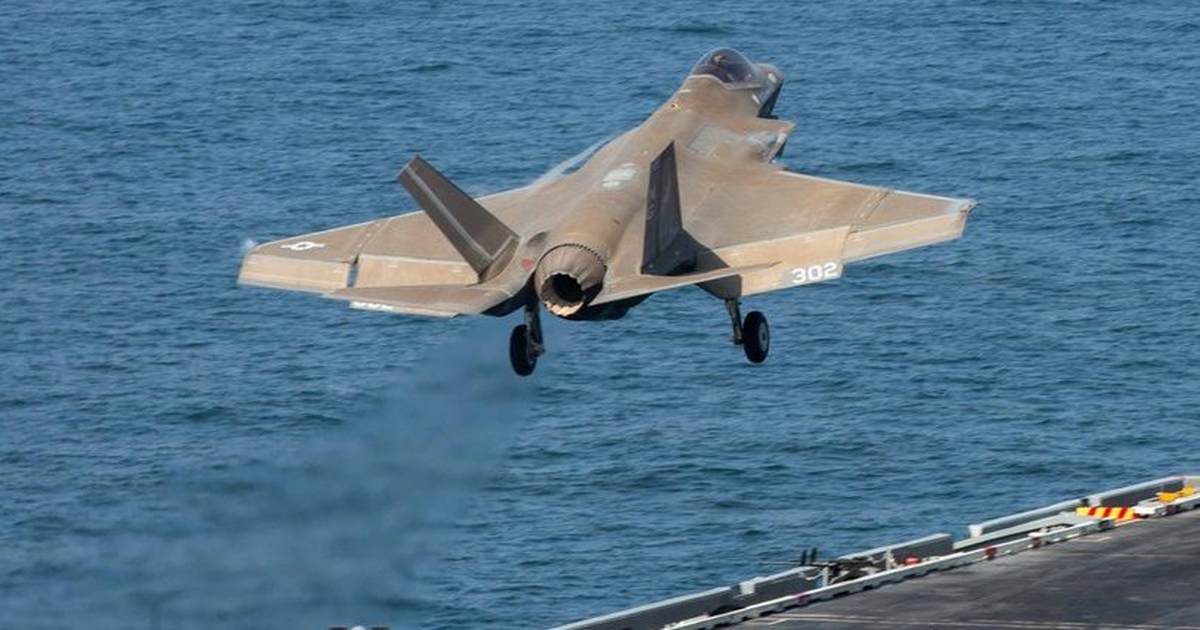
Cover image from redstate.com, which was analyzed for this article
Treasury Secretary Bessent claimed new pipelines will make the Strait irrelevant in two years amid Iran tensions. Experts question the timeline.
PoliticalOS
Friday, August 28, 2026 — Business
U.S. forces have cleared mines and increased tanker traffic through the strait, yet reported volumes remain below pre-war levels and face expert doubts. The situation remains contested rather than resolved, with diplomatic talks ongoing and long-term bypass options unexamined in coverage.
What outlets missed
Neither outlet examined Treasury Secretary Bessent’s separate statements on new pipelines intended to bypass the strait within two years. Independent maritime data on actual daily volumes and insurance costs for transits received little attention. Details on munitions constraints that may have shaped U.S. acceptance of partial concessions also went unmentioned. Long-term effects on Iranian oil revenue and currency stability beyond immediate blockade claims remained unexplored.
US Forces Clear Mines and Resume Oil Flows Through Strait of Hormuz
The U.S. military has cleared Iranian sea mines from the main international shipping lanes in the Strait of Hormuz and restarted the movement of large volumes of crude oil through the waterway, according to statements from Central Command and senior administration officials. The developments come six months into a conflict that began with strikes aimed at Iran's missile forces and nuclear sites and has since expanded into a sustained contest over control of the vital energy corridor.
Admiral Brad Cooper, the CENTCOM commander, said Navy divers, SEAL teams and air assets removed mines placed months earlier by Iran's Islamic Revolutionary Guard Corps. The work focused on the Traffic Separation Scheme, the internationally recognized route used by commercial tankers. Nearly 1,500 vessels carrying roughly 750 million barrels of oil have now transited the strait under U.S. protection, officials said. In the most recent two-week period alone, 130 million barrels moved through the cleared lanes.
At the same time, the U.S. has enforced a naval blockade that has halted all Iranian oil exports. Iranian vessels attempting to run the blockade have been intercepted, with 75 turned back and three disabled after failing to comply. Treasury Secretary Scott Bessent described the combined naval and financial pressure as Operation Economic Outcast and said the goal is to further weaken Iran's already strained economy.
The Strait of Hormuz became a central front after Iran announced its closure at the outset of the war in late February and began mining the main shipping channel. Iranian attacks on shipping and the threat of mines sharply reduced commercial traffic in the following weeks. Israeli officials have said the decision to mine the lane was made by the then-commander of the IRGC Navy, who was later killed in an Israeli airstrike.
President Trump told Axios that the U.S. has gained the upper hand in the waterway. "That sucker is open," he said, adding that Iran's response has been limited. Brent crude, which traded near 72 dollars a barrel before the conflict intensified, has not seen the sustained spike many analysts feared when the strait appeared at risk of closure.
The shift in control of the strait carries direct consequences for global energy markets and for the broader course of the war. Steady flows of non-Iranian oil reduce one source of upward pressure on prices while deepening the isolation of Iran's energy sector. Administration officials have framed the outcome as evidence that military action and economic measures can be combined to alter Iran's leverage without triggering wider regional disruption.
Still, the operation leaves open questions about duration and cost. Maintaining continuous patrols, mine-clearing capacity and sanctions enforcement requires sustained resources at a time when the original objectives of the campaign have broadened. Iranian leaders have not publicly accepted the new status quo, and the risk remains that further attempts to interdict shipping or test the blockade could draw additional U.S. or allied responses.
You just read Liberal's take. Want to read what actually happened?
More in Business & Economy

Business Activity Holds Up as Selling Prices Rise Fastest Since 2022
S&P Global PMI shows robust activity but selling prices rise at fastest pace since 2022 amid energy and supply chain costs. Halloween candy prices jump 7.7%.

Stock Futures Climb on Anthropic IPO Filing and AI Financing
Major indices rose on enthusiasm from Anthropic's IPO filing and broader AI infrastructure announcements including Meta's massive fundraising plans. Investors are betting heavily on continued AI growth despite valuation concerns.

Tariffs and AI Transition Fuel Growth and Job Worries
Trump's tariff rhetoric and AI-driven restructuring raised concerns about growth, inflation, and job impacts as markets reacted to geopolitical and tech shifts.

AI Companies Weigh Early IPOs as Risks Mount
Nasdaq fell sharply amid concerns over AI spending sustainability and data center costs; Nvidia, Meta, and others were hit as Meta and Tesla reported earnings.
The Compass
You just read five takes on one story.
What's your take? Find your political shape in a few minutes.
Take the test