
U.S. Clears Hormuz Mines, Boosts Oil Flow Under Blockade
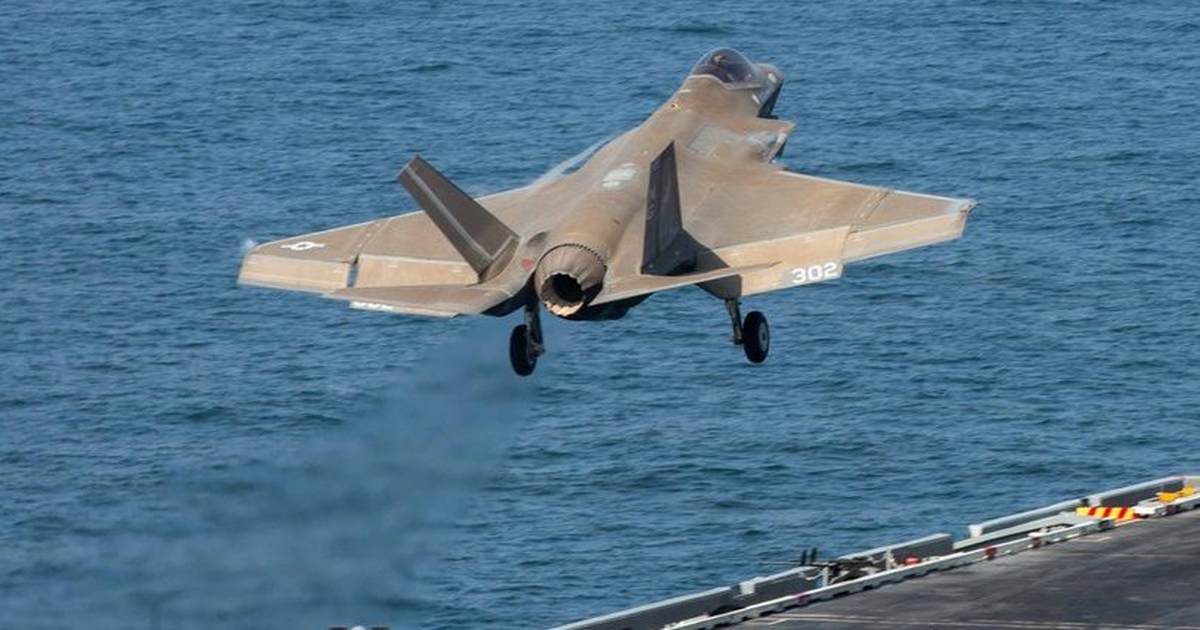
Cover image from redstate.com, which was analyzed for this article
Treasury Secretary Bessent claimed new pipelines will make the Strait irrelevant in two years amid Iran tensions. Experts question the timeline.
PoliticalOS
Friday, August 28, 2026 — Business
U.S. forces have cleared mines and increased tanker traffic through the strait, yet reported volumes remain below pre-war levels and face expert doubts. The situation remains contested rather than resolved, with diplomatic talks ongoing and long-term bypass options unexamined in coverage.
What outlets missed
Neither outlet examined Treasury Secretary Bessent’s separate statements on new pipelines intended to bypass the strait within two years. Independent maritime data on actual daily volumes and insurance costs for transits received little attention. Details on munitions constraints that may have shaped U.S. acceptance of partial concessions also went unmentioned. Long-term effects on Iranian oil revenue and currency stability beyond immediate blockade claims remained unexplored.
US Military Declares Hormuz Victory While Iran Faces Total Oil Export Shutdown
The US Central Command announced this week that American forces have cleared Iranian sea mines from key shipping lanes in the Strait of Hormuz after months of operations involving Navy divers, SEAL teams, and air support. Admiral Brad Cooper described the effort as a dangerous but successful push that has allowed nearly 1,500 commercial vessels to transit the waterway, carrying roughly 750 million barrels of crude oil bound for global markets. At the same time, the US naval blockade has prevented any Iranian oil exports, turning back 75 vessels and disabling three others that attempted to breach it.
The developments come six months into a conflict that began with strikes aimed at Iran's missile capabilities and remaining nuclear infrastructure but has since expanded into a prolonged contest over the world's most critical energy transit route. Iranian forces initially laid mines in the international shipping lanes in the war's opening days, an action US and Israeli officials attribute to a now-deceased commander of the Islamic Revolutionary Guard Corps Navy. Those mines have now been removed from the designated transit zones, according to CENTCOM.
Treasury Secretary Scott Bessent framed the blockade as part of a broader campaign called Operation Economic Outcast, noting that 130 million barrels had moved through the strait in the previous two weeks alone. Defense Secretary Pete Hegseth publicly commended the military's work. President Trump told Axios that the strait was effectively open and that Iran's restrained response reflected its unwillingness to invite further strikes.
Critics of the administration's approach point to the open-ended nature of the fighting and the humanitarian consequences of cutting off Iran's primary revenue source. The strategy has delivered short-term relief to energy markets, with Brent crude having risen from around 72 dollars a barrel at the start of hostilities, yet it has also locked the United States into an indefinite enforcement role in one of the planet's most volatile waterways. Regional analysts warn that sustained pressure on Iranian exports could deepen economic hardship inside the country without necessarily producing the negotiated settlement officials say they seek.
The blockade's success in halting Iranian shipments stands in contrast to the earlier phase of the conflict, when commercial traffic continued largely uninterrupted. US officials now describe the current arrangement as a watershed that could ease global supply concerns, though they acknowledge the risk of renewed Iranian attempts to disrupt traffic if enforcement slackens. For now, the combination of mine clearance and naval interdiction has shifted leverage in the strait, even as the wider war shows no clear endpoint.
You just read Progressive's take. Want to read what actually happened?
More in Business & Economy

Business Activity Holds Up as Selling Prices Rise Fastest Since 2022
S&P Global PMI shows robust activity but selling prices rise at fastest pace since 2022 amid energy and supply chain costs. Halloween candy prices jump 7.7%.

Stock Futures Climb on Anthropic IPO Filing and AI Financing
Major indices rose on enthusiasm from Anthropic's IPO filing and broader AI infrastructure announcements including Meta's massive fundraising plans. Investors are betting heavily on continued AI growth despite valuation concerns.

Tariffs and AI Transition Fuel Growth and Job Worries
Trump's tariff rhetoric and AI-driven restructuring raised concerns about growth, inflation, and job impacts as markets reacted to geopolitical and tech shifts.

AI Companies Weigh Early IPOs as Risks Mount
Nasdaq fell sharply amid concerns over AI spending sustainability and data center costs; Nvidia, Meta, and others were hit as Meta and Tesla reported earnings.
The Compass
You just read five takes on one story.
What's your take? Find your political shape in a few minutes.
Take the test