
Hormuz Restrictions Persist After Ceasefire, Keeping Oil Prices Elevated
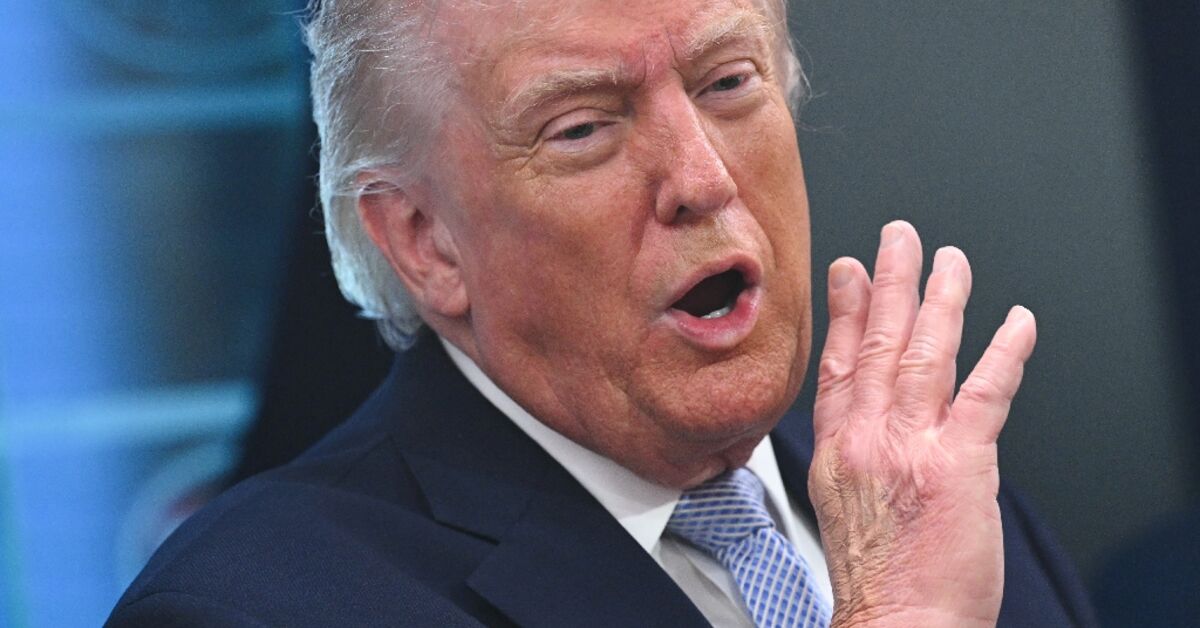
Cover image from al-monitor.com, which was analyzed for this article
Shipping and oil flows through the Strait of Hormuz remain severely restricted despite the US-Iran ceasefire, with Iran halting traffic and imposing tolls. Analysts predict energy prices will take months to normalize, exacerbating global supply chain issues. Trump accused Iran of failing to comply, threatening trade and markets.
PoliticalOS
Friday, April 10, 2026 — Business
The US-Iran ceasefire has not restored normal shipping through the Strait of Hormuz because the two sides interpret the 'safe passage' commitment differently, with Iran enforcing coordination, tolls and linkage to Lebanon while the US demands immediate unrestricted access. This gap, combined with shipping industry caution over risks and insurance, means elevated energy prices and supply chain delays could persist for months regardless of Saturday's talks in Pakistan. The single most important reality is that paper agreements have not yet translated into functional maritime traffic, keeping global markets on edge.
What outlets missed
Most coverage downplayed or omitted the explicit terms of Iran's 10-point proposal incorporated into the ceasefire, which requires Hormuz reopening "in coordination with Iran's armed forces" and includes tolls to compensate for war damage to Iranian infrastructure. This context reframes limited traffic not as simple bad-faith closure but as partial implementation of agreed Iranian oversight, a distinction few outlets highlighted despite citing the low vessel counts. Initial sharp drops in oil prices right after the announcement, with Brent falling below $95 before rebounding, received little attention even though they demonstrated markets initially pricing in relief. Reports also underplayed the human element of nearly 20,000 commercial mariners stranded for weeks under International Maritime Organization tracking, as well as the precise diversion costs of 25 percent higher voyage expenses via alternate Gulf ports.
Global supply chains and household energy bills remain under pressure as traffic through the Strait of Hormuz stays far below normal levels more than a week after the United States and Iran announced a two-week ceasefire. The narrow waterway, which carries one-fifth of the world's oil and liquefied natural gas, typically sees 120 to 140 vessels daily. Since the truce took effect, daily transits have numbered between three and 11 ships, according to data compiled by Kpler, Lloyd's List Intelligence and Windward AI. No oil tankers have made the passage in recent days. A backlog of more than 3,200 vessels has formed, including roughly 600 to 800 tankers, leaving nearly 20,000 mariners idled. Insurance premiums for war-risk coverage have surged, and many operators cite uncertainty over mines, missiles or drones as reasons to stay clear.
The central unresolved question is whether the ceasefire's requirement for "safe passage" means immediate, unrestricted access or a managed reopening coordinated with Iranian forces. The agreement, mediated by Pakistan and announced Tuesday, paused direct U.S.-Iran fighting that began with strikes on February 28. It explicitly tied the truce to reopening the strait. Iran released a 10-point proposal that includes maintaining oversight of the waterway, charging fees to fund reconstruction of bombed infrastructure, lifting sanctions and extending protections to its regional allies including Hezbollah in Lebanon. The United States and Israel maintain that Lebanon operations fall outside the deal. Iranian state media linked continued restrictions to ongoing Israeli strikes in Lebanon, which included some of the heaviest attacks of the parallel conflict on Wednesday. President Donald Trump posted on Truth Social that Iran was doing "a very poor job, dishonorable some would say" of allowing oil through the strait. He warned against any tolls and said oil would flow "with or without the help of Iran."
Three vessels crossed on one recent day: two Iranian-flagged and one dry bulk carrier. Others have used a corridor near Larak Island rather than standard lanes, sometimes disabling tracking systems. Cargo is diverting to Omani and Emirati ports, adding two weeks and roughly 25 percent in costs to some voyages. Abu Dhabi National Oil Company chief executive Sultan Al Jaber stated on LinkedIn that the strait "is not open" and that access "is being restricted, conditioned and controlled." Analysts including Matt Smith of Kpler and Rockford Weitz of Tufts University say shipping companies operate with far lower risk tolerance than governments. Even without active mining, the threat of attack plus elevated insurance has kept most vessels away. Weitz described the disruption as "the biggest in the history of global oil markets" and said predictable, stable flows are required before prices can stabilize.
Brent crude, which fell below $95 a barrel immediately after the ceasefire announcement, climbed back toward $96 as the limited traffic became clear. Analysts from the International Monetary Fund to private consultants predict normalization could take months. Iraq, which curtailed output due to storage limits, would need weeks to ramp back up to 3.5 million barrels per day. Liquefied natural gas infrastructure damage points to three-to-six-month recovery timelines under best-case conditions. U.S. Vice President JD Vance is scheduled to meet Iranian officials in Pakistan on Saturday for the first round of permanent-ceasefire talks. Iranian Parliament Speaker Mohammad Baqer Qalibaf, who will lead Tehran's delegation, has said Lebanon and Iran's broader network of allies cannot be separated from any final deal. Israeli Prime Minister Benjamin Netanyahu has directed forces to de-escalate in Lebanon and agreed to separate talks in Washington next week on disarming Hezbollah.
The gap between paper commitments and on-the-ground movement illustrates how fragile the pause remains. Shipping firms await clarity that neither side has yet provided. Until that uncertainty lifts, the economic ripple effects from fertilizer shortages to higher shipping rates will continue to reach consumers worldwide.
More in Business & Economy

Major Banks Deliver Mixed Q3 Results on Trading Beats
JPMorgan, Goldman Sachs, Citigroup, and Wells Fargo reported Q3 figures, with revenue beats in trading but some estimate misses. CNBC provided live updates on the results and market reactions.

Oil Falls on Russian Diesel Outlook Despite Geopolitical Risks
Dow futures rose while Nasdaq faced pressure from tech weakness and elevated oil after geopolitical spikes. CNBC tracked premarket moves tied to earnings and Fed speeches.

Hall and Woodford Win Economics Nobel for Stabilization Models
American economists Robert E. Hall and Michael Woodford won the Nobel memorial prize for their research on managing economies through booms and busts, informing central bank policies on inflation and unemployment.

Skydance Closes Paramount-Warner Bros. Discovery Deal
The long-delayed media mega-merger cleared hurdles and began operations under Skydance, consolidating Hollywood power. Center and center-left outlets track the regulatory and business milestones.
The Compass
You just read five takes on one story.
What's your take? Find your political shape in a few minutes.
Take the test