
Hormuz Restrictions Persist After Ceasefire, Keeping Oil Prices Elevated
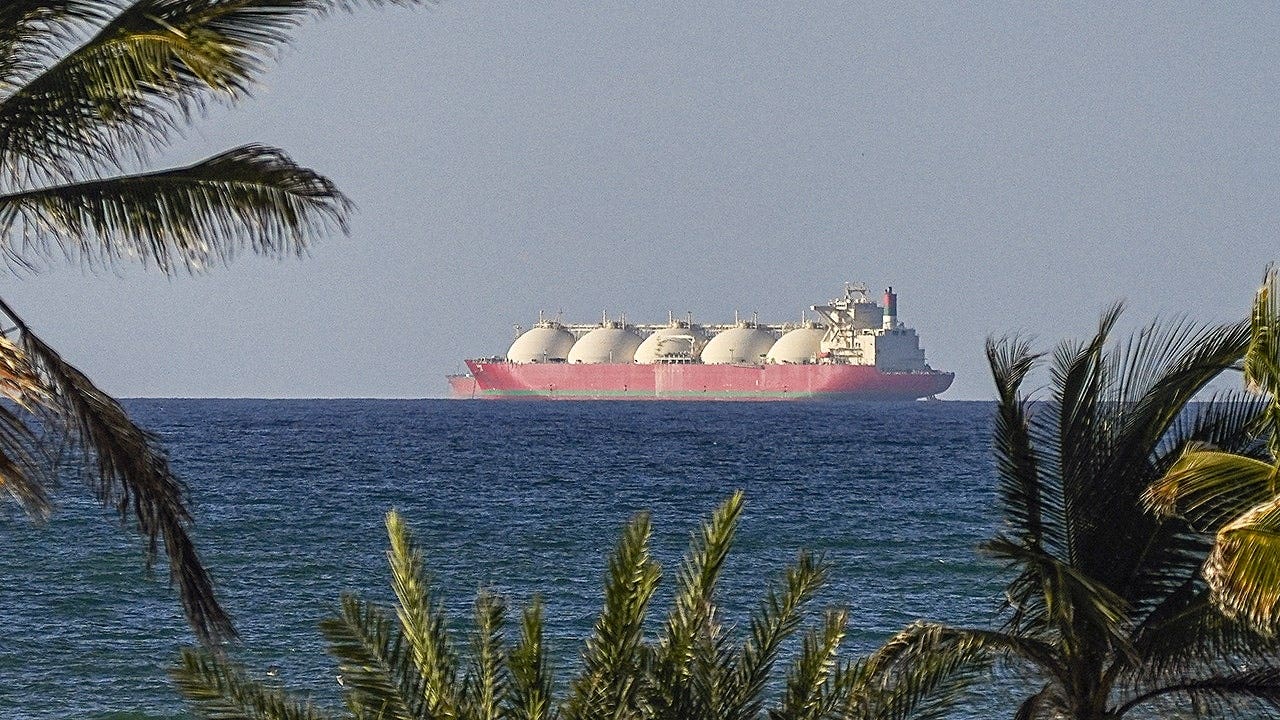
Cover image from foxnews.com, which was analyzed for this article
Shipping and oil flows through the Strait of Hormuz remain severely restricted despite the US-Iran ceasefire, with Iran halting traffic and imposing tolls. Analysts predict energy prices will take months to normalize, exacerbating global supply chain issues. Trump accused Iran of failing to comply, threatening trade and markets.
PoliticalOS
Friday, April 10, 2026 — Business
The US-Iran ceasefire has not restored normal shipping through the Strait of Hormuz because the two sides interpret the 'safe passage' commitment differently, with Iran enforcing coordination, tolls and linkage to Lebanon while the US demands immediate unrestricted access. This gap, combined with shipping industry caution over risks and insurance, means elevated energy prices and supply chain delays could persist for months regardless of Saturday's talks in Pakistan. The single most important reality is that paper agreements have not yet translated into functional maritime traffic, keeping global markets on edge.
What outlets missed
Most coverage downplayed or omitted the explicit terms of Iran's 10-point proposal incorporated into the ceasefire, which requires Hormuz reopening "in coordination with Iran's armed forces" and includes tolls to compensate for war damage to Iranian infrastructure. This context reframes limited traffic not as simple bad-faith closure but as partial implementation of agreed Iranian oversight, a distinction few outlets highlighted despite citing the low vessel counts. Initial sharp drops in oil prices right after the announcement, with Brent falling below $95 before rebounding, received little attention even though they demonstrated markets initially pricing in relief. Reports also underplayed the human element of nearly 20,000 commercial mariners stranded for weeks under International Maritime Organization tracking, as well as the precise diversion costs of 25 percent higher voyage expenses via alternate Gulf ports.
Iran Maintains Grip on Strait of Hormuz Despite Trump Ceasefire Pledge
The critical Strait of Hormuz remained effectively closed to commercial oil traffic this week even after the United States and Iran announced a two-week ceasefire, leaving thousands of vessels stranded and global energy markets facing prolonged disruption. Maritime tracking data and analyst reports show only a trickle of ships have passed through the waterway since the truce took effect Tuesday, contradicting a central condition of the agreement that called for reopening the passage.
President Donald Trump directly called out Tehran on Thursday for failing to honor the deal. In posts on Truth Social, he said Iran was doing a “very poor job, dishonorable some would say, of allowing oil to go through the Strait of Hormuz. That is not the agreement we have.” He warned against any Iranian attempt to impose tolls on passing vessels and added that oil would begin flowing again “with or without the help of Iran.”
Data compiled by Kpler, a trade intelligence firm, illustrates the scale of the holdup. In the first full day after the ceasefire, just one oil products tanker and five dry bulk carriers transited the strait. Subsequent days saw between five and seven vessels total, a sharp decline from the pre-conflict average of 120 to 140 passages daily. No major oil tankers have risked the journey in recent days, according to analyst Matt Smith. Roughly 3,200 vessels, including 800 tankers and cargo ships, have backed up west of the strait. More than 600 vessels, among them 325 tankers, remain stranded inside the Persian Gulf, Lloyd’s List Intelligence reported. Nearly 20,000 mariners have been idled throughout the crisis, the International Maritime Organization said.
The 167-kilometer waterway carries about one-fifth of global oil and liquefied natural gas supplies. Its closure has sent energy prices soaring worldwide since fighting intensified in late February. Analysts caution that even if traffic resumes, normalization could take months. Rockford Weitz, a maritime studies professor at Tufts University’s Fletcher School, told Al Jazeera that anyone claiming to know exactly when prices will return to pre-war levels “is lying.” Stable, predictable flows must be reestablished before markets can stabilize, he and other experts said. The conflict also damaged energy infrastructure across several Gulf states, driving up costs for byproducts such as helium used in semiconductors and home tiles, as well as fertilizers essential to agriculture in developing nations across Asia and Africa.
Iran has cited continued Israeli military activity in Lebanon as justification for restricting passage. Israeli strikes this week, described by the Israeli military as responses to rocket fire from Hezbollah, included some of the heaviest attacks of the conflict. Tehran has portrayed these operations as violations of the truce. The United States and Israel maintain the ceasefire applies separately to the Lebanese theater. On Friday, Israel reported striking 10 rocket launchers in Lebanon after Hezbollah fired toward northern Israel, including a missile aimed at Haifa that was intercepted.
The fragile nature of the pause was evident ahead of scheduled talks between U.S. and Iranian officials in Pakistan this weekend. Reuters reporting from Jerusalem, Beirut, and Islamabad described the truce as already showing “strain.” Trump’s tone shifted noticeably from earlier comments to NBC News in which he expressed optimism that Iranian leaders were “much more reasonable” in private. The president had also indicated Israel was “scaling back” operations in Lebanon.
The episode underscores the difficulty of enforcing agreements with a regime that has long treated commercial shipping lanes as instruments of leverage. For decades, the free flow of oil through Hormuz has been a foundation of global prosperity, enabling predictable supply chains that benefit consumers and producers alike. When political actors interrupt those flows, the costs fall disproportionately on ordinary people far from the battlefield: higher fuel prices, elevated costs for everyday goods, and disrupted planting seasons in vulnerable economies. History shows that such disruptions rarely resolve quickly once trust erodes.
Shipping sources indicated that even compliant vessel operators are likely to remain cautious. Kpler trade risk analyst Ana Subasic projected that daily transits might stay constrained at 10 to 15 passages even if the ceasefire holds, before accounting for any tolls or additional security requirements. Several vessels that have passed since the announcement were Iranian-flagged or dry bulk carriers, offering little relief to the oil market.
The backlog and uncertainty come at a time when global energy demand continues to grow. Developing economies that rely on affordable imported fuel and fertilizer are particularly exposed. The longer the strait stays contested, the deeper the damage to commercial confidence. Trump’s blunt public warnings reflect a view that clear expectations and consequences, rather than vague diplomatic assurances, remain necessary when dealing with actors who have repeatedly used economic chokepoints for strategic gain.
Whether the upcoming talks in Pakistan produce a durable understanding or merely another temporary pause will determine if oil markets can begin their long recovery. For now, the data and the president’s own words paint a picture of a ceasefire that has yet to deliver on its most tangible promise: the reopening of the world’s most important energy artery.
You just read Conservative's take. Want to read what actually happened?