
Hormuz Restrictions Persist After Ceasefire, Keeping Oil Prices Elevated
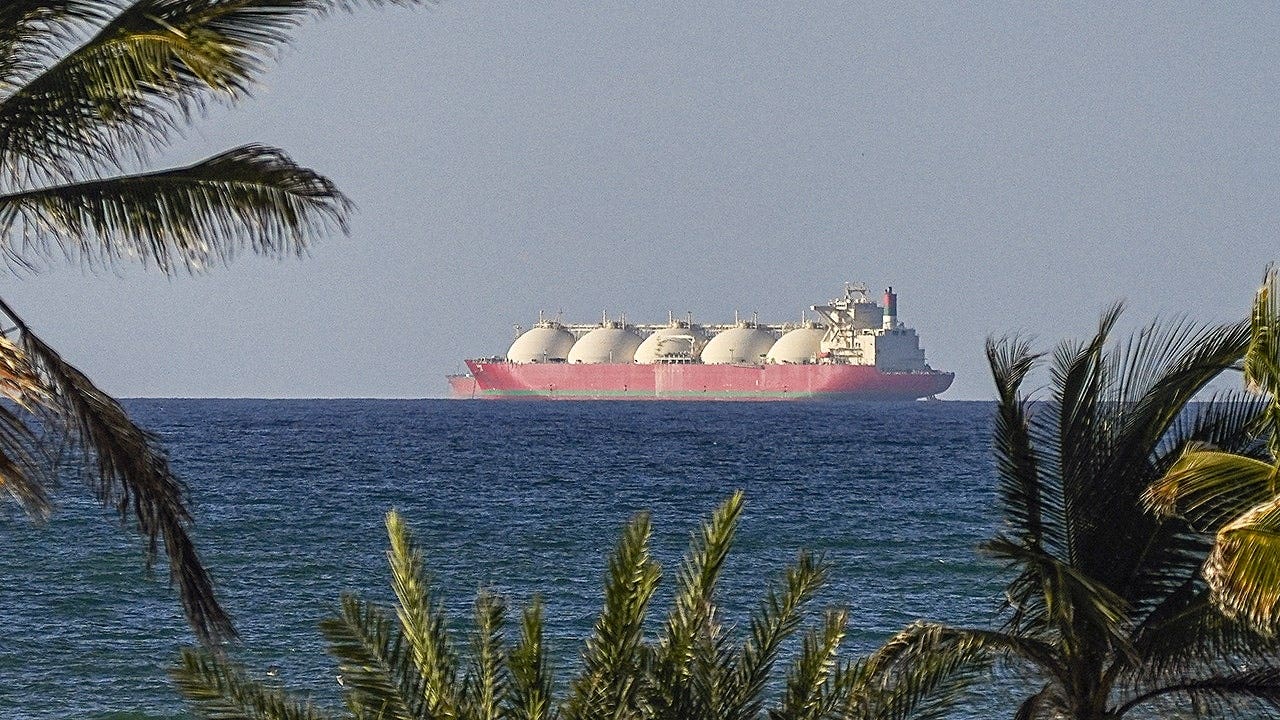
Cover image from foxnews.com, which was analyzed for this article
Shipping and oil flows through the Strait of Hormuz remain severely restricted despite the US-Iran ceasefire, with Iran halting traffic and imposing tolls. Analysts predict energy prices will take months to normalize, exacerbating global supply chain issues. Trump accused Iran of failing to comply, threatening trade and markets.
PoliticalOS
Friday, April 10, 2026 — Business
The US-Iran ceasefire has not restored normal shipping through the Strait of Hormuz because the two sides interpret the 'safe passage' commitment differently, with Iran enforcing coordination, tolls and linkage to Lebanon while the US demands immediate unrestricted access. This gap, combined with shipping industry caution over risks and insurance, means elevated energy prices and supply chain delays could persist for months regardless of Saturday's talks in Pakistan. The single most important reality is that paper agreements have not yet translated into functional maritime traffic, keeping global markets on edge.
What outlets missed
Most coverage downplayed or omitted the explicit terms of Iran's 10-point proposal incorporated into the ceasefire, which requires Hormuz reopening "in coordination with Iran's armed forces" and includes tolls to compensate for war damage to Iranian infrastructure. This context reframes limited traffic not as simple bad-faith closure but as partial implementation of agreed Iranian oversight, a distinction few outlets highlighted despite citing the low vessel counts. Initial sharp drops in oil prices right after the announcement, with Brent falling below $95 before rebounding, received little attention even though they demonstrated markets initially pricing in relief. Reports also underplayed the human element of nearly 20,000 commercial mariners stranded for weeks under International Maritime Organization tracking, as well as the precise diversion costs of 25 percent higher voyage expenses via alternate Gulf ports.
Iran Defies Trump Ceasefire With Total Blockade of Critical Oil Chokepoint
The fragile ceasefire President Trump announced this week with Iran is already showing signs of collapse as Tehran continues its effective shutdown of the Strait of Hormuz, the narrow waterway carrying one-fifth of the world's oil and liquefied natural gas. Despite explicit terms requiring the strait to reopen, maritime tracking data shows almost no oil moving through the passage days after the deal was struck, leaving thousands of vessels stranded and global energy markets in turmoil.
According to analysts at Kpler, a shipping intelligence firm, no oil tankers have risked the journey in recent days. Only a handful of vessels have passed at all since Tuesday, mostly dry bulk carriers or Iranian-flagged ships. On Wednesday just five vessels crossed, followed by seven on Thursday. This is a fraction of the 120 to 140 daily transits the strait handled before the conflict. A massive backlog has formed with roughly 3,200 vessels, including 800 tankers and cargo ships, idling west of the strait. Another 600 vessels remain trapped inside the Persian Gulf, according to Lloyd's List Intelligence. Nearly 20,000 mariners have been essentially held hostage in the region throughout the crisis, the International Maritime Organization reports.
President Trump did not mince words about Iran's behavior. In a series of posts on Truth Social Thursday, he accused Tehran of doing "a very poor job, dishonorable some would say, of allowing Oil to go through the Strait of Hormuz. That is not the agreement we have." He warned specifically against reports that Iran may try to impose tolls on passing ships, stating they "better not be and, if they are, they better stop now." Trump added that oil would start flowing again "very quickly, with or without the help of Iran," a clear signal that American patience is wearing thin.
The stakes could not be higher for American families and the global economy. The closure, combined with Iranian attacks on energy infrastructure across the Gulf, has driven energy prices to painful levels. Analysts warn it could take months for prices to return to anything resembling normal even if the strait fully reopens. The disruption has rippled into everything from gasoline and heating costs to helium for semiconductors and fertilizers needed for global food production. Developing nations in Asia and Africa have been hit especially hard, but American consumers are feeling the squeeze at the pump and in higher prices for everyday goods.
This is the leverage Iran always intended to use. By choking the Hormuz strait, the regime can threaten the energy lifelines of Europe, Asia, and beyond while daring the United States to respond. Retired Gen. Jack Keane expressed skepticism that the ceasefire would hold, warning that Tehran would "delay and obfuscate" its obligations. So far the evidence supports that view. Iran has pointed to Israeli strikes in Lebanon as justification for keeping the strait closed, claiming those actions violate the truce. Israel's military reported striking rocket launchers in Lebanon after attacks on northern Israel, including one targeting Haifa. Hezbollah, Iran's proxy, claimed responsibility for the missile fire. The back-and-forth has only added to the sense that the ceasefire exists more on paper than in practice.
The agreement, announced by Trump on Tuesday as a two-week pause in fighting, was supposed to create space for negotiations set to begin this weekend in Pakistan. Those talks now face an uphill battle. Shipping experts say even if movement resumes, safe transit capacity may be limited to just 10 to 15 passages per day at first, far below what markets need. Compliant ship owners are staying cautious after months of attacks and uncertainty. Professor Rockford Weitz of Tufts University's Fletcher School told Al Jazeera that anyone claiming to know exactly when prices will normalize "is lying" because the situation remains too fluid.
For years Washington policymakers assured Americans that diplomacy and sanctions would eventually moderate Iranian behavior. The current crisis proves how hollow those promises were. The Islamic Republic views these chokepoints as weapons, not shared international waterways. Its willingness to strand mariners, disrupt global food and energy supplies, and test the limits of a fresh American ceasefire suggests the regime calculates that the West lacks the will to enforce basic terms.
Trump's direct language marks a welcome departure from the scripted caution of previous administrations. He has made clear that the deal hinges on oil flowing freely, not on endless Iranian delays. Yet the scenes of thousands of ships idling while energy costs remain elevated serve as a reminder of how fragile America's position has become after decades of dependence on unstable foreign regimes for critical resources.
Whether the Pakistan talks produce a real breakthrough or merely more Iranian stalling remains to be seen. What is already obvious is that the Hormuz blockade did not end with the ceasefire announcement. Iran is testing the agreement in real time, betting that the world will accept a trickle of traffic instead of the full reopening Trump demanded. The American president has signaled he will not tolerate that outcome indefinitely. The coming days will show whether Tehran believes him. Until the tankers move and the backlog clears, families paying more at the gas station and businesses facing higher costs will bear the price of Iran's defiance.
You just read America First's take. Want to read what actually happened?