
Hormuz Restrictions Persist After Ceasefire, Keeping Oil Prices Elevated
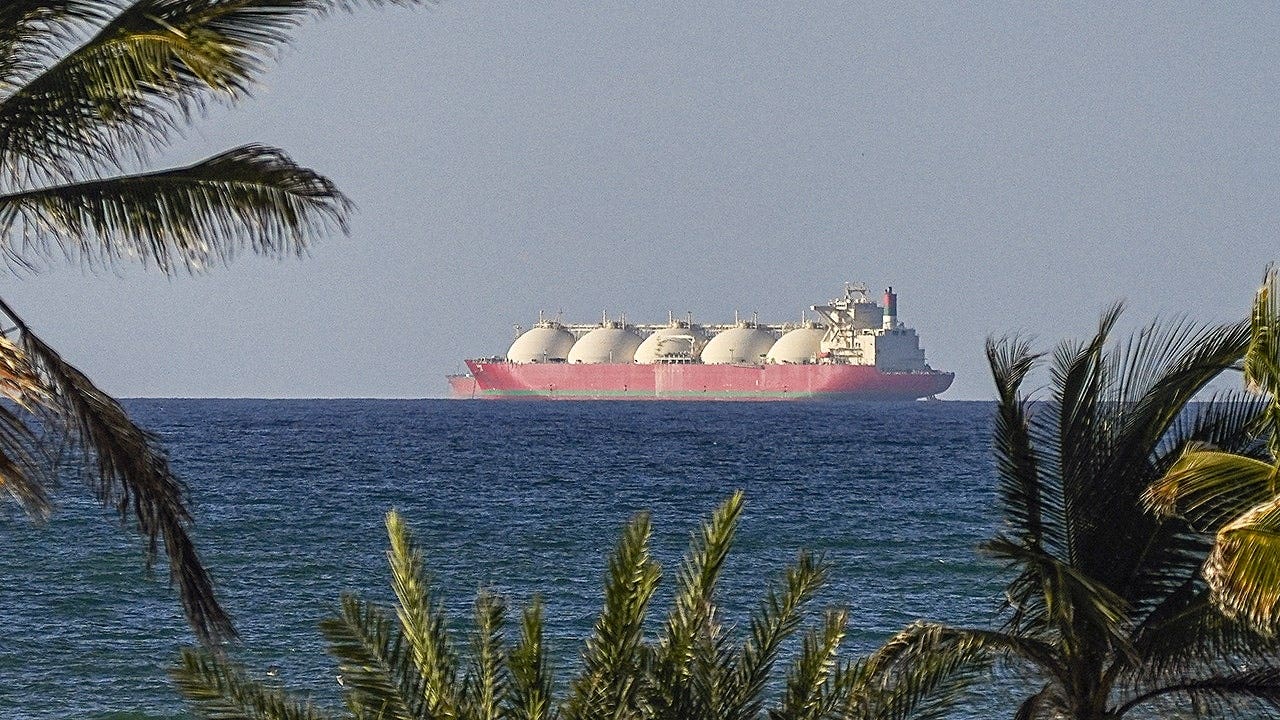
Cover image from foxnews.com, which was analyzed for this article
Shipping and oil flows through the Strait of Hormuz remain severely restricted despite the US-Iran ceasefire, with Iran halting traffic and imposing tolls. Analysts predict energy prices will take months to normalize, exacerbating global supply chain issues. Trump accused Iran of failing to comply, threatening trade and markets.
PoliticalOS
Friday, April 10, 2026 — Business
The US-Iran ceasefire has not restored normal shipping through the Strait of Hormuz because the two sides interpret the 'safe passage' commitment differently, with Iran enforcing coordination, tolls and linkage to Lebanon while the US demands immediate unrestricted access. This gap, combined with shipping industry caution over risks and insurance, means elevated energy prices and supply chain delays could persist for months regardless of Saturday's talks in Pakistan. The single most important reality is that paper agreements have not yet translated into functional maritime traffic, keeping global markets on edge.
What outlets missed
Most coverage downplayed or omitted the explicit terms of Iran's 10-point proposal incorporated into the ceasefire, which requires Hormuz reopening "in coordination with Iran's armed forces" and includes tolls to compensate for war damage to Iranian infrastructure. This context reframes limited traffic not as simple bad-faith closure but as partial implementation of agreed Iranian oversight, a distinction few outlets highlighted despite citing the low vessel counts. Initial sharp drops in oil prices right after the announcement, with Brent falling below $95 before rebounding, received little attention even though they demonstrated markets initially pricing in relief. Reports also underplayed the human element of nearly 20,000 commercial mariners stranded for weeks under International Maritime Organization tracking, as well as the precise diversion costs of 25 percent higher voyage expenses via alternate Gulf ports.
Strait of Hormuz Remains Closed Testing Fragile US Iran Ceasefire
The two week ceasefire between the United States Iran and Israel announced with fanfare on Tuesday has already begun to fray as the Strait of Hormuz the narrow waterway carrying one fifth of global oil and liquefied natural gas supplies stays effectively sealed. Maritime tracking data shows only a trickle of vessels have passed through the channel since the truce took hold with analysts reporting no meaningful movement of oil tankers in recent days. A backlog of roughly 3200 ships including 800 tankers now idles west of the strait while nearly 20000 mariners remain stranded in the Persian Gulf according to the International Maritime Organization.
President Donald Trump who brokered the pause in fighting took to social media on Thursday to accuse Iran of violating the central term of the deal. Iran is doing a very poor job dishonorable some would say of allowing oil to go through the Strait of Hormuz he wrote. That is not the agreement we have. He warned against any Iranian attempt to impose tolls on passing ships and suggested in a later post that oil would begin flowing quickly with or without Tehrans cooperation. The sharp tone marked a shift from his earlier expressions of optimism about reaching a longer term understanding with Iranian leaders.
Yet the data on the water tells a more complicated story. Market intelligence firm Kpler recorded just five vessels crossing on Wednesday seven on Thursday and a similar light flow in the first full day of the ceasefire. Most were dry bulk carriers or Iranian flagged ships rather than the oil tankers needed to ease global energy markets. Ana Subasic a trade risk analyst at Kpler noted that even if the truce holds compliant ship owners are likely to remain cautious with daily transits constrained to perhaps 10 to 15 passages at most. Before the conflict escalated on February 28 the strait routinely saw 120 to 140 transits per day.
The economic consequences have been swift and severe. Iran closed the strait in retaliation for American and Israeli strikes on its territory triggering the worst disruption to global energy supplies in history. Prices for oil gas and related products including helium used in semiconductors and fertilizers surged. Developing nations in Asia and Africa have absorbed the heaviest burden as higher costs for fuel and agricultural inputs ripple through already strained economies. Analysts caution that even a full reopening would not bring immediate relief. Rockford Weitz a maritime studies professor at Tufts University told Al Jazeera that anyone claiming to know when prices will normalize is lying. It is too early to tell he said stressing the need for predictable stable flows before markets can regain confidence. Some experts predict normalization could take months.
The mutual recriminations highlight the ceasefires structural fragility. Iran has pointed to continued Israeli strikes in Lebanon including what Israeli officials described as the heaviest attacks of the war on Wednesday as justification for holding the strait closed. Hezbollah fired rockets toward northern Israel prompting further Israeli responses on Friday. The United States and Israel maintain that such actions fall outside the truce terms while Tehran argues they breach the spirit of de escalation. Negotiations between American and Iranian officials are scheduled for Saturday in Pakistan adding urgency to resolve these sticking points.
This episode underscores the limits of temporary military pauses in a region where economic chokepoints and proxy conflicts remain deeply intertwined. The 167 kilometer strait has long served as leverage for Iran a fact thrown into sharp relief by the current standoff. Shipping sources told Reuters that vessel operators are waiting for clearer signals of safety before risking passage through waters that only days ago saw active hostilities. The human toll extends beyond stranded crews to the millions of households now paying more for basics derived from energy and fertilizer markets.
As the two week window ticks down the coming days in Pakistan will test whether the ceasefire can evolve into something more durable or whether the underlying grievances over security guarantees energy routes and regional influence will pull the parties back toward confrontation. For now the ships remain at anchor the oil stays in port and the global economy continues to absorb the cost of a waterway that refuses to reopen.
You just read Liberal's take. Want to read what actually happened?