
Hormuz Restrictions Persist After Ceasefire, Keeping Oil Prices Elevated
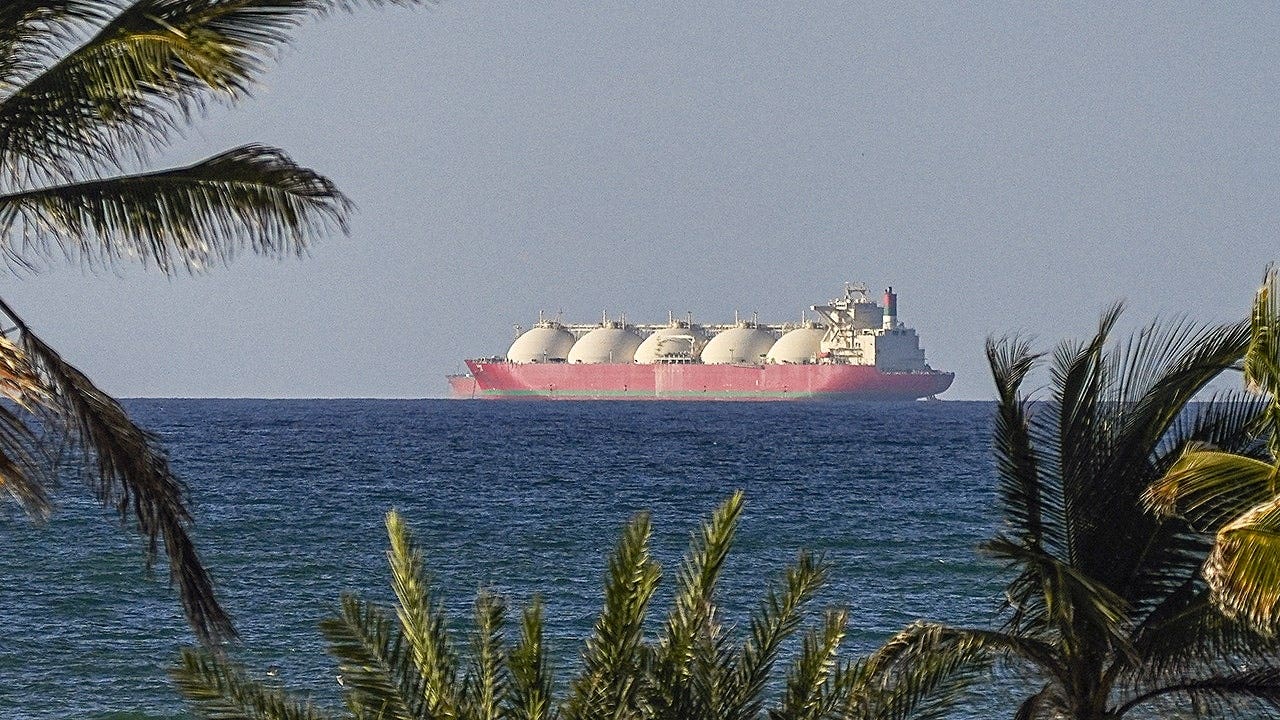
Cover image from foxnews.com, which was analyzed for this article
Shipping and oil flows through the Strait of Hormuz remain severely restricted despite the US-Iran ceasefire, with Iran halting traffic and imposing tolls. Analysts predict energy prices will take months to normalize, exacerbating global supply chain issues. Trump accused Iran of failing to comply, threatening trade and markets.
PoliticalOS
Friday, April 10, 2026 — Business
The US-Iran ceasefire has not restored normal shipping through the Strait of Hormuz because the two sides interpret the 'safe passage' commitment differently, with Iran enforcing coordination, tolls and linkage to Lebanon while the US demands immediate unrestricted access. This gap, combined with shipping industry caution over risks and insurance, means elevated energy prices and supply chain delays could persist for months regardless of Saturday's talks in Pakistan. The single most important reality is that paper agreements have not yet translated into functional maritime traffic, keeping global markets on edge.
What outlets missed
Most coverage downplayed or omitted the explicit terms of Iran's 10-point proposal incorporated into the ceasefire, which requires Hormuz reopening "in coordination with Iran's armed forces" and includes tolls to compensate for war damage to Iranian infrastructure. This context reframes limited traffic not as simple bad-faith closure but as partial implementation of agreed Iranian oversight, a distinction few outlets highlighted despite citing the low vessel counts. Initial sharp drops in oil prices right after the announcement, with Brent falling below $95 before rebounding, received little attention even though they demonstrated markets initially pricing in relief. Reports also underplayed the human element of nearly 20,000 commercial mariners stranded for weeks under International Maritime Organization tracking, as well as the precise diversion costs of 25 percent higher voyage expenses via alternate Gulf ports.
Iran Maintains Blockade of Hormuz Strait as Trump Ceasefire Unravels
Despite President Donald Trump's announcement of a two-week ceasefire with Iran earlier this week, the Strait of Hormuz remains effectively closed to commercial oil traffic, prolonging the worst disruption to global energy supplies in modern history and exposing the fragility of a deal already strained by mutual accusations and continued regional violence.
Ship tracking data from firms like Kpler and Lloyd's List Intelligence paint a grim picture. In the first days since the truce took effect, only a handful of vessels have passed through the narrow waterway that normally carries one-fifth of the world's oil and liquefied natural gas. On Wednesday, just five vessels transited. The following day that number edged up to seven, including two Iranian-flagged ships and a few dry bulk carriers. No meaningful oil tanker traffic has resumed. More than 600 vessels, including 325 tankers, sit stranded in the Persian Gulf alongside roughly 3,200 others backed up west of the strait. Nearly 20,000 mariners remain effectively trapped, according to the International Maritime Organization.
Trump responded with characteristic fury on his Truth Social platform, accusing Iran of doing a "very poor job, dishonorable some would say," of honoring the agreement that hinged on reopening the waterway. "That is not the agreement we have," he wrote, adding that Tehran "better not" impose tolls on passing ships. The remarks marked a sharp shift from his earlier comments to NBC News in which he claimed to be "very optimistic" about a permanent deal and described Iranian leaders as "much more reasonable" in private. The president further warned that oil would begin flowing "with or without the help of Iran," though he offered no details on how Washington might enforce that outcome.
The stakes could hardly be higher. Iran shut the strait in response to U.S.-Israeli airstrikes on its territory that began February 28, triggering a cascade of attacks on energy infrastructure across the Gulf. The resulting shortages sent prices for oil, gas, helium, fertilizers and other critical goods soaring. Consumers in developing nations across Asia and Africa have borne the heaviest burden, with higher costs for everything from cooking fuel to agricultural inputs threatening sowing seasons and deepening inflation. Analysts warn that even if the strait reopens fully, a return to pre-war price levels could take months.
"What we're seeing is not a resumption of normal traffic but a cautious trickle at best," said one shipping analyst, noting that compliant ship owners are likely to remain wary. Safe daily transits are expected to stay constrained at 10 to 15 passages even if the ceasefire holds, far below the pre-war average of 120 to 140 vessels. Rockford Weitz, a maritime expert at Tufts University's Fletcher School, was blunt: anyone claiming to know exactly when markets will stabilize "is lying. It's too early to tell when we return to normal."
The truce, negotiated under heavy pressure, already shows serious cracks. Iran has pointed to Israel's continued strikes on Lebanon, including what Lebanese officials described as the heaviest attacks of the war earlier this week, as a violation of the spirit of the agreement. On Friday, Israel's military said it hit rocket launchers in Lebanon after projectiles were fired toward northern Israel, an exchange that included a Hezbollah missile aimed at Haifa. Tehran has long maintained close ties to Hezbollah, and its Supreme Leader has demanded compensation rather than further conflict. The tit-for-tat violence complicates the delicate diplomacy scheduled to begin this weekend in Pakistan, where U.S. and Iranian officials are supposed to hold direct talks.
Critics of the original U.S.-Israeli military campaign against Iran have noted that the current crisis was entirely foreseeable. By launching strikes on Iranian territory and energy sites, Washington and its ally invited precisely the kind of asymmetric retaliation Tehran has now employed, using its geographic choke point to inflict economic pain on the entire planet. The blockade has become Iran's primary leverage, and officials in Tehran appear in no rush to surrender it while Lebanese allies continue to come under fire.
Energy markets remain on edge. Even limited movement of a few Iranian-flagged vessels and dry bulk carriers does little to reassure traders or the millions of people whose daily lives depend on stable fuel prices. Developing economies that never asked to be dragged into this conflict are now paying the price through inflated costs for essentials. Maritime experts say predictable, stable flows through the strait are required before any genuine recovery can begin, yet the rhetoric from both Washington and Tehran suggests trust is in short supply.
As the two sides prepare to sit down in Pakistan, the question looms whether this ceasefire was merely a pause in hostilities or the beginning of an actual de-escalation. With oil still not moving, ships still idling, and fresh strikes rattling Lebanon, the evidence on the water suggests the latter remains a distant hope. Global consumers, particularly in the Global South, will continue footing the bill while diplomats argue over who is violating terms of a truce that, in practice, has yet to deliver the one outcome it promised: the reopening of the world's most important energy artery.
You just read Progressive's take. Want to read what actually happened?