
Hormuz Traffic Stalls Post-Ceasefire as US and Iran Trade Blame Over Tolls and Control
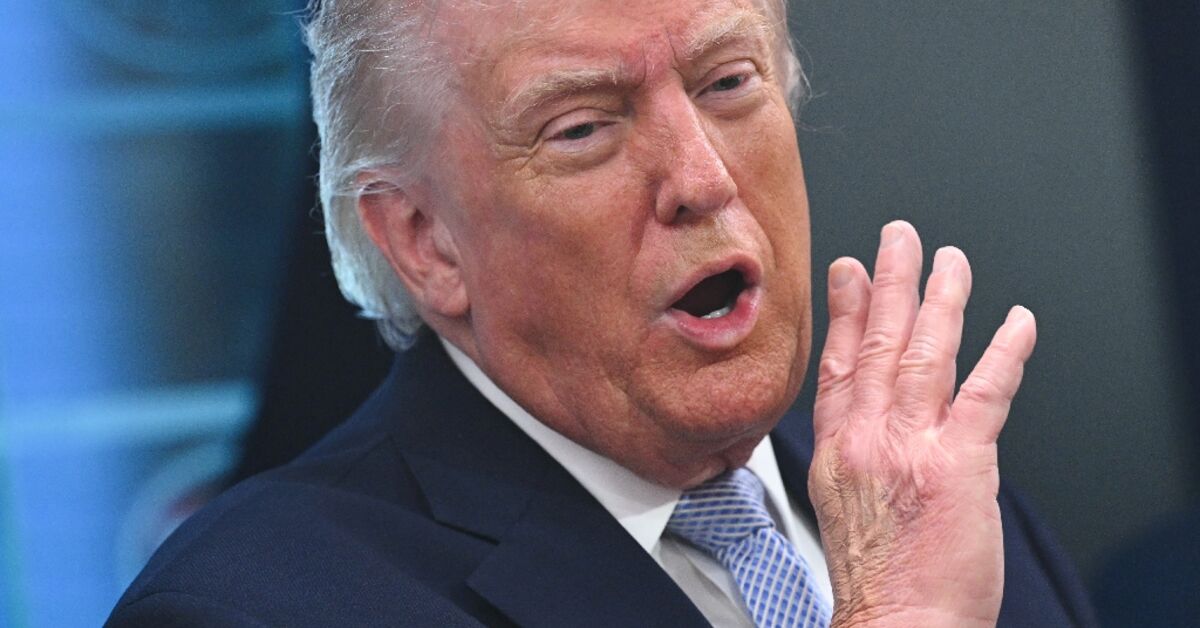
Cover image from al-monitor.com, which was analyzed for this article
Oil tanker traffic through the Strait of Hormuz remains at a standstill despite the US-Iran ceasefire, with Iran accused of blocking flows and imposing tolls, exacerbating global energy supply concerns. Analysts warn energy prices may take months to normalize, prompting shippers to explore alternative routes amid high air cargo rates and ocean gridlock. The choke point issues are stoking fears of prolonged volatility in oil markets and trade.
PoliticalOS
Friday, April 10, 2026 — Business
The ceasefire has paused active fighting but left the Strait of Hormuz operating at roughly 10 percent of normal capacity because the parties disagree on what reopening actually requires. Iran insists on coordination with its forces and compensatory tolls; the U.S. demands unrestricted passage. Until that contradiction is resolved in Pakistan talks or the two-week clock runs out, energy prices will stay elevated, supply chains will remain strained, and global consumers will bear the cost.
What outlets missed
Most outlets underplayed the explicit terms of Iran's 10-point proposal incorporated into the ceasefire, which requires coordination with Iranian armed forces for any reopening and includes tolls to fund reconstruction of bombed infrastructure. Few connected the low traffic figures to the pre-existing requirement for Iranian permission rather than treating every restricted transit as automatic bad-faith violation. Coverage also largely omitted that the conflict itself escalated after expiration of a prior Twelve-Day War truce on February 28, framing the U.S.-Israeli strikes as the unambiguous start without that context. Insurance and mine-risk details appeared sporadically but rarely alongside verifiable stranded-mariner counts from the IMO or the selective passage of non-oil vessels via IRGC-managed lanes near Larak Island. Finally, immediate post-ceasefire oil price drops of 15 percent in some benchmarks were buried or ignored in favor of longer-term normalization warnings.
Global energy markets face months of volatility as shipping through the Strait of Hormuz has slowed to a fraction of normal volumes even after a two-week ceasefire between the United States and Iran took effect this week. The narrow waterway carries one-fifth of the world's oil and liquefied natural gas. A backlog of more than 600 vessels, including hundreds of tankers, has formed in the Persian Gulf, according to Lloyd's List Intelligence and Kpler data. Insurance rates have surged. Alternative routes around Africa add two weeks and 25 percent to costs. Air cargo rates from Asia to Europe have doubled on some lanes, per Flexport and WorldACD figures, as shippers scramble for passenger belly space or reroute via Los Angeles.
The central unresolved question is whether Iran will permit unrestricted commercial traffic under the truce terms before the pause expires, or whether demands for coordination with its forces and disputed tolls will keep the channel effectively closed. President Donald Trump announced the ceasefire on Tuesday, stating it required the "COMPLETE, IMMEDIATE, and SAFE OPENING" of the strait. By Thursday he posted on Truth Social that Iran was doing "a very poor job, dishonorable some would say" of complying. Iranian officials countered that the agreement, which incorporates a 10-point Iranian proposal mediated by Pakistan, requires coordination with Iran's armed forces to guarantee security and allows for fees to offset war damage. Foreign Minister Abbas Araghchi posted that the United States must restrain Israeli strikes on Lebanon or the deal collapses. Those strikes continued Wednesday, killing hundreds according to Lebanese officials, though both Washington and Jerusalem maintain Lebanon falls outside the truce.
Traffic numbers tell the story in stark terms. Before the February 28 outbreak of direct U.S.-Israeli strikes on Iranian targets, 120 to 140 vessels passed daily. In the first 24 hours after the ceasefire, trackers recorded between five and 11 transits, mostly dry bulk carriers and a few Iranian-flagged ships using corridors near Larak Island rather than standard lanes. Kpler analyst Matt Smith said no oil tankers had moved in recent days. Ana Subasic, another Kpler analyst, projected safe capacity at 10 to 15 passages daily even if the truce holds, before accounting for toll disputes. Windward maritime data showed some vessels switching off tracking systems. The International Maritime Organization estimates nearly 20,000 mariners remain stranded.
Iran has signaled it will charge fees, with reports citing figures from $1 per barrel paid in cryptocurrency to $2 million per container vessel. The Financial Times and Reuters carried versions of the claim; Trump warned such charges must stop. Sultan Al Jaber, CEO of Abu Dhabi National Oil Company, posted that the strait "is not open" and that access is "restricted, conditioned and controlled." South Korea's National Security Adviser Wi Sung-lac told a Friday briefing that passage "remains disrupted" and that Seoul would pursue alternative crude and naphtha supplies; 26 Korean-flagged ships are among those waiting. Japanese and European governments have activated reserves and urged conservation, from four-day workweeks in the Philippines to free public transit in Australian states.
Analysts diverge on timing. Rockford Weitz of Tufts University called it "the biggest disruption in the history of global oil markets" and said predictable flows require cooperation among the United States, China, Russia and Gulf powers. Usha Haley of Wichita State University noted Iraqi production shut-ins that could take weeks to reverse. Rachel Ziemba of the Center for a New American Security said a risk premium would keep prices elevated even if some blocked cargoes reach market soon. Brent crude spiked above $100 per barrel last month, fell sharply on the ceasefire announcement, then climbed back toward $96 as traffic data emerged. The International Monetary Fund plans to downgrade its global growth forecast next week.
Saturday talks in Pakistan between U.S. Vice President JD Vance and Iranian Parliament Speaker Mohammad Baqer Qalibaf are meant to convert the pause into something durable. Iran's proposal demands acceptance of its nuclear enrichment rights, sanctions relief and inclusion of its regional allies. Israel has begun separate Lebanon negotiations in Washington next week and says it will scale down strikes. Yet mutual accusations continue. Tehran links continued Lebanese fighting to its strait policy. Washington calls Iranian restrictions a breach. Shipping companies, unlike governments, operate with near-zero tolerance for missile or mine risk; war-risk insurance remains expensive and restricted.
The juxtaposition is clear: a truce hailed as averting wider war has not yet restored the flow of energy that underpins the global economy. Until vessels move at something approaching normal volume, or until the two sides agree on what "safe opening" actually means, oil markets, supply chains and consumers from Asia to Europe will continue paying the price.
More in Business & Economy

Major Banks Deliver Mixed Q3 Results on Trading Beats
JPMorgan, Goldman Sachs, Citigroup, and Wells Fargo reported Q3 figures, with revenue beats in trading but some estimate misses. CNBC provided live updates on the results and market reactions.

Oil Falls on Russian Diesel Outlook Despite Geopolitical Risks
Dow futures rose while Nasdaq faced pressure from tech weakness and elevated oil after geopolitical spikes. CNBC tracked premarket moves tied to earnings and Fed speeches.

Hall and Woodford Win Economics Nobel for Stabilization Models
American economists Robert E. Hall and Michael Woodford won the Nobel memorial prize for their research on managing economies through booms and busts, informing central bank policies on inflation and unemployment.

Skydance Closes Paramount-Warner Bros. Discovery Deal
The long-delayed media mega-merger cleared hurdles and began operations under Skydance, consolidating Hollywood power. Center and center-left outlets track the regulatory and business milestones.
The Compass
You just read five takes on one story.
What's your take? Find your political shape in a few minutes.
Take the test