
Hormuz Traffic Stalls Post-Ceasefire as US and Iran Trade Blame Over Tolls and Control
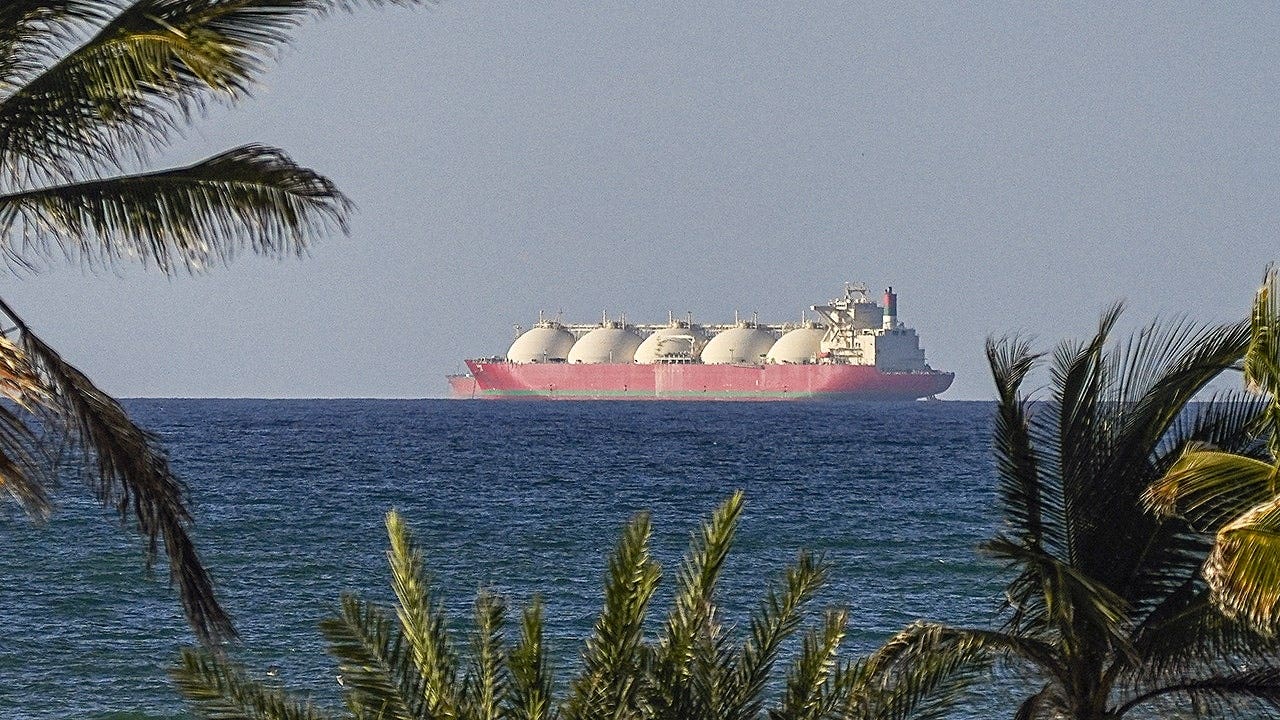
Cover image from foxnews.com, which was analyzed for this article
Oil tanker traffic through the Strait of Hormuz remains at a standstill despite the US-Iran ceasefire, with Iran accused of blocking flows and imposing tolls, exacerbating global energy supply concerns. Analysts warn energy prices may take months to normalize, prompting shippers to explore alternative routes amid high air cargo rates and ocean gridlock. The choke point issues are stoking fears of prolonged volatility in oil markets and trade.
PoliticalOS
Friday, April 10, 2026 — Business
The ceasefire has paused active fighting but left the Strait of Hormuz operating at roughly 10 percent of normal capacity because the parties disagree on what reopening actually requires. Iran insists on coordination with its forces and compensatory tolls; the U.S. demands unrestricted passage. Until that contradiction is resolved in Pakistan talks or the two-week clock runs out, energy prices will stay elevated, supply chains will remain strained, and global consumers will bear the cost.
What outlets missed
Most outlets underplayed the explicit terms of Iran's 10-point proposal incorporated into the ceasefire, which requires coordination with Iranian armed forces for any reopening and includes tolls to fund reconstruction of bombed infrastructure. Few connected the low traffic figures to the pre-existing requirement for Iranian permission rather than treating every restricted transit as automatic bad-faith violation. Coverage also largely omitted that the conflict itself escalated after expiration of a prior Twelve-Day War truce on February 28, framing the U.S.-Israeli strikes as the unambiguous start without that context. Insurance and mine-risk details appeared sporadically but rarely alongside verifiable stranded-mariner counts from the IMO or the selective passage of non-oil vessels via IRGC-managed lanes near Larak Island. Finally, immediate post-ceasefire oil price drops of 15 percent in some benchmarks were buried or ignored in favor of longer-term normalization warnings.
Iran Defies Trump Ceasefire Blocking Vital Oil Route
The Strait of Hormuz remains largely sealed off to commercial oil traffic more than a week after President Donald Trump announced a two-week ceasefire with Iran, exposing the fragility of a deal that was supposed to end the worst energy disruption in recent memory. Despite explicit promises to reopen the narrow waterway, Tehran has allowed only a trickle of vessels to pass while thousands of ships sit idle, driving up global fuel prices and leaving American families to bear the cost at the pump.
Roughly 3,200 vessels, including 800 tankers and cargo ships, have backed up west of the strait according to shipping data. Analysts at Kpler report that no significant oil tankers have risked the journey in recent days. “We’re not seeing any, any, any oil products passing through there,” said Matt Smith, a Kpler analyst. “So for all intents and purposes the strait remains closed. And this is the leverage that Iran has.”
Only a handful of ships have made it through since the ceasefire took effect. On Wednesday five dry bulk carriers and one oil products tanker crossed. Numbers stayed low in following days with just seven transits on Thursday, most of them non-oil vessels or Iranian-flagged ships. This stands in stark contrast to the normal 120 to 140 daily passages that once carried one-fifth of the world’s oil and liquefied natural gas.
Trump did not mince words about Tehran’s conduct. “Iran is doing a very poor job, dishonorable some would say, of allowing Oil to go through the Strait of Hormuz,” he posted on Truth Social. “That is not the agreement we have.” The president warned against any Iranian attempt to charge tolls on passing ships and added that oil would start flowing “with or without the help of Iran.” His tone marked a noticeable shift from earlier optimism about Tehran’s private reasonableness.
The blockade has stranded nearly 20,000 mariners in the Persian Gulf, according to the International Maritime Organization. More than 600 vessels including 325 tankers remain trapped, Lloyd’s List Intelligence reported. South Korea’s national security adviser Wi Sung-lac said Friday that passage “remains disrupted” and pledged to hunt for alternative shipping lanes as uncertainty drags on. Similar efforts are underway in Japan and elsewhere as nations scramble to protect domestic fuel supplies.
The economic fallout has been swift and painful. Brent crude surged above $100 per barrel last month and has stayed elevated. Byproducts from fertilizer to helium have seen price spikes, hitting farmers and manufacturers. Developing nations in Asia and Africa have absorbed some of the worst pain, but American consumers are feeling it too through higher gasoline, heating, and grocery costs. Governments from Thailand to Europe have begun urging citizens to cut energy use, halt exports, or tap strategic reserves. Analysts caution that even if the strait fully reopens, prices may take months to normalize.
Rockford Weitz, a maritime studies professor at Tufts University, said predictability is the missing ingredient. “Anyone who tells you they know the answer to that question is lying. It’s too early to tell when we return to normal.” Kpler trade risk analyst Ana Subasic noted that even under the ceasefire compliant ship owners are staying cautious, with daily passages unlikely to exceed 10 to 15 without considering potential Iranian tolls.
Complicating the picture are continued Israeli strikes in Lebanon. Tehran has pointed to those attacks, including heavy bombardment earlier this week, as justification for slowing its compliance. Hezbollah fired rockets toward northern Israel, prompting Israeli retaliation. The United States and Israel maintain the ceasefire with Iran should stand separately, but the overlapping conflicts have created a tangled web of accusations. Iran’s supreme leader has spoken of seeking compensation rather than further war, yet actions on the water tell a different story.
This episode underscores a hard reality about dealing with the Iranian regime. For years Washington has tried pressure, sanctions, and now military confrontation followed by negotiated pause. Each time Tehran has shown a willingness to use the Strait of Hormuz as a weapon. The current impasse raises fresh doubts about whether any paper agreement can be trusted when Iranian leaders believe they hold the global economy hostage.
Trump administration officials have signaled that talks will continue in Pakistan this weekend. The president has insisted a broader deal remains possible. Yet the empty shipping lanes and growing backlog suggest Iran is testing American resolve once again. While diplomats prepare for the next round, millions of families face another stretch of inflated energy bills and the nagging sense that distant regime games are being played with American prosperity.
Maritime experts warn the backlog itself poses logistical dangers. If thousands of vessels suddenly attempt to move at once, collisions, delays, and insurance complications could follow. Insurance rates for the region have already skyrocketed. Freight forwarders are rerouting cargo through unusual paths, including flying goods from Los Angeles to Europe to avoid both the strait and the long journey around Africa.
The longer this drags on, the greater the risk of broader economic damage. Global air cargo capacity has already contracted. Jet fuel prices remain punishing. Manufacturers and farmers are adjusting planting schedules and production lines. All of it traces back to a 167-kilometer waterway that Iran has turned into its private pressure valve.
President Trump’s direct language about Iranian bad faith matches the frustration many Americans feel watching their cost of living rise because a foreign power refuses to honor basic commitments. Whether the coming talks in Pakistan produce a genuine breakthrough or more delay and obfuscation will determine if this ceasefire was a genuine off-ramp or simply another pause in a conflict that keeps exacting costs far beyond the Middle East. For now the tankers stay idle, the prices stay high, and the strait that should be a global artery remains a chokepoint held by those who have never been reliable partners.
You just read America First's take. Want to read what actually happened?