
Hormuz Traffic Stalls Post-Ceasefire as US and Iran Trade Blame Over Tolls and Control
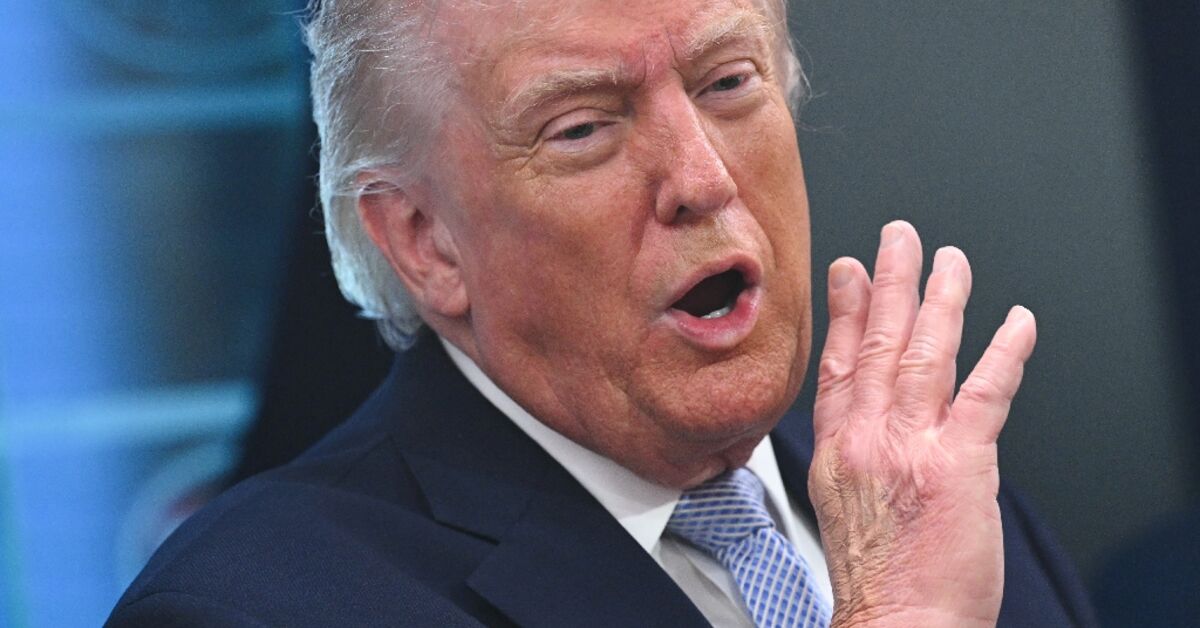
Cover image from al-monitor.com, which was analyzed for this article
Oil tanker traffic through the Strait of Hormuz remains at a standstill despite the US-Iran ceasefire, with Iran accused of blocking flows and imposing tolls, exacerbating global energy supply concerns. Analysts warn energy prices may take months to normalize, prompting shippers to explore alternative routes amid high air cargo rates and ocean gridlock. The choke point issues are stoking fears of prolonged volatility in oil markets and trade.
PoliticalOS
Friday, April 10, 2026 — Business
The ceasefire has paused active fighting but left the Strait of Hormuz operating at roughly 10 percent of normal capacity because the parties disagree on what reopening actually requires. Iran insists on coordination with its forces and compensatory tolls; the U.S. demands unrestricted passage. Until that contradiction is resolved in Pakistan talks or the two-week clock runs out, energy prices will stay elevated, supply chains will remain strained, and global consumers will bear the cost.
What outlets missed
Most outlets underplayed the explicit terms of Iran's 10-point proposal incorporated into the ceasefire, which requires coordination with Iranian armed forces for any reopening and includes tolls to fund reconstruction of bombed infrastructure. Few connected the low traffic figures to the pre-existing requirement for Iranian permission rather than treating every restricted transit as automatic bad-faith violation. Coverage also largely omitted that the conflict itself escalated after expiration of a prior Twelve-Day War truce on February 28, framing the U.S.-Israeli strikes as the unambiguous start without that context. Insurance and mine-risk details appeared sporadically but rarely alongside verifiable stranded-mariner counts from the IMO or the selective passage of non-oil vessels via IRGC-managed lanes near Larak Island. Finally, immediate post-ceasefire oil price drops of 15 percent in some benchmarks were buried or ignored in favor of longer-term normalization warnings.
Strait of Hormuz Stays Blocked Despite Ceasefire Casting Doubt on Quick Energy Recovery
The two-week ceasefire between the United States and Iran is already showing serious strain as the Strait of Hormuz remains largely closed to oil traffic, threatening to prolong the worst global energy disruption in recent memory. President Donald Trump accused Iran on Thursday of failing to honor the central condition of the truce, which hinged on reopening the narrow waterway that carries roughly one-fifth of the world's oil and liquefied natural gas. Yet maritime data shows almost no improvement in shipping volumes, with analysts warning that energy prices inflated by the conflict could take months to return to pre-war levels.
Only a handful of vessels have passed through the strait since the ceasefire took effect earlier this week. Data from Kpler, a trade intelligence firm, indicates that just seven ships transited on Thursday, down from 11 the day before and far below the normal 120 to 140 daily passages. Three of those were Iranian-flagged, while the others were dry bulk carriers. No significant oil tankers have risked the journey in recent days, according to Matt Smith, a senior analyst at the firm. A backlog of more than 3,200 vessels has formed, including roughly 800 tankers and cargo ships idling west of the strait. Nearly 20,000 mariners remain effectively stranded in the Persian Gulf, according to the International Maritime Organization.
The impasse comes ahead of scheduled talks between U.S. and Iranian officials in Pakistan this weekend. Trump, in a series of social media posts, described Iran's actions as a "very poor job, dishonorable some would say," and warned that the failure to allow oil through was not what the agreement called for. He added that oil would begin flowing "with or without the help of Iran," though he offered no specifics on enforcement. The president had sounded more optimistic days earlier, telling NBC News that Iranian leaders were "much more reasonable" in private and that a broader peace deal remained possible.
Iran has cited continued Israeli strikes in Lebanon as justification for its caution. Israel's military reported hitting rocket launchers there early Friday after attacks on northern Israel, including one missile aimed at Haifa that was intercepted. Hezbollah, the Iran-backed group, claimed responsibility for the strike on Israeli infrastructure. Tehran has argued these actions violate the spirit of the ceasefire, which was meant to pause broader regional fighting that began with U.S. and Israeli attacks on Iranian targets in late February. Those strikes prompted Iran to mine or otherwise obstruct the strait and attack energy infrastructure across several Gulf states.
The economic consequences have been immediate and widespread. Brent crude surged above $100 per barrel last month for the first time since 2022 and has stayed elevated. Prices for byproducts like helium, used in semiconductors and medical equipment, have also spiked, along with fertilizer costs that threaten agricultural seasons in developing nations. Consumers in Asia and Africa have borne much of the burden through higher fuel and food prices. Governments are responding with conservation appeals. Thailand has halted fuel exports to preserve domestic stocks. The International Energy Agency and several Asian nations have urged reduced consumption and telework where possible. South Korea's national security adviser, Wi Sung-lac, said Friday that transit remains disrupted and that Seoul would pursue alternative shipping lanes for crude and naphtha while monitoring 26 Korean-flagged vessels still trapped.
Shipping experts say the situation is more complicated than a simple on-off switch. Rockford Weitz, a professor of maritime studies at Tufts University's Fletcher School, told Al Jazeera that anyone claiming to know exactly when prices will normalize "is lying." Even if the ceasefire holds, predictable and safe passage must be reestablished before markets stabilize. Kpler analyst Ana Subasic estimated that safe daily transits might be capped at 10 to 15 vessels for some time, even without additional Iranian tolls that Trump has warned against. Some shippers are already exploring unusual routes, routing goods from Asia to Europe via Los Angeles by a combination of sea and air to avoid both the strait and the long detour around Africa. Air cargo rates from Vietnam to Europe have nearly doubled, while capacity in the Middle East has fallen more than 50 percent.
The episode underscores the fragility of improvised ceasefires in a region where multiple conflicts overlap. The original war damaged energy facilities across several countries, and the resulting supply shock has exposed how dependent the global economy remains on this single chokepoint. Alternative routes and stockpiles can blunt the worst effects but cannot replace the strait's capacity quickly. With talks looming in Pakistan, both sides appear to be using the waterway as leverage. Iran has floated the idea of charging fees for passage, a notion Trump has previously entertained in other contexts but now rejects if imposed unilaterally.
For now, the immediate question is whether the truce can be salvaged before the two-week window closes. Maritime tracking firms report that even compliant shipowners are staying cautious, unwilling to risk insurance or crew safety without clearer guarantees. The longer the strait stays effectively closed, the greater the risk that temporary price shocks harden into structural inflation and supply chain changes. Governments from East Asia to Europe are already recalibrating energy strategies, seeking diversification that was promised after past crises but never fully delivered.
The human costs are mounting alongside the economic ones. Crews aboard the stranded vessels face uncertain timelines and rising costs for provisions. Developing economies already strained by previous shocks now confront potential fertilizer shortages during critical planting periods. While diplomats prepare for the next round of negotiations, the physical reality of 3,200 ships waiting for permission to move illustrates how much work remains before the region, and the global economy that depends on it, can return to any version of normal.
You just read Liberal's take. Want to read what actually happened?