
Hormuz Traffic Stalls Post-Ceasefire as US and Iran Trade Blame Over Tolls and Control
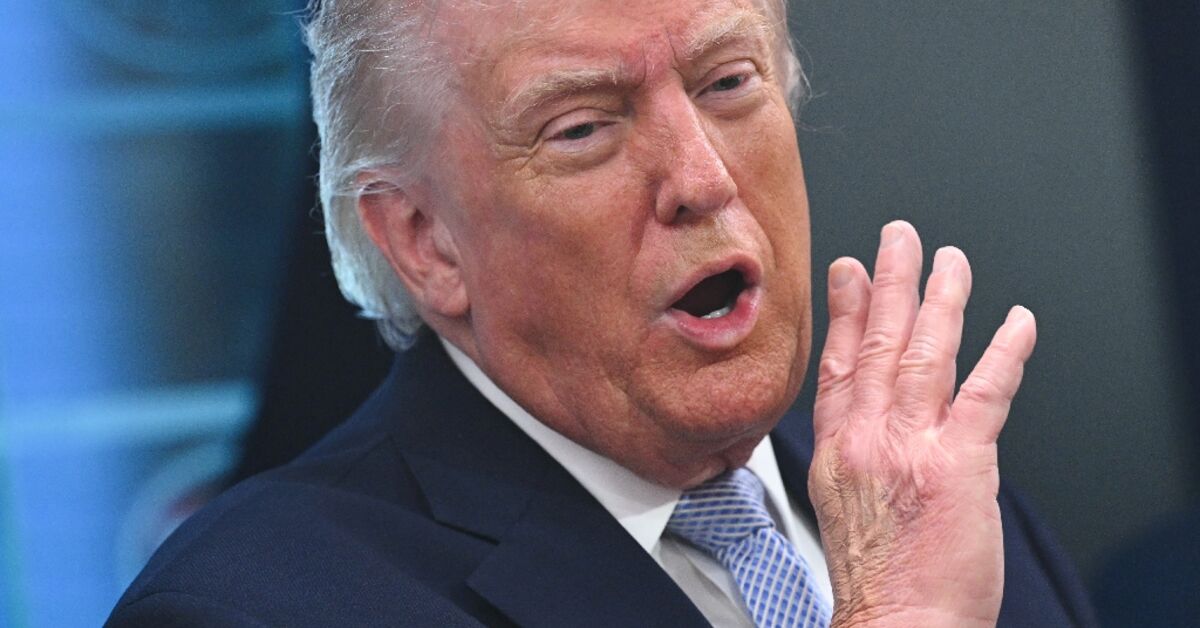
Cover image from al-monitor.com, which was analyzed for this article
Oil tanker traffic through the Strait of Hormuz remains at a standstill despite the US-Iran ceasefire, with Iran accused of blocking flows and imposing tolls, exacerbating global energy supply concerns. Analysts warn energy prices may take months to normalize, prompting shippers to explore alternative routes amid high air cargo rates and ocean gridlock. The choke point issues are stoking fears of prolonged volatility in oil markets and trade.
PoliticalOS
Friday, April 10, 2026 — Business
The ceasefire has paused active fighting but left the Strait of Hormuz operating at roughly 10 percent of normal capacity because the parties disagree on what reopening actually requires. Iran insists on coordination with its forces and compensatory tolls; the U.S. demands unrestricted passage. Until that contradiction is resolved in Pakistan talks or the two-week clock runs out, energy prices will stay elevated, supply chains will remain strained, and global consumers will bear the cost.
What outlets missed
Most outlets underplayed the explicit terms of Iran's 10-point proposal incorporated into the ceasefire, which requires coordination with Iranian armed forces for any reopening and includes tolls to fund reconstruction of bombed infrastructure. Few connected the low traffic figures to the pre-existing requirement for Iranian permission rather than treating every restricted transit as automatic bad-faith violation. Coverage also largely omitted that the conflict itself escalated after expiration of a prior Twelve-Day War truce on February 28, framing the U.S.-Israeli strikes as the unambiguous start without that context. Insurance and mine-risk details appeared sporadically but rarely alongside verifiable stranded-mariner counts from the IMO or the selective passage of non-oil vessels via IRGC-managed lanes near Larak Island. Finally, immediate post-ceasefire oil price drops of 15 percent in some benchmarks were buried or ignored in favor of longer-term normalization warnings.
Strait of Hormuz Remains Closed as Fragile US-Iran Ceasefire Unravels
Despite a two-week ceasefire announced by President Donald Trump just days ago, the Strait of Hormuz is effectively closed to oil traffic, prolonging the worst global energy disruption in recent history and raising urgent questions about the durability of a truce already strained by accusations of bad faith from all sides. Maritime tracking data shows only a trickle of vessels have passed through the narrow chokepoint since Tuesday's agreement, with analysts confirming no meaningful flow of oil tankers in recent days. A backlog of roughly 3,200 ships, including 800 tankers and cargo vessels, has formed west of the strait, leaving nearly 20,000 mariners stranded in the Persian Gulf according to the International Maritime Organization.
The waterway, which normally carries about one-fifth of the world's oil and liquefied natural gas, handled 120 to 140 transits daily before the conflict escalated. Since the ceasefire, just 10 to 17 vessels have crossed in total, mostly dry bulk carriers and a few Iranian-flagged ships. Kpler analyst Matt Smith described the situation bluntly: "We're not seeing any, any, any oil products passing through there. So, for all intents and purposes, the strait remains closed." Kpler trade risk analyst Ana Subasic added that even under optimistic scenarios, safe capacity may be limited to 10-15 passages per day at most, without accounting for any tolls or further complications.
Trump himself expressed clear frustration on Truth Social, accusing Iran of doing "a very poor job, dishonorable some would say, of allowing Oil to go through the Strait of Hormuz. That is not the agreement we have!" He warned against any Iranian attempts to impose fees on passing tankers and claimed oil would flow again "with or without the help of Iran." The remarks marked a noticeable shift from his earlier comments to NBC News, where he described himself as "very optimistic" about a broader peace deal and suggested Iranian leaders were "much more reasonable" in private.
Iran has cited continued Israeli strikes on Lebanon as justification for maintaining restrictions. On Friday, Israel's military reported hitting 10 launchers in Lebanon after rockets were fired toward northern Israel, part of what has become the heaviest barrage of the conflict in recent days. Hezbollah claimed responsibility for targeting military sites in Haifa. Tehran has described these actions as violations of the truce, while the United States and Israel maintain that the ceasefire terms focused primarily on the Hormuz reopening. Negotiations are scheduled to begin in Pakistan this weekend, but the early signs point to deep mistrust.
The economic fallout continues to ripple worldwide. Energy prices have surged since Iran initially blocked the strait in response to US and Israeli attacks that began on February 28, targeting Iranian facilities and broader regional energy infrastructure. Brent crude has remained above $100 per barrel. Byproducts like helium, critical for semiconductors and medical equipment, have also seen sharp increases, as have fertilizer prices that depend on related inputs. Developing nations in Asia and Africa, already grappling with food security challenges, have borne the brunt. Governments from Thailand to South Korea are now urging citizens to reduce consumption, halting exports in some cases to preserve domestic supplies, and scrambling for alternative shipping routes that avoid the Gulf entirely.
Experts caution that even if the ceasefire holds, a return to pre-war price levels could take months. Rockford Weitz of Tufts University's Fletcher School told Al Jazeera that anyone claiming to know the timeline "is lying," emphasizing the need for predictable, stable flows before markets can stabilize. Shippers are already adapting in unorthodox ways, routing goods through Los Angeles by air and sea to bypass both the Hormuz crisis and elevated jet fuel costs. Air cargo rates from Vietnam to Europe have nearly doubled, while capacity to the Middle East has dropped more than 50 percent.
South Korea's National Security Adviser Wi Sung-lac acknowledged Friday that transit remains "disrupted" and that uncertainty in supply chains will persist. His government is actively seeking alternative crude and naphtha sources while monitoring 26 Korean-flagged vessels still trapped. Similar concerns echo across import-dependent economies.
The ceasefire, hailed by the White House as a critical de-escalation after weeks of intense fighting, now appears under immediate pressure. With Israel continuing operations in Lebanon, Iran maintaining leverage over the world's most important energy artery, and Trump issuing public ultimatums, the path to normalized shipping and stabilized global prices remains uncertain at best. For millions already struggling with higher fuel and food costs, the human toll of this fragile truce is measured not in diplomatic statements but in prolonged economic pain that shows little sign of abating soon.
You just read Progressive's take. Want to read what actually happened?