
CPI at 4% Raises Fresh Questions on Fed Inflation Path
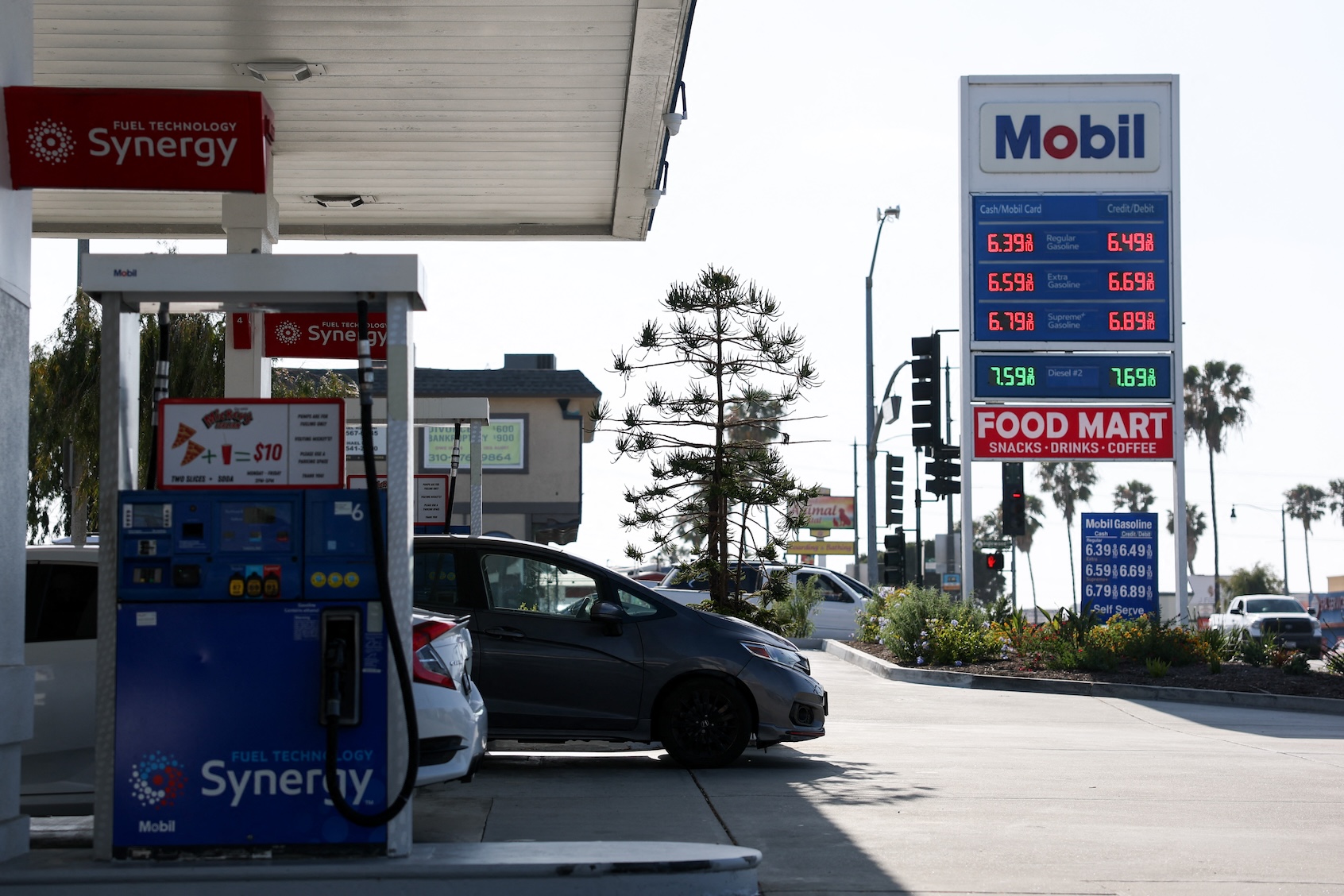
Cover image from salon.com, which was analyzed for this article
Year-over-year CPI at 4% and elevated ISM manufacturing prices paid data raised questions about the Fed's inflation fight. Markets watched for signals ahead of the June FOMC meeting amid resilient high-end spending.
PoliticalOS
Monday, June 1, 2026 — Business
The latest inflation reading at 4 percent year-over-year has introduced new uncertainty into the Fed's policy path. Markets will scrutinize signals at the June meeting for any indication that officials view the data as requiring a different response than previously signaled.
What outlets missed
Neither provided outlet addressed the specific 4 percent year-over-year CPI figure or the ISM manufacturing prices-paid component cited in the topic summary. Coverage instead focused on unrelated family matters or older PCE releases at different rates. No outlet examined the interaction between resilient high-end consumer spending and the inflation outlook ahead of the June meeting.
Inflation Spreads Beyond Fuel Costs as Broader Pressures Emerge
Recent government data shows inflation extending well past gasoline prices into housing utilities and everyday services creating fresh challenges for households and businesses. The May report released last week indicated a 3.8 percent rise in the consumer price index from a year earlier marking the quickest pace since 2021 while a core measure excluding food and energy climbed 3.3 percent. Month to month gains came in milder than forecasts yet the underlying trend points to persistence rather than a quick fade.
Analysts tracking price movements note that energy spikes tied to Middle East tensions and supply disruptions have drawn attention but they do not explain the full picture. Housing costs continue climbing with rents and ownership expenses feeding into higher utility bills. Recreational services and medical care also registered steady increases suggesting demand pressures remain embedded in several sectors. These patterns align with earlier warnings from economists who track money supply growth and federal spending patterns rather than isolated commodity shocks.
Historical episodes demonstrate that inflation rarely stays confined to one category for long. When broad monetary expansion occurs prices adjust across markets as individuals and firms seek to protect purchasing power. Past periods of loose policy followed by sudden supply constraints produced similar diffusion with housing and services lagging energy but eventually catching up. Current readings echo those sequences where initial blame on external events gave way to recognition of domestic policy settings.
Business surveys released alongside the price data reveal softening income growth and hiring plans. Employers report difficulty passing along all cost increases amid weaker consumer spending in nonessential areas. This combination of elevated prices and slowing activity creates a squeeze that hits lower income households first through reduced real wages and limited savings buffers. Long term solutions hinge on restoring incentives for production and saving rather than repeated adjustments to short term relief measures.
Policymakers face constraints because prior expansions in public outlays and regulatory burdens have narrowed the room for rapid reversal. Energy markets illustrate the point where permitting delays and restrictions on domestic output amplify global price swings. Similar dynamics appear in housing where zoning rules and financing subsidies distort supply responses. Addressing these requires consistent focus on expanding capacity instead of managing symptoms through targeted subsidies that often add to overall spending pressures.
Public understanding of these forces remains uneven with many attributing rises solely to distant conflicts or corporate decisions. Data from multiple cycles however shows that sustained inflation correlates more closely with cumulative policy choices on currency and budgets. Individuals respond rationally by adjusting behavior such as delaying purchases or shifting toward durable goods yet these adaptations do not resolve root imbalances. Effective stabilization depends on credible commitments to restrain money creation and prioritize growth oriented reforms over redistribution schemes.
The latest figures underscore that energy serves as an early signal rather than the sole driver. Without adjustments to underlying incentives inflation risks settling into a higher range affecting investment decisions and intergenerational wealth transfers. Families planning major events or education expenses encounter added uncertainty as real returns on savings diminish. Markets will continue to price in these realities through interest rates and asset valuations until policy settings demonstrate durability.
You just read Conservative's take. Want to read what actually happened?
More in Business & Economy

Stocks Rise on Earnings as Home Sales Hit Low
Major indices closed mixed to higher, led by healthcare and defensive stocks, as companies like Eli Lilly and UnitedHealth reported strong results. Pending home sales hit record lows.

US Stocks Mixed as Tech Rebounds on AI Optimism
The Dow slipped slightly while the S&P 500 and Nasdaq rose, led by Nvidia, AMD, and Intel gains on renewed AI sector confidence after prior drops. Broader market volatility tied to earnings and data center demand.

Trump Unveils $8 Billion Diesel Relief for Farmers
The Agriculture Department launched the program to offset record diesel prices for farmers, framed as economic aid and a midterm pitch in Kansas amid ongoing inflation and energy cost pressures.

CPI Rises to 3.7 Percent as Energy Costs Climb Amid Iran Conflict
Hotter-than-expected CPI figures fueled rate hike fears and contributed to sharp declines in AI and tech stocks. Left and right economic commentary debates Trump policies versus Fed actions.
The Compass
You just read five takes on one story.
What's your take? Find your political shape in a few minutes.
Take the test