
CPI at 4% Raises Fresh Questions on Fed Inflation Path
Cover image from salon.com, which was analyzed for this article
Year-over-year CPI at 4% and elevated ISM manufacturing prices paid data raised questions about the Fed's inflation fight. Markets watched for signals ahead of the June FOMC meeting amid resilient high-end spending.
PoliticalOS
Monday, June 1, 2026 — Business
The latest inflation reading at 4 percent year-over-year has introduced new uncertainty into the Fed's policy path. Markets will scrutinize signals at the June meeting for any indication that officials view the data as requiring a different response than previously signaled.
What outlets missed
Neither provided outlet addressed the specific 4 percent year-over-year CPI figure or the ISM manufacturing prices-paid component cited in the topic summary. Coverage instead focused on unrelated family matters or older PCE releases at different rates. No outlet examined the interaction between resilient high-end consumer spending and the inflation outlook ahead of the June meeting.
Inflation Creeps Into Everyday Costs Leaving Families Squeezed
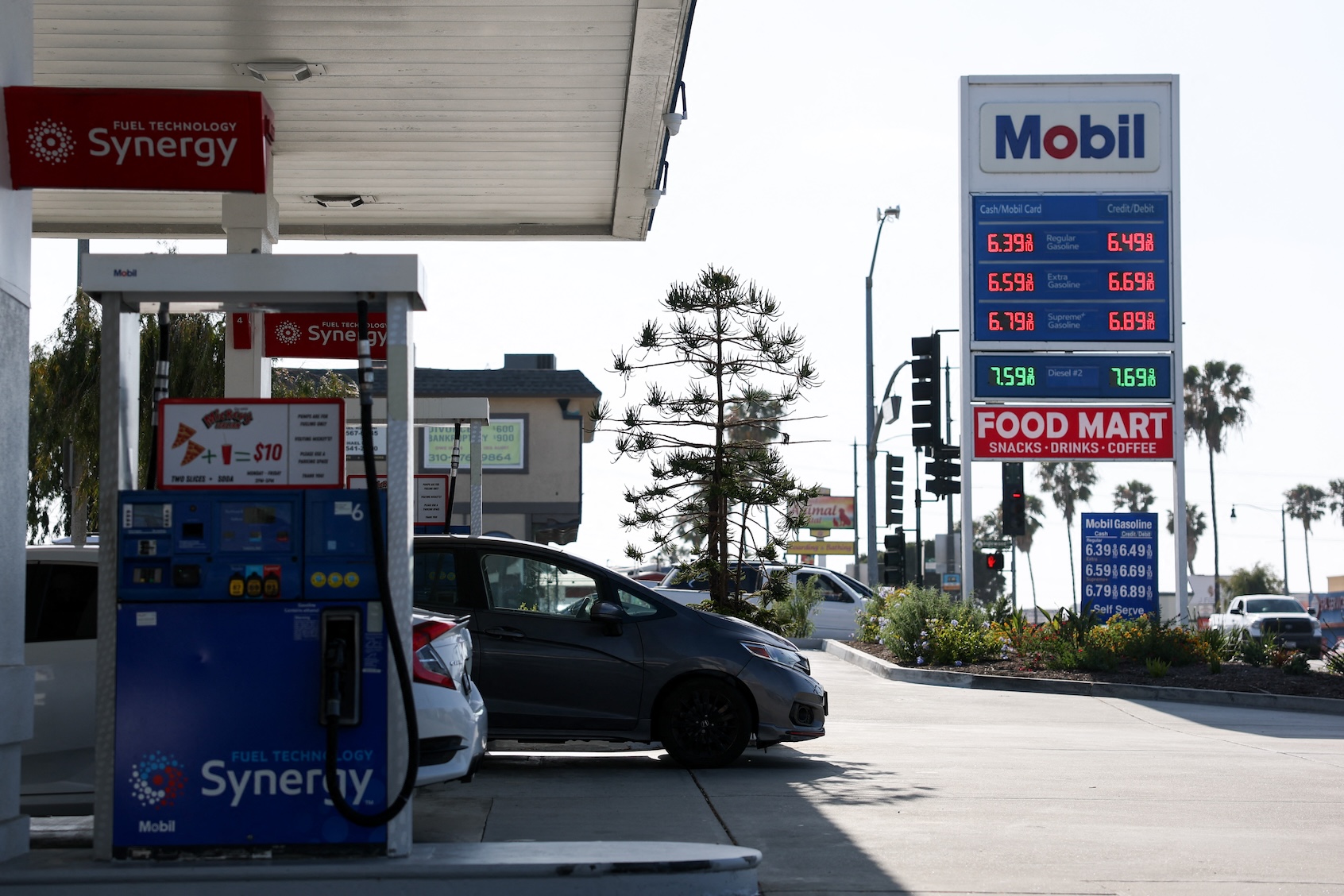
Fresh government numbers confirm what drivers have known for months at the pump. Gasoline prices remain stuck above four dollars a gallon after the Middle East conflict shut the Strait of Hormuz, but the latest data shows price pressures have moved well beyond fuel. Housing, utilities and even recreational spending now push the broader cost of living higher, with the year-over-year reading hitting 3.8 percent in the latest report. That is the quickest pace since 2021, and the core measure that strips out food and energy still rose 3.3 percent.
Ordinary households feel the difference every month. Rent and mortgage payments keep climbing in most regions while electricity and water bills arrive larger than last year. Families trying to take children to a ballgame or a weekend outing notice the added expense before they even leave the driveway. The data arrived on May 28 and painted a mixed picture on the surface, yet the underlying trend points to inflation that refuses to stay contained.
Policymakers had hoped the spike would prove temporary and tied only to energy shocks. Instead the numbers suggest wider damage. Slower income growth and weaker economic readings accompany the price increases, which means paychecks cover less ground. Working Americans who do not enjoy government salaries or large investment portfolios absorb the hit directly. They cut back on groceries, delay car repairs and stretch every tank of gas further than before.
The conflict overseas supplies one clear trigger for fuel costs, yet domestic factors compound the problem. Loose spending in recent years and regulatory barriers that limit domestic production have left the economy more exposed. When energy prices rise, the ripple reaches landlords setting new leases and utility companies passing along higher generation costs. Those secondary effects now register in official statistics rather than remaining isolated anecdotes.
Business owners report the same pattern. Suppliers raise prices on materials, forcing restaurants and retailers to adjust menus and shelves. Customers respond by buying fewer items or choosing cheaper substitutes. The result is thinner margins for small operators and less choice for shoppers. None of this appears in the tidy summaries that accompany the monthly release, but it shows up in conversations at kitchen tables across the country.
The administration continues to describe the situation as manageable, yet the pace of price growth contradicts that claim. Excluding volatile categories still leaves a stubborn increase that matches or exceeds earlier peaks. Housing costs in particular resist quick fixes because new construction faces permitting delays and material shortages that predate the current energy spike. Utilities face similar constraints from aging infrastructure and shifting regulations.
Americans do not require another press release to recognize the strain. They see it when filling the tank, opening the electric bill or planning a modest vacation. The latest figures simply confirm that the problem has spread beyond one sector and settled into the basic expenses that shape daily life. Until policy changes address both the foreign supply shock and the domestic barriers that keep costs elevated, families will continue adjusting to a thinner budget and fewer options.
You just read America First's take. Want to read what actually happened?
More in Business & Economy

Stocks Rise on Earnings as Home Sales Hit Low
Major indices closed mixed to higher, led by healthcare and defensive stocks, as companies like Eli Lilly and UnitedHealth reported strong results. Pending home sales hit record lows.

US Stocks Mixed as Tech Rebounds on AI Optimism
The Dow slipped slightly while the S&P 500 and Nasdaq rose, led by Nvidia, AMD, and Intel gains on renewed AI sector confidence after prior drops. Broader market volatility tied to earnings and data center demand.

Trump Unveils $8 Billion Diesel Relief for Farmers
The Agriculture Department launched the program to offset record diesel prices for farmers, framed as economic aid and a midterm pitch in Kansas amid ongoing inflation and energy cost pressures.

CPI Rises to 3.7 Percent as Energy Costs Climb Amid Iran Conflict
Hotter-than-expected CPI figures fueled rate hike fears and contributed to sharp declines in AI and tech stocks. Left and right economic commentary debates Trump policies versus Fed actions.
The Compass
You just read five takes on one story.
What's your take? Find your political shape in a few minutes.
Take the test