
CPI at 4% Raises Fresh Questions on Fed Inflation Path
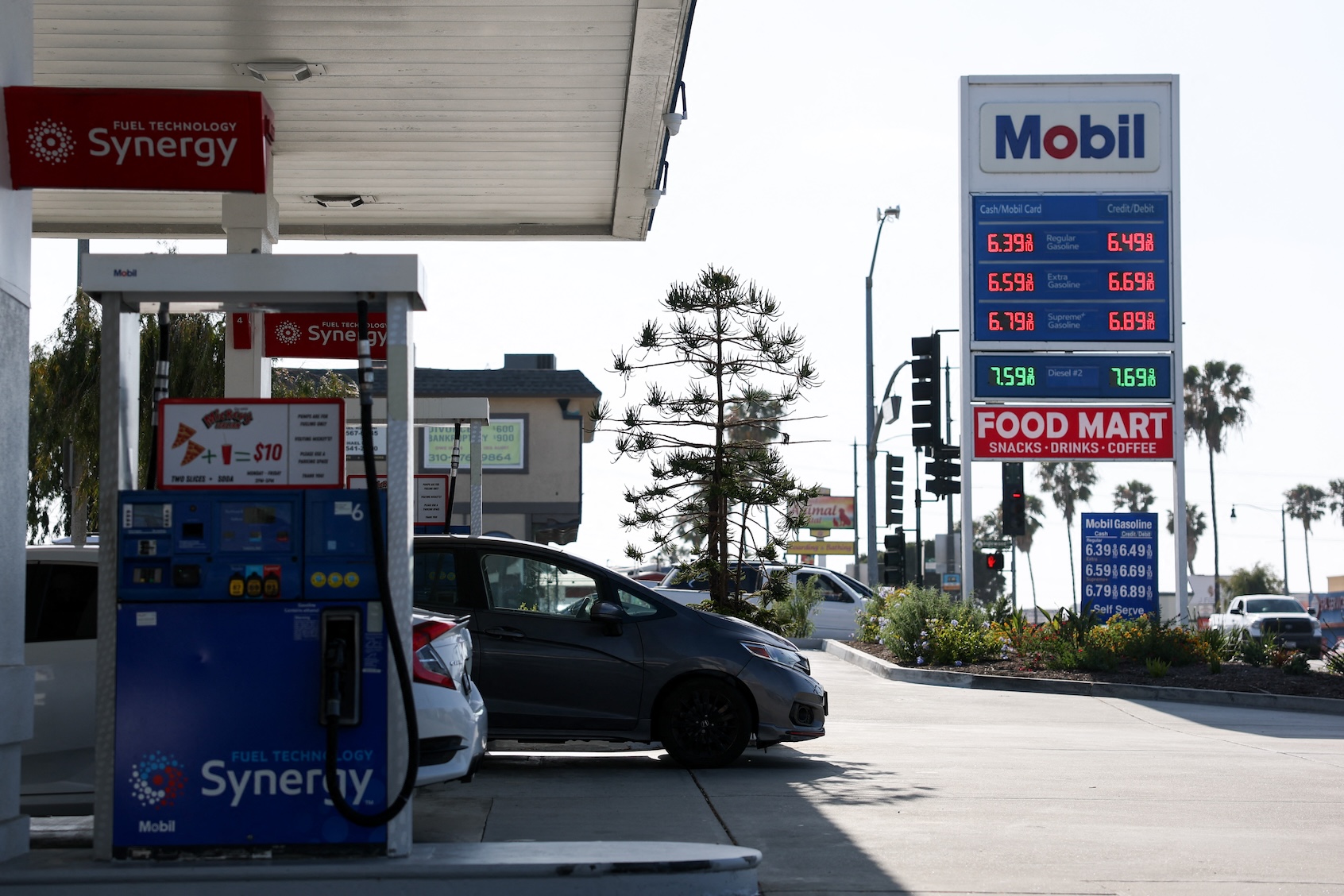
Cover image from salon.com, which was analyzed for this article
Year-over-year CPI at 4% and elevated ISM manufacturing prices paid data raised questions about the Fed's inflation fight. Markets watched for signals ahead of the June FOMC meeting amid resilient high-end spending.
PoliticalOS
Monday, June 1, 2026 — Business
The latest inflation reading at 4 percent year-over-year has introduced new uncertainty into the Fed's policy path. Markets will scrutinize signals at the June meeting for any indication that officials view the data as requiring a different response than previously signaled.
What outlets missed
Neither provided outlet addressed the specific 4 percent year-over-year CPI figure or the ISM manufacturing prices-paid component cited in the topic summary. Coverage instead focused on unrelated family matters or older PCE releases at different rates. No outlet examined the interaction between resilient high-end consumer spending and the inflation outlook ahead of the June meeting.
Inflation Spreads Through US Economy Beyond Just Gasoline Prices
Recent government data released at the end of May shows inflation accelerating at a pace that extends well past the visible pain at the pump. The year-over-year increase reached 3.8 percent, the quickest clip since 2021, while a core measure excluding food and energy rose 3.3 percent. Although the monthly gain came in softer than forecasters had projected, the underlying figures point to price pressures moving into housing, utilities, and recreational services even as overall economic growth shows signs of softening.
Gasoline prices above four dollars a gallon, driven by conflict in the Middle East and the closure of the Strait of Hormuz, have already reshaped household budgets. The new report indicates those costs are no longer isolated. Shelter and utility expenses continue to climb, and spending on leisure activities is adding to the total. At the same time, weaker income growth and slower job gains suggest households may soon face tighter constraints on what they can afford.
Policymakers have been watching for exactly this kind of diffusion. When price increases remain concentrated in energy, there is more room to treat them as temporary. Once they appear in rent, electricity bills, and discretionary services, the risk grows that higher costs become embedded in wage negotiations and long-term contracts. The data released May 28 offers mixed signals rather than a clear signal of either rapid cooling or runaway acceleration, leaving the Federal Reserve with a narrower set of comfortable options.
Businesses are already adjusting. Some have begun passing along higher input costs more broadly, while others report difficulty maintaining margins without raising prices. The combination of elevated core inflation and decelerating demand creates an environment in which companies must choose between absorbing costs or risking lower sales volumes. Historical patterns show that such choices can prolong inflationary episodes even after the original shock, in this case geopolitical, begins to fade.
For households the effects are uneven. Higher-income families with more discretionary spending feel the pinch in recreation and travel first. Lower-income families, already spending larger shares of income on shelter and utilities, face compounded pressure as those categories remain sticky. The absence of strong wage growth in the latest figures means real purchasing power is eroding for many even before summer energy bills arrive in full.
The report does not yet indicate whether the recent moderation in monthly gains will persist. Analysts will look to subsequent releases for confirmation that the broader categories are turning. Until then, the evidence suggests inflation has settled into a wider set of prices than the initial gasoline surge alone would have implied, complicating the path back to price stability.
You just read Liberal's take. Want to read what actually happened?
More in Business & Economy

Stocks Rise on Earnings as Home Sales Hit Low
Major indices closed mixed to higher, led by healthcare and defensive stocks, as companies like Eli Lilly and UnitedHealth reported strong results. Pending home sales hit record lows.

US Stocks Mixed as Tech Rebounds on AI Optimism
The Dow slipped slightly while the S&P 500 and Nasdaq rose, led by Nvidia, AMD, and Intel gains on renewed AI sector confidence after prior drops. Broader market volatility tied to earnings and data center demand.

Trump Unveils $8 Billion Diesel Relief for Farmers
The Agriculture Department launched the program to offset record diesel prices for farmers, framed as economic aid and a midterm pitch in Kansas amid ongoing inflation and energy cost pressures.

CPI Rises to 3.7 Percent as Energy Costs Climb Amid Iran Conflict
Hotter-than-expected CPI figures fueled rate hike fears and contributed to sharp declines in AI and tech stocks. Left and right economic commentary debates Trump policies versus Fed actions.
The Compass
You just read five takes on one story.
What's your take? Find your political shape in a few minutes.
Take the test