
CPI at 4% Raises Fresh Questions on Fed Inflation Path
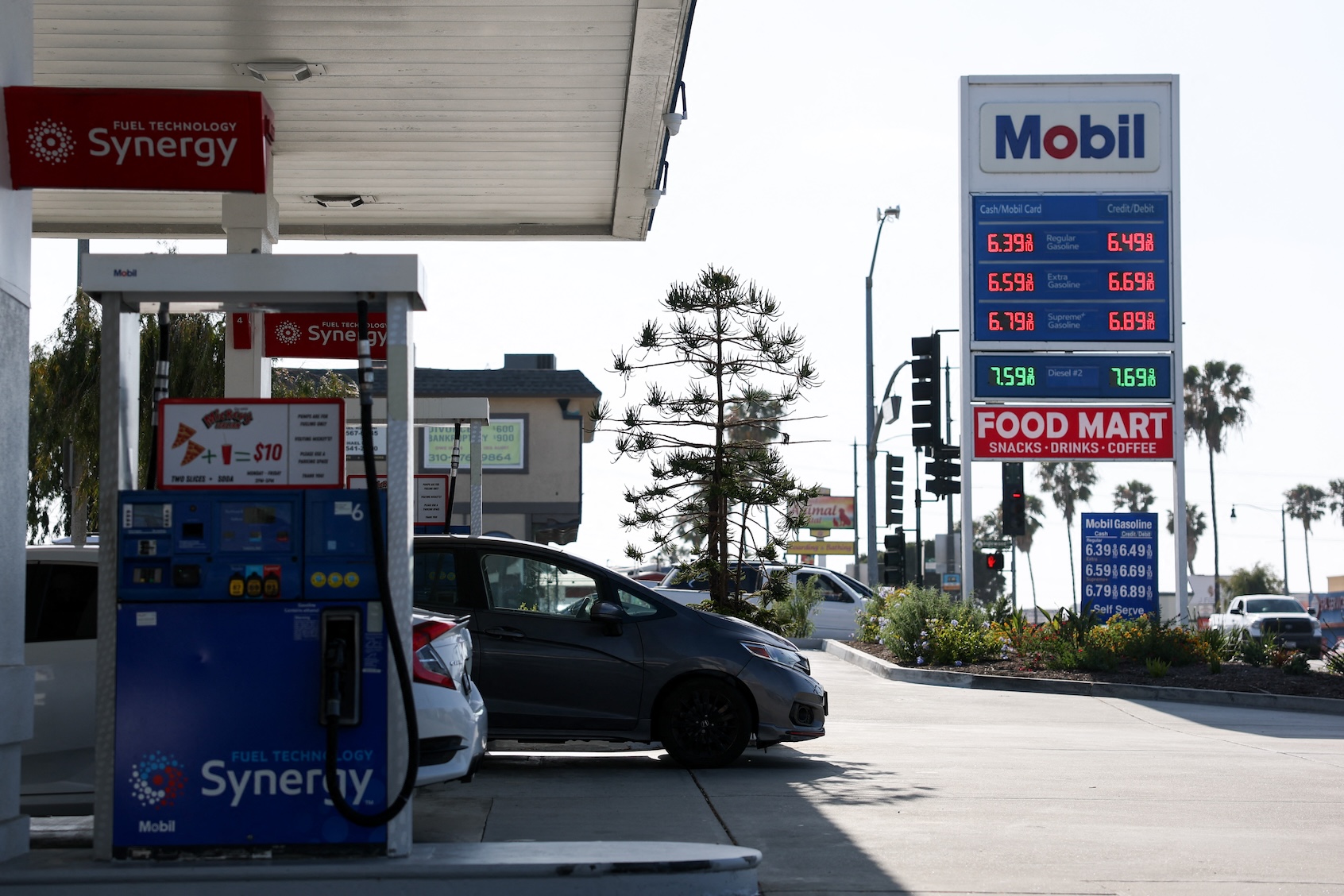
Cover image from salon.com, which was analyzed for this article
Year-over-year CPI at 4% and elevated ISM manufacturing prices paid data raised questions about the Fed's inflation fight. Markets watched for signals ahead of the June FOMC meeting amid resilient high-end spending.
PoliticalOS
Monday, June 1, 2026 — Business
The latest inflation reading at 4 percent year-over-year has introduced new uncertainty into the Fed's policy path. Markets will scrutinize signals at the June meeting for any indication that officials view the data as requiring a different response than previously signaled.
What outlets missed
Neither provided outlet addressed the specific 4 percent year-over-year CPI figure or the ISM manufacturing prices-paid component cited in the topic summary. Coverage instead focused on unrelated family matters or older PCE releases at different rates. No outlet examined the interaction between resilient high-end consumer spending and the inflation outlook ahead of the June meeting.
Inflation Pressures Mount Across US Economy as Gas Prices Fuel Broader Concerns
The latest consumer price data released at the end of May has confirmed what many American households already feel at the pump and in their monthly budgets. Inflation is no longer confined to volatile energy costs but is seeping into housing, utilities, and everyday services, raising alarms that the current spike could prove more stubborn than officials initially hoped.
Gasoline prices have climbed above four dollars a gallon nationally, driven by the ongoing conflict in the Middle East and the closure of the Strait of Hormuz. The May 28 report showed a 3.8 percent year-over-year increase in the consumer price index, the quickest pace since 2021. Even when stripping out the often erratic food and energy categories, core inflation rose 3.3 percent, indicating that underlying price pressures are taking hold.
Housing costs and utility bills continue to push the index higher, while spending on recreation has added to the strain. At the same time, separate indicators point to a cooling economy, with income growth slowing and job market momentum easing. This combination leaves families squeezed between rising costs and weaker wage gains.
Analysts tracking business and investment trends note that companies are passing along higher input costs in sectors far removed from oil. The data suggests policymakers face a difficult path ahead, one where traditional tools to tame prices risk further slowing an already fragile recovery. For ordinary workers, the effect is immediate, as higher prices for essentials erode purchasing power without corresponding relief in other areas of the economy.
The report arrives as broader indicators show mixed signals. Month-to-month gains came in softer than forecasts, yet the annual pace keeps inflation firmly above targets set by the Federal Reserve. This persistence has prompted fresh debate over how long elevated prices will linger and whether additional measures will be needed to prevent a wider entrenchment.
Families across income levels are feeling the cumulative impact. Energy shocks have historically rippled outward, and current readings show that pattern repeating. Recreational services and shelter costs, which often lag behind headline energy moves, are now contributing steady upward pressure. Without a quick resolution to supply disruptions abroad, domestic price levels could remain elevated into the second half of the year.
The situation underscores the challenge of balancing growth with price stability at a moment when external shocks continue to dominate. While some relief in energy markets could ease headline numbers, the spread into core categories suggests the problem has already moved beyond a single sector.
You just read Progressive's take. Want to read what actually happened?
More in Business & Economy

Stocks Rise on Earnings as Home Sales Hit Low
Major indices closed mixed to higher, led by healthcare and defensive stocks, as companies like Eli Lilly and UnitedHealth reported strong results. Pending home sales hit record lows.

US Stocks Mixed as Tech Rebounds on AI Optimism
The Dow slipped slightly while the S&P 500 and Nasdaq rose, led by Nvidia, AMD, and Intel gains on renewed AI sector confidence after prior drops. Broader market volatility tied to earnings and data center demand.

Trump Unveils $8 Billion Diesel Relief for Farmers
The Agriculture Department launched the program to offset record diesel prices for farmers, framed as economic aid and a midterm pitch in Kansas amid ongoing inflation and energy cost pressures.

CPI Rises to 3.7 Percent as Energy Costs Climb Amid Iran Conflict
Hotter-than-expected CPI figures fueled rate hike fears and contributed to sharp declines in AI and tech stocks. Left and right economic commentary debates Trump policies versus Fed actions.
The Compass
You just read five takes on one story.
What's your take? Find your political shape in a few minutes.
Take the test