
CPI Rises to 3.7 Percent as Energy Costs Climb Amid Iran Conflict
Cover image from cbsnews.com, which was analyzed for this article
Hotter-than-expected CPI figures fueled rate hike fears and contributed to sharp declines in AI and tech stocks. Left and right economic commentary debates Trump policies versus Fed actions.
PoliticalOS
Saturday, October 17, 2026 — Business
Inflation has reached 3.7 percent with energy prices from the Iran conflict cited as the main driver, while the administration argues recovery requires more than 18 months. Public approval on the economy remains low ahead of midterms, and the central unresolved question is how much of the increase stems from policy choices versus inherited price levels.
What outlets missed
No outlet supplied detailed breakdowns of CPI components beyond the headline 3.7 percent figure or prior 9.1 percent peak. The absence of energy price indices, oil supply data, or Federal Reserve statements left causation claims unverified by multiple sources. Coverage also omitted any direct administration response to the specific 3.7 percent reading or reactions from congressional Republicans facing reelection.
Inflation Climbs to 3.7 Percent as Energy Costs Rise From Iran Conflict
Inflation increased to 3.7 percent in the most recent consumer price index report ahead of the midterm elections. The figure remains well below the 9.1 percent peak recorded during the prior administration yet provides little relief for congressional Republicans facing narrow majorities in competitive districts.
President Donald Trump's approval rating on economic matters stands at 33.8 percent according to the RealClearPolitics average of polls. Approval specifically on inflation management registers at 27.2 percent with nearly 70 percent expressing disapproval. A separate Fox News survey this month showed 77 percent disapproving of the administration's handling of inflation against 22 percent in approval. These numbers frame an electoral environment that poses clear challenges for the Republican Party.
The latest uptick traces primarily to higher energy prices triggered by the conflict with Iran. That development follows a policy decision to initiate military action that has proven difficult to conclude. Earlier warnings from political allies about the inflationary risks of such steps echoed similar cautions issued during the previous term when additional stimulus measures coincided with the end of lockdowns. In both cases the sequence of events produced measurable pressure on prices through supply constraints and increased government spending.
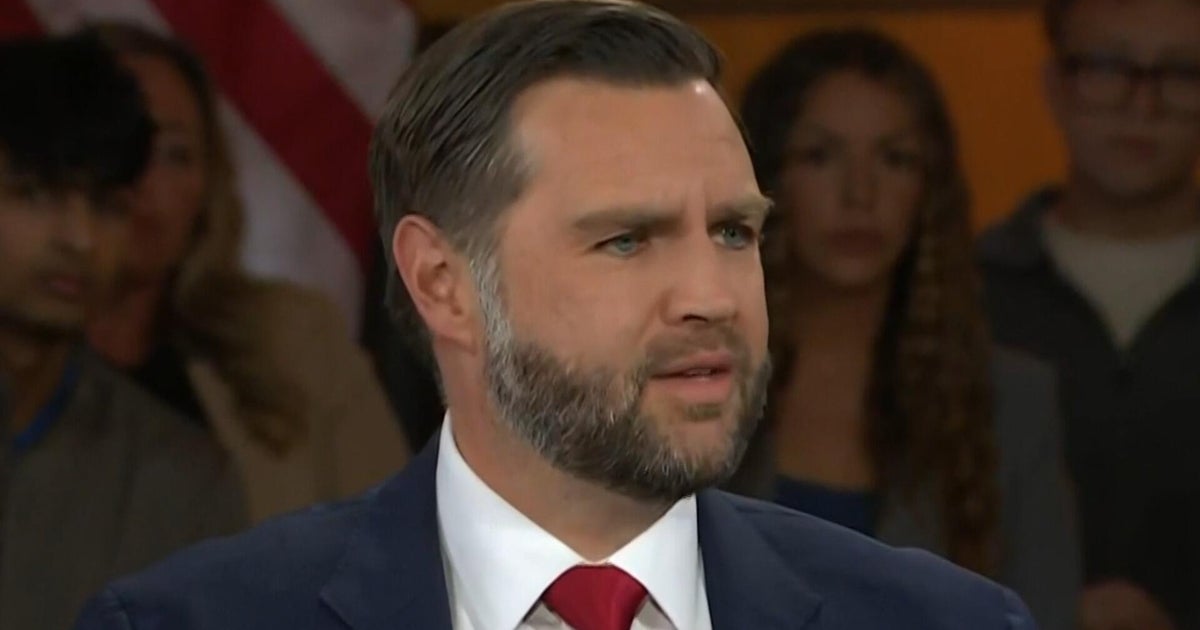
Vice President JD Vance addressed public concerns during a town hall event in Michigan. He stated that economic problems did not develop in a single term and would require more than 18 months to address. Vance described the administration's approach as an effort to turn the ship around while noting that new investments must first translate into completed factories and jobs. President Trump has assessed the administration's economic performance as an A plus. Polls indicate most voters attribute current dissatisfaction with the economy and inflation directly to the policies now in place.
Data from multiple surveys show consistent patterns of public frustration over rising costs. Energy price increases tied to the Iran situation have contributed to the broader index movement. Historical records demonstrate that sustained military engagements often coincide with elevated commodity prices and subsequent effects on consumer costs. The current report reflects those dynamics without evidence of rapid reversal.
Administration statements emphasize long-term adjustments over immediate results. Yet the polling data reveal limited confidence that such adjustments will materialize before voters render judgments in the midterms. Energy markets remain sensitive to developments in the Middle East where the conflict continues without a clear endpoint.
Economic indicators continue to register the cumulative impact of policy choices on both fiscal and foreign fronts. The 3.7 percent inflation rate stands as the latest empirical measure of those effects ahead of the elections.
You just read Conservative's take. Want to read what actually happened?
More in Business & Economy

Business Activity Holds Up as Selling Prices Rise Fastest Since 2022
S&P Global PMI shows robust activity but selling prices rise at fastest pace since 2022 amid energy and supply chain costs. Halloween candy prices jump 7.7%.

Stock Futures Climb on Anthropic IPO Filing and AI Financing
Major indices rose on enthusiasm from Anthropic's IPO filing and broader AI infrastructure announcements including Meta's massive fundraising plans. Investors are betting heavily on continued AI growth despite valuation concerns.

Tariffs and AI Transition Fuel Growth and Job Worries
Trump's tariff rhetoric and AI-driven restructuring raised concerns about growth, inflation, and job impacts as markets reacted to geopolitical and tech shifts.

AI Companies Weigh Early IPOs as Risks Mount
Nasdaq fell sharply amid concerns over AI spending sustainability and data center costs; Nvidia, Meta, and others were hit as Meta and Tesla reported earnings.
The Compass
You just read five takes on one story.
What's your take? Find your political shape in a few minutes.
Take the test