
CPI Rises to 3.7 Percent as Energy Costs Climb Amid Iran Conflict
Cover image from cbsnews.com, which was analyzed for this article
Hotter-than-expected CPI figures fueled rate hike fears and contributed to sharp declines in AI and tech stocks. Left and right economic commentary debates Trump policies versus Fed actions.
PoliticalOS
Saturday, October 17, 2026 — Business
Inflation has reached 3.7 percent with energy prices from the Iran conflict cited as the main driver, while the administration argues recovery requires more than 18 months. Public approval on the economy remains low ahead of midterms, and the central unresolved question is how much of the increase stems from policy choices versus inherited price levels.
What outlets missed
No outlet supplied detailed breakdowns of CPI components beyond the headline 3.7 percent figure or prior 9.1 percent peak. The absence of energy price indices, oil supply data, or Federal Reserve statements left causation claims unverified by multiple sources. Coverage also omitted any direct administration response to the specific 3.7 percent reading or reactions from congressional Republicans facing reelection.
Trump's Iran War Sends Inflation Higher and Hurts American Families
Inflation climbed to 3.7 percent in the latest consumer price index report just weeks before the midterm elections. The rise comes mainly from higher energy costs tied to the ongoing conflict with Iran that President Trump launched earlier this year. That figure remains below the 9.1 percent peak reached under the previous administration, yet it offers little relief to households facing elevated prices at the pump and in grocery aisles.
Polls reflect widespread frustration. Trump's approval on the economy stands at 33.8 percent in the RealClearPolitics average. On inflation alone, approval drops to 27.2 percent, with nearly 70 percent disapproving. A recent Fox News survey showed 77 percent disapproval of the administration's handling of rising costs. Republicans enter the midterms defending narrow majorities in Congress under these conditions, and competitive Senate races already show signs of strain.
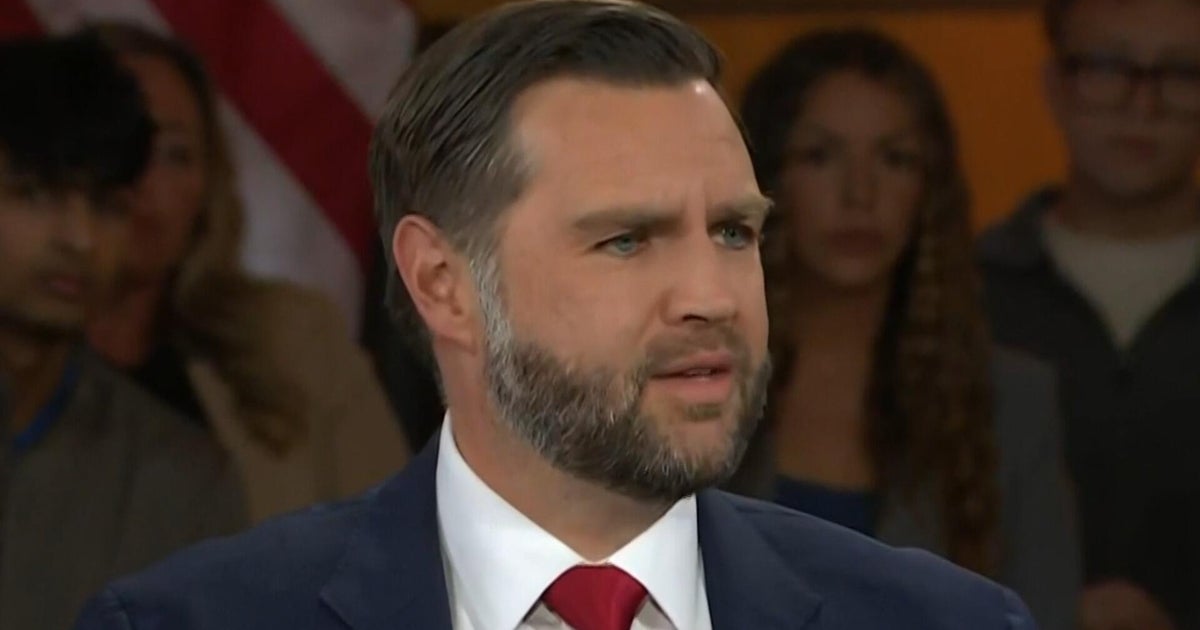
Vice President JD Vance addressed voter concerns during a town hall in Michigan. He told attendees that fixing long-standing economic problems requires more than 18 months. "We're turning the ship around," Vance said, pointing to new investments in domestic manufacturing. He noted that factories must be built before jobs appear, and he urged patience. President Trump has given his own administration an A-plus on economic performance, emphasizing incoming capital and long-term growth.
Critics argue the current inflation stems directly from policy choices made in Washington. The Iran conflict has disrupted energy markets in ways that echo earlier warnings about supply shocks. Just as the prior administration pushed additional stimulus at an awkward economic moment, the decision to enter the Iran fight has added fresh pressure on prices without a clear exit strategy. Energy costs have risen sharply since operations began, feeding through to broader consumer goods.
Voters in battleground areas express direct concern. Small business owners report higher operating expenses that make expansion difficult. National polling shows most Americans dissatisfied with the economic direction and inclined to assign responsibility to the current administration's decisions. The combination of persistent inflation and foreign entanglement leaves little margin for error as Republicans seek to hold Congress.
The situation underscores how quickly promises of relief can collide with the realities of global commitments. Energy price spikes have historically punished working households more than any other group, and current data shows those pressures building again. With the midterms approaching, the economic environment remains challenging for the party in power, driven in large part by the costs of the Iran campaign that shows no sign of winding down.
You just read America First's take. Want to read what actually happened?
More in Business & Economy

Business Activity Holds Up as Selling Prices Rise Fastest Since 2022
S&P Global PMI shows robust activity but selling prices rise at fastest pace since 2022 amid energy and supply chain costs. Halloween candy prices jump 7.7%.

Stock Futures Climb on Anthropic IPO Filing and AI Financing
Major indices rose on enthusiasm from Anthropic's IPO filing and broader AI infrastructure announcements including Meta's massive fundraising plans. Investors are betting heavily on continued AI growth despite valuation concerns.

Tariffs and AI Transition Fuel Growth and Job Worries
Trump's tariff rhetoric and AI-driven restructuring raised concerns about growth, inflation, and job impacts as markets reacted to geopolitical and tech shifts.

AI Companies Weigh Early IPOs as Risks Mount
Nasdaq fell sharply amid concerns over AI spending sustainability and data center costs; Nvidia, Meta, and others were hit as Meta and Tesla reported earnings.
The Compass
You just read five takes on one story.
What's your take? Find your political shape in a few minutes.
Take the test