
Diesel at Record Highs Amid Persistent Inflation Strains Households
Cover image from crooksandliars.com, which was analyzed for this article
Inflation remains high across sectors while diesel fuel prices hit record levels, raising costs for farmers, transportation, and consumers amid global supply tensions. Federal Reserve officials and administration figures offered competing assessments of economic conditions.
PoliticalOS
Monday, September 21, 2026 — Business
Record diesel prices and still-elevated inflation are raising costs across supply chains while administration officials cite growth metrics and the Fed cites inflation risks. The central unresolved tension is whether recent price stability and GDP gains will ease household pressures before the November midterms.
What outlets missed
The $97 billion extra fuel cost cited by one outlet lacks sourcing or methodology and could not be independently verified. Coverage of cumulative versus peak inflation measures appeared in only one transcript, leaving readers without context on how each metric is calculated. No outlet supplied comparative international data on post-pandemic recovery or detailed the specific 1970s embargo statutes Grassley referenced. Political reactions from Republican lawmakers concerned about midterm losses received minimal attention beyond a single paragraph.
Diesel fuel prices reached an average of $6.51 per gallon, an all-time high, while broader inflation measures remain elevated and mortgage rates have topped 7 percent. These developments raise costs for farmers, truckers and consumers at a time when the 10-year Treasury yield has climbed roughly 100 basis points since late February and briefly exceeded 5 percent.
The increases coincide with the U.S. and Israel conflict with Iran that began in late February. Treasury Secretary Scott Bessent met Chinese Vice Premier He Lifeng over the weekend to discuss trade and artificial intelligence ahead of a planned summit between Presidents Xi Jinping and Donald Trump. On Sept. 10 the Treasury conducted a $5 billion buyback of 10-year and 20-year notes that Bessent later described to the House Financial Services Committee as successful because yields would otherwise have risen further.
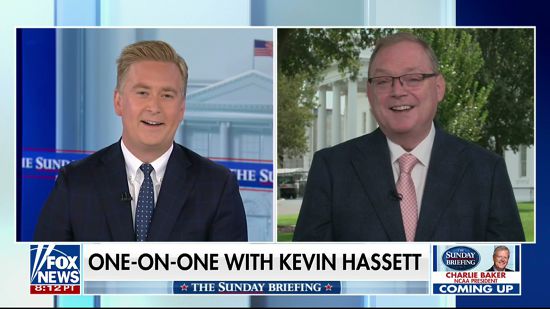
The Federal Open Market Committee raised its benchmark rate target to 3.75-4 percent on Sept. 16, citing elevated inflation. President Trump, who appointed Fed Chair Kevin Warsh, had urged lower rates yet told reporters he advised Warsh the vote would not matter. White House economic adviser Kevin Hassett told Fox News that third-quarter GDP is tracking at 5 percent, jobless claims are at the lowest level since World War II, and inflation has fallen sharply in recent months after cumulative price increases of about 20 percent during the prior administration.
Sen. Chuck Grassley proposed emergency diesel embargoes modeled on 1970s measures or limits on oil-company margins for domestic sales to farmers and truckers. The suggestions drew criticism on social media for resembling price controls. Polls cited in the same period showed only 23 percent of voters rating the economy excellent or good and 62 percent calling grocery prices a major problem.
Bessent noted that the U.S. bond market has outperformed other developed markets since Trump took office. Hassett pointed to declining drug prices and real income growth as evidence of improvement, while acknowledging that many households still feel prices are too high. No independent verification of a $97 billion aggregate extra fuel cost figure has appeared in other reporting.
More in Business & Economy

S&P 500, Nasdaq Hit Records on AI Stocks and Falling Oil
The S&P 500 and Nasdaq hit records with gains led by Meta, AMD and other AI stocks after strong Muse AI adoption and falling oil prices.

Paramount Settles State Lawsuit to Advance $110B Warner Bros Discovery Merger
David Ellison cleared multistate legal hurdles for the $110 billion media merger creating a larger entertainment and news company.

Oil Nears $96 as Houthi Strikes Threaten Red Sea Routes
Oil neared $96 per barrel and US gas hit $4.48 per gallon amid Iran-related conflicts, Houthi threats, and Strait of Hormuz concerns, pressuring consumers and markets.
Fed Raises Rates 0.25 Points to Fight Inflation Despite Trump Pushback
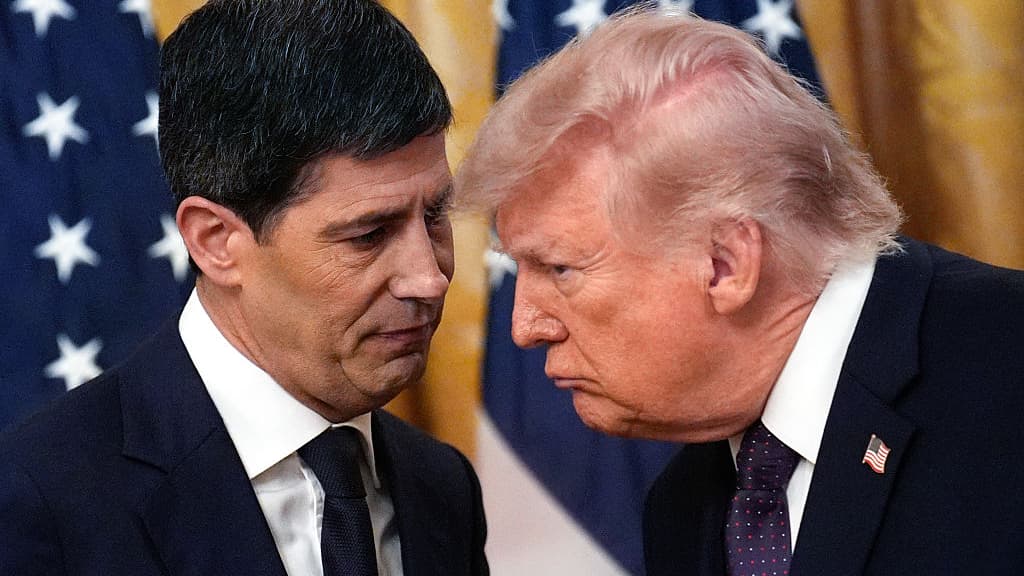
The Federal Reserve hiked its benchmark rate by 0.25 points in a unanimous vote, its first since 2023, to combat inflation tied to energy shocks. President Trump publicly attacked the decision and called for cuts weeks before midterms.
The Compass
You just read five takes on one story.
What's your take? Find your political shape in a few minutes.
Take the test