
Diesel at Record Highs Amid Persistent Inflation Strains Households
Cover image from crooksandliars.com, which was analyzed for this article
Inflation remains high across sectors while diesel fuel prices hit record levels, raising costs for farmers, transportation, and consumers amid global supply tensions. Federal Reserve officials and administration figures offered competing assessments of economic conditions.
PoliticalOS
Monday, September 21, 2026 — Business
Record diesel prices and still-elevated inflation are raising costs across supply chains while administration officials cite growth metrics and the Fed cites inflation risks. The central unresolved tension is whether recent price stability and GDP gains will ease household pressures before the November midterms.
What outlets missed
The $97 billion extra fuel cost cited by one outlet lacks sourcing or methodology and could not be independently verified. Coverage of cumulative versus peak inflation measures appeared in only one transcript, leaving readers without context on how each metric is calculated. No outlet supplied comparative international data on post-pandemic recovery or detailed the specific 1970s embargo statutes Grassley referenced. Political reactions from Republican lawmakers concerned about midterm losses received minimal attention beyond a single paragraph.
Grassley Calls for Limits on Oil Profits as Diesel Prices Hit Record Highs
Senator Chuck Grassley of Iowa urged the Trump administration this weekend to restrict the profit margins that oil companies earn when selling diesel fuel to American farmers and truckers. The proposal follows sharp increases in fuel costs linked to the ongoing conflict with Iran that began in late February. Average diesel prices reached $6.51 per gallon by Monday, and analysts estimate Americans have paid roughly $97 billion more for fuel since the conflict started.
Grassley first suggested reviving 1970s-style emergency embargoes on diesel exports. When major oil firms indicated such measures were impractical, he shifted to calling for voluntary or mandated reductions in domestic profit margins on sales to key U.S. users. In a post on X, he wrote that companies need not earn the same returns on American agricultural and trucking customers as they do on foreign sales, invoking an "America First" framing.
The suggestion drew immediate criticism from observers who noted its resemblance to past attempts at government-directed price restraints. Historical records show that similar interventions during the 1970s produced widespread shortages and allocation problems rather than stable supplies. Economists have long documented how caps on returns reduce incentives for increased production and efficient distribution, often shifting costs to other parts of the economy or to future periods.
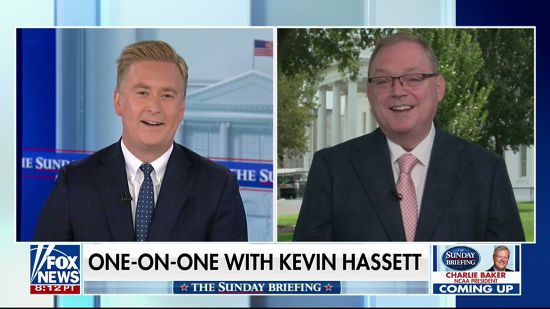
Administration officials have sought to place the price increases in a broader context of economic performance. White House economic adviser Kevin Hassett pointed to third-quarter GDP growth projected at 5 percent, recent job gains, and real income improvements as evidence of underlying strength. He attributed unfavorable polling on consumer sentiment partly to survey samples that overrepresent one political group and argued that media coverage overlooks data on falling drug prices and affordability gains in certain sectors.
Treasury Secretary Scott Bessent, meanwhile, addressed concerns over borrowing costs during an appearance scheduled for Monday morning. Yields on the 10-year Treasury note have climbed more than 100 basis points since the Iran conflict began, pushing mortgage rates above 7 percent in recent weeks. Bessent highlighted a recent $5 billion buyback of longer-term Treasury securities and ongoing discussions with Chinese officials on trade and technology risks ahead of a summit between the two nations' leaders.
Data from government statistical agencies show that energy prices remain sensitive to supply disruptions tied to geopolitical events. Past episodes of price spikes have typically resolved through expanded domestic output and shifts in consumption patterns rather than through mandated changes in company margins. Records from earlier decades indicate that attempts to shield specific domestic buyers from market prices frequently created imbalances, with reduced availability for other users and delayed investment in new capacity.
Grassley's remarks come as lawmakers weigh responses to cost pressures affecting agriculture and freight industries. Critics of the proposal argue that directing private firms to forgo returns on particular sales introduces political criteria into commercial decisions, a practice that tends to expand over time and complicate resource allocation across sectors. Supporters maintain that temporary restraints can protect vulnerable domestic operations during periods of elevated global prices.
Market participants continue to monitor developments in the Middle East and any policy signals from Washington. Historical evidence suggests that adjustments in exploration, refining, and transportation respond most directly to sustained price signals rather than to calls for selective profit adjustments.
You just read Conservative's take. Want to read what actually happened?
More in Business & Economy

Business Activity Holds Up as Selling Prices Rise Fastest Since 2022
S&P Global PMI shows robust activity but selling prices rise at fastest pace since 2022 amid energy and supply chain costs. Halloween candy prices jump 7.7%.

Stock Futures Climb on Anthropic IPO Filing and AI Financing
Major indices rose on enthusiasm from Anthropic's IPO filing and broader AI infrastructure announcements including Meta's massive fundraising plans. Investors are betting heavily on continued AI growth despite valuation concerns.

Tariffs and AI Transition Fuel Growth and Job Worries
Trump's tariff rhetoric and AI-driven restructuring raised concerns about growth, inflation, and job impacts as markets reacted to geopolitical and tech shifts.

AI Companies Weigh Early IPOs as Risks Mount
Nasdaq fell sharply amid concerns over AI spending sustainability and data center costs; Nvidia, Meta, and others were hit as Meta and Tesla reported earnings.
The Compass
You just read five takes on one story.
What's your take? Find your political shape in a few minutes.
Take the test