
Diesel at Record Highs Amid Persistent Inflation Strains Households
Cover image from crooksandliars.com, which was analyzed for this article
Inflation remains high across sectors while diesel fuel prices hit record levels, raising costs for farmers, transportation, and consumers amid global supply tensions. Federal Reserve officials and administration figures offered competing assessments of economic conditions.
PoliticalOS
Monday, September 21, 2026 — Business
Record diesel prices and still-elevated inflation are raising costs across supply chains while administration officials cite growth metrics and the Fed cites inflation risks. The central unresolved tension is whether recent price stability and GDP gains will ease household pressures before the November midterms.
What outlets missed
The $97 billion extra fuel cost cited by one outlet lacks sourcing or methodology and could not be independently verified. Coverage of cumulative versus peak inflation measures appeared in only one transcript, leaving readers without context on how each metric is calculated. No outlet supplied comparative international data on post-pandemic recovery or detailed the specific 1970s embargo statutes Grassley referenced. Political reactions from Republican lawmakers concerned about midterm losses received minimal attention beyond a single paragraph.
Grassley Pushes Back on Big Oil Profits as Diesel Costs Soar From Iran Conflict
Senator Chuck Grassley is pressing the Trump administration to take direct action on diesel fuel prices that have climbed to record levels following the U.S. entry into conflict with Iran. The Iowa Republican suggested emergency export restrictions modeled on 1970s policies and later urged oil companies to accept lower margins on sales to American farmers and truckers rather than matching foreign profit rates.
Diesel now averages $6.51 a gallon nationwide, according to recent market data. Grassley noted that major oil firms rejected the embargo idea outright. In response he posted that companies do not need to extract the same returns from domestic customers as they do overseas, framing the request as consistent with an America First approach. The proposal comes after Americans have spent roughly $97 billion more on fuel since the fighting began in late February.
Critics quickly labeled the profit-margin suggestion a form of price control typically associated with left-wing governments. Former West Virginia state senator Richard Ojeda asked on social media whether Grassley had changed his long-standing opposition to socialist policies. Grassley has spent decades criticizing government interference in markets, yet the current spike in energy costs has prompted him to seek relief for key domestic industries that rely on diesel.
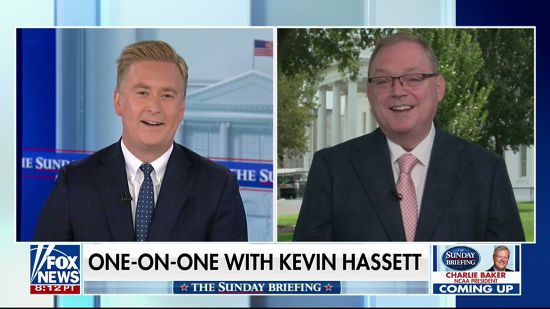
The broader economic picture shows continued strain on household budgets. Treasury yields on 10-year notes have risen above 5 percent for the first time since 2007, pushing mortgage rates over 7 percent. Polling indicates only 23 percent of voters rate the economy as excellent or good, while 62 percent cite grocery and fuel costs as major problems. White House economic adviser Kevin Hassett has attributed negative survey results to oversampling of Democrats and pointed to third-quarter GDP growth near 5 percent along with recent job gains. Treasury Secretary Scott Bessent has met with Chinese officials to discuss trade and technology issues ahead of a planned summit, while acknowledging affordability pressures.
Grassley’s intervention highlights a tension inside Republican circles between support for the Iran operation and the immediate costs borne by working Americans. Export restrictions or mandated margin reductions would mark a sharp departure from the administration’s earlier emphasis on deregulation and expanded domestic production. Oil executives have so far shown little willingness to absorb lower returns on U.S. sales when global prices remain elevated by supply disruptions.
The episode also underscores how quickly energy shocks can affect sectors far from the battlefield. Farmers preparing for harvest and trucking fleets moving goods face the steepest increases, raising the prospect of higher food prices in coming months. Grassley has not detailed enforcement mechanisms for his margin proposal, leaving open questions about whether voluntary compliance would be enough to ease the burden.
You just read America First's take. Want to read what actually happened?
More in Business & Economy

Business Activity Holds Up as Selling Prices Rise Fastest Since 2022
S&P Global PMI shows robust activity but selling prices rise at fastest pace since 2022 amid energy and supply chain costs. Halloween candy prices jump 7.7%.

Stock Futures Climb on Anthropic IPO Filing and AI Financing
Major indices rose on enthusiasm from Anthropic's IPO filing and broader AI infrastructure announcements including Meta's massive fundraising plans. Investors are betting heavily on continued AI growth despite valuation concerns.

Tariffs and AI Transition Fuel Growth and Job Worries
Trump's tariff rhetoric and AI-driven restructuring raised concerns about growth, inflation, and job impacts as markets reacted to geopolitical and tech shifts.

AI Companies Weigh Early IPOs as Risks Mount
Nasdaq fell sharply amid concerns over AI spending sustainability and data center costs; Nvidia, Meta, and others were hit as Meta and Tesla reported earnings.
The Compass
You just read five takes on one story.
What's your take? Find your political shape in a few minutes.
Take the test