
Iran Conflict Pushes Gas to $4.52, Testing Households and Trump Support
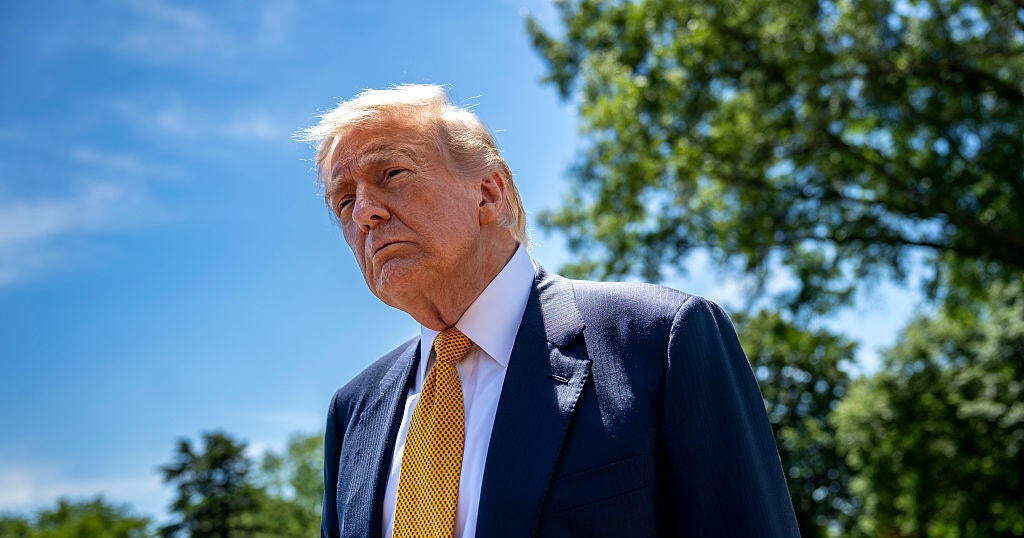
Cover image from cbsnews.com, which was analyzed for this article
Elevated gas and goods prices tied to foreign conflicts are straining households, with Trump's downplaying of concerns drawing criticism for appearing out of touch.
PoliticalOS
Sunday, May 17, 2026 — Business
Rising energy costs from the Iran conflict are producing measurable household strain and eroding short-term economic approval for the president. Voters will decide in November whether they view these effects as temporary wartime costs or lasting policy shortcomings. Cross-referencing primary price data and full poll crosstabs provides the clearest picture beyond any single narrative.
What outlets missed
Most coverage omitted month-over-month Bureau of Labor Statistics gasoline price components showing a 28.4 percent jump alongside the overall 0.6 percent CPI rise. Few reports included prior historical spikes during earlier Strait of Hormuz tensions for context on volatility patterns. Administration statements on projected post-conflict price declines and specific relief measures under discussion received minimal detail compared with criticism of presidential remarks. Long-term poll breakdowns showing Republican patience on inflation versus stronger support on other issues were often collapsed into broad negativity.
Economic Strain Deepens as Inflation and Conflict Test Public Confidence
Americans are feeling more financial pressure than they did a year ago, according to a new CBS News poll that shows declining optimism about the economy and rising stress over daily costs. Three-quarters of respondents said their incomes are not keeping pace with inflation, while feelings of security and contentment have dropped noticeably from last spring. The survey captures a public mood shaped by higher prices at the pump and broader uncertainty about where the economy is headed.
Gasoline now averages $4.52 a gallon nationally, a jump of more than 40 percent over the past year, driven by the ongoing conflict in Iran and disruptions in the Strait of Hormuz. That increase has rippled through household budgets, affecting commuting costs and the price of goods that rely on trucking and shipping. Consumer prices rose at their fastest pace in roughly three years last month, outpacing wage growth, while business costs climbed at rates unseen since 2022. Families are carrying more debt and setting aside less in savings, and a key consumer-confidence index reached an all-time low this month.
President Trump, who campaigned on bringing prices down after taking office in January 2025, now faces broad disapproval for his handling of these pressures. The CBS poll found that neither party is viewed positively on the cost of living, yet frustration has concentrated more sharply on the administration’s approach. When asked recently whether Americans’ financial difficulties would push him toward a deal to end the Iran conflict, Trump replied that he does not think about their situation at all. Critics have pointed to that comment, along with visible spending on White House renovations and frequent social-media posts about personal projects, as evidence of a disconnect between the president’s circumstances and those of most households.
The poll also highlights longer-term worries that extend beyond the current spike in energy prices. A growing share of Americans believe their generation has fewer opportunities than their parents did. Concerns about artificial intelligence displacing jobs have become more widespread, adding to a sense that structural changes in the economy are outpacing wage gains for many workers. These views cut across partisan lines in the survey, though Democrats and independents express greater pessimism about near-term conditions.
Political consequences are already visible. Recent surveys show Trump’s overall approval on the economy trailing earlier levels, with the combination of higher costs and geopolitical tension testing the patience of voters who helped elect him on promises of relief. The next national election remains months away, yet the data suggest that continued price pressure could shape voter assessments of both parties’ economic competence. For now, the public registers clear dissatisfaction with the trajectory of prices and the clarity of the administration’s response.
You just read Liberal's take. Want to read what actually happened?
More in Business & Economy

Stocks Rise on Earnings as Home Sales Hit Low
Major indices closed mixed to higher, led by healthcare and defensive stocks, as companies like Eli Lilly and UnitedHealth reported strong results. Pending home sales hit record lows.

US Stocks Mixed as Tech Rebounds on AI Optimism
The Dow slipped slightly while the S&P 500 and Nasdaq rose, led by Nvidia, AMD, and Intel gains on renewed AI sector confidence after prior drops. Broader market volatility tied to earnings and data center demand.

Trump Unveils $8 Billion Diesel Relief for Farmers
The Agriculture Department launched the program to offset record diesel prices for farmers, framed as economic aid and a midterm pitch in Kansas amid ongoing inflation and energy cost pressures.
CPI Rises to 3.7 Percent as Energy Costs Climb Amid Iran Conflict
Hotter-than-expected CPI figures fueled rate hike fears and contributed to sharp declines in AI and tech stocks. Left and right economic commentary debates Trump policies versus Fed actions.
The Compass
You just read five takes on one story.
What's your take? Find your political shape in a few minutes.
Take the test