
Iran Conflict Pushes Gas to $4.52, Testing Households and Trump Support
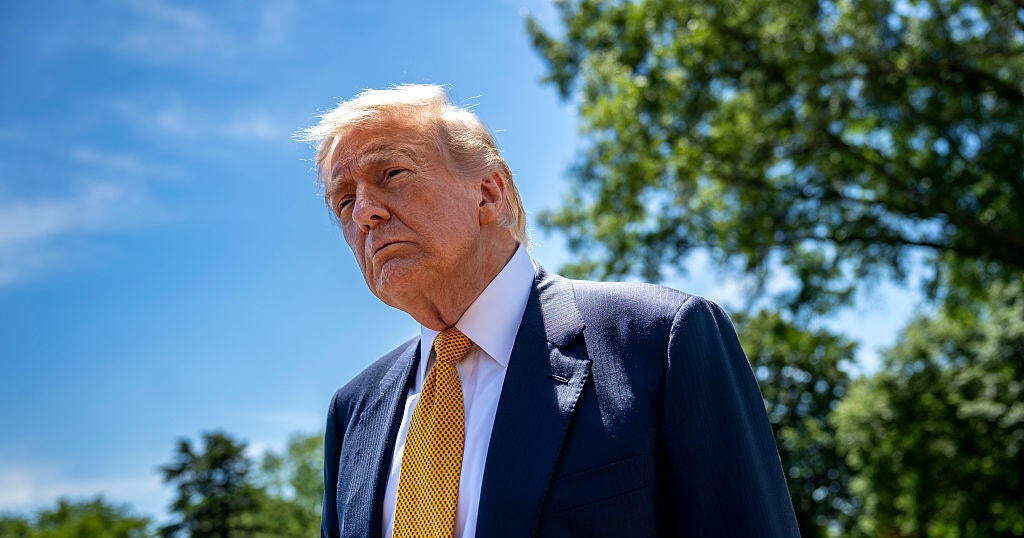
Cover image from cbsnews.com, which was analyzed for this article
Elevated gas and goods prices tied to foreign conflicts are straining households, with Trump's downplaying of concerns drawing criticism for appearing out of touch.
PoliticalOS
Sunday, May 17, 2026 — Business
Rising energy costs from the Iran conflict are producing measurable household strain and eroding short-term economic approval for the president. Voters will decide in November whether they view these effects as temporary wartime costs or lasting policy shortcomings. Cross-referencing primary price data and full poll crosstabs provides the clearest picture beyond any single narrative.
What outlets missed
Most coverage omitted month-over-month Bureau of Labor Statistics gasoline price components showing a 28.4 percent jump alongside the overall 0.6 percent CPI rise. Few reports included prior historical spikes during earlier Strait of Hormuz tensions for context on volatility patterns. Administration statements on projected post-conflict price declines and specific relief measures under discussion received minimal detail compared with criticism of presidential remarks. Long-term poll breakdowns showing Republican patience on inflation versus stronger support on other issues were often collapsed into broad negativity.
Americans Face Mounting Financial Strain as Trump's Iran War Fuels Inflation and Public Discontent
A new CBS News poll reveals deepening anxiety among Americans over their personal finances, with economic optimism sliding to levels unseen since 2023 and widespread frustration directed at President Trump's handling of inflation and living costs. Three-quarters of respondents said their incomes are failing to keep pace with rising prices, while growing numbers describe the economy as uncertain in both the short and long term. The findings arrive as consumer data shows prices climbing at their fastest pace in three years, fueled in large part by the ongoing U.S. conflict with Iran that has driven national gasoline averages to $4.52 per gallon.
That figure represents a more than 40 percent increase from a year earlier, according to AAA tracking, and has added pressure to household budgets already stretched by higher costs for goods and services. Families are taking on additional debt while cutting back on savings, and a key gauge of consumer confidence has reached an all-time low. These trends coincide with political surveys showing broad disapproval of Trump's economic stewardship, a reversal from the voter frustrations that helped return him to office in 2024 on promises to lower prices.
The war in Iran and resulting volatility in the Strait of Hormuz have left many without clear answers on energy costs or future supply stability. Poll respondents linked immediate worries about gas prices to this lack of clarity, while longer-term concerns include the potential for artificial intelligence to displace jobs and a sense that economic opportunities have worsened compared with those available to their parents' generation. Neither major party registers as net positive in public assessments of efforts to ease the cost of living.
Critics have pointed to recent remarks by Trump as evidence of a disconnect between the president's personal circumstances and the pressures facing ordinary households. When asked whether Americans' financial difficulties would prompt him to pursue a deal to end the conflict, Trump replied that the hardship was not motivating him "even a little bit." He added that he does not "think about Americans' financial situation," comments that opponents say reflect the perspective of a billionaire with extensive real estate holdings and business interests rather than the daily realities of wage earners.
Trump has long presented his background in business and real estate as an asset for addressing national economic challenges. Yet the combination of renewed inflation, energy price spikes tied directly to foreign policy decisions, and public polling on stress and uncertainty has intensified questions about the administration's priorities. Reports from the past two weeks have documented rising business costs not seen since 2022, alongside the erosion of consumer purchasing power as wages lag behind price increases.
The poll also captured broader unease about economic mobility, with a growing share of Americans viewing their prospects as diminished relative to previous generations. These sentiments come against a backdrop of political calculations ahead of future elections, where economic performance has historically played a central role in voter judgments. As gas prices and overall inflation continue to register in daily life, the data indicate that public patience with the current trajectory is wearing thin.
You just read Progressive's take. Want to read what actually happened?
More in Business & Economy

Stocks Rise on Earnings as Home Sales Hit Low
Major indices closed mixed to higher, led by healthcare and defensive stocks, as companies like Eli Lilly and UnitedHealth reported strong results. Pending home sales hit record lows.

US Stocks Mixed as Tech Rebounds on AI Optimism
The Dow slipped slightly while the S&P 500 and Nasdaq rose, led by Nvidia, AMD, and Intel gains on renewed AI sector confidence after prior drops. Broader market volatility tied to earnings and data center demand.

Trump Unveils $8 Billion Diesel Relief for Farmers
The Agriculture Department launched the program to offset record diesel prices for farmers, framed as economic aid and a midterm pitch in Kansas amid ongoing inflation and energy cost pressures.
CPI Rises to 3.7 Percent as Energy Costs Climb Amid Iran Conflict
Hotter-than-expected CPI figures fueled rate hike fears and contributed to sharp declines in AI and tech stocks. Left and right economic commentary debates Trump policies versus Fed actions.
The Compass
You just read five takes on one story.
What's your take? Find your political shape in a few minutes.
Take the test