
Inflation hits three-year high amid Iran conflict and Trump remarks
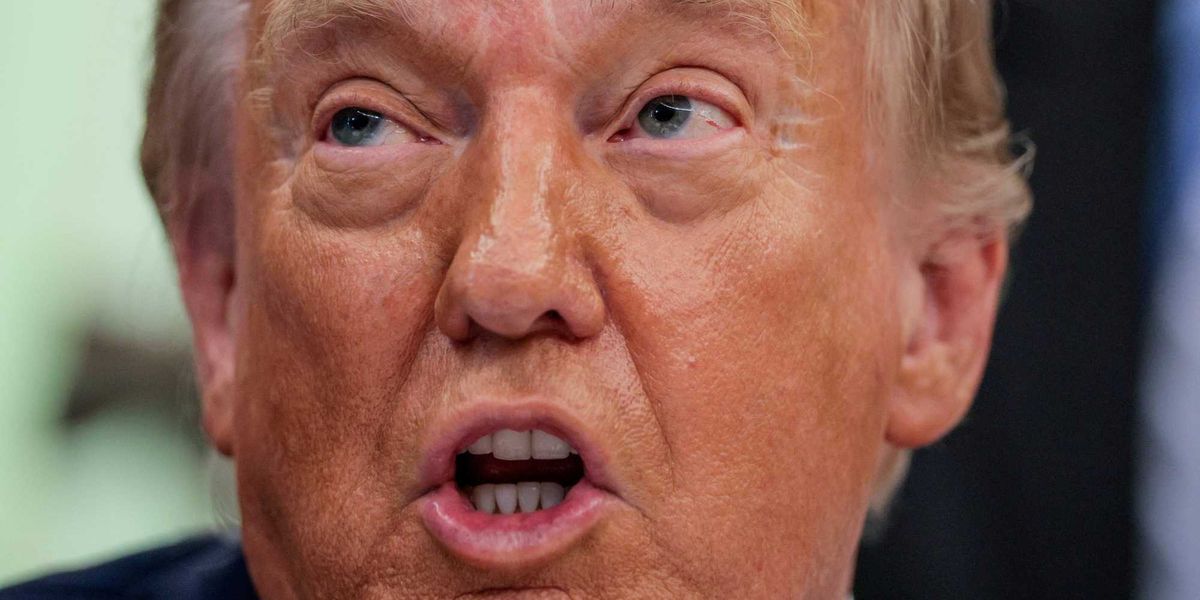
Cover image from rawstory.com, which was analyzed for this article
Annual CPI rose sharply due to energy prices linked to Iran tensions. Trump stated he loves the inflation, providing Democrats with midterm messaging while oil executives warn of worsening gas prices.
PoliticalOS
Thursday, June 11, 2026 — Business
Energy-driven inflation at a three-year high coincides with private warnings of further gasoline price spikes and public remarks by the president that opponents are already using in midterm messaging. The central unresolved tension is whether the conflict's supply effects will ease before political costs mount.
What outlets missed
Most coverage omitted the precise inventory drawdown timeline projected by industry models and the administration's cited releases of 172 million barrels from reserves. Few outlets detailed the Federal Reserve's upcoming rate decision under new leadership or the $1.85 per gallon Iowa price Trump referenced as a pre-conflict benchmark. The gap between public executive warnings and private administration briefings on summer supply risks also received limited attention.
Inflation Surges to Three-Year High as Energy Costs Erase Real Wage Gains
New figures from the Bureau of Labor Statistics show consumer prices rose 4.2 percent over the past year through May, the fastest pace in three years. The increase was driven primarily by higher energy costs tied to disruptions in global oil markets following the conflict involving Iran.
Inflation-adjusted compensation for workers stands just 0.1 percent above levels from January 2025, effectively flat after earlier gains. This development reverses what had been one of the clearer positive economic indicators in recent data. Energy prices have climbed as the Strait of Hormuz faces severe restrictions, limiting passage for roughly one-fifth of world oil shipments and tightening supplies.
Industry executives have warned administration officials that commercial and government fuel inventories are depleting rapidly. Some could reach critically low levels within weeks, coinciding with peak summer demand. Analysts note that current stockpiles have so far cushioned the full impact of supply constraints, but further draws could push gasoline prices higher in coming months.
President Trump stated that he loves the inflation numbers because they remain lower than some projections despite wartime conditions. He later told the New York Post that the remark referred to the gap between actual and anticipated rates, adding that prices would fall once the conflict ends. The president also pointed to reported nighttime operations securing oil supplies and predicted a return to lower energy costs seen in early 2026.
The data illustrate how external shocks to energy markets transmit directly into broader price levels. Past episodes show that sustained energy price spikes tend to reduce household purchasing power even when nominal wages continue to rise. Real compensation measures capture this effect by adjusting for changes in the cost of living.
Administration statements have emphasized that the inflation rate would moderate after the conflict concludes. Historical patterns from prior oil supply interruptions suggest that price relief can occur once shipping lanes stabilize, though the timing depends on inventory rebuilds and production responses. Oil executives speaking to officials have stressed that current trends point to further upward pressure on costs before any reversal.
The latest readings mark a departure from the more contained inflation path observed earlier in the year. With real wages showing no meaningful net advance since the start of 2025, the figures highlight the sensitivity of household budgets to energy market volatility.
You just read Conservative's take. Want to read what actually happened?
More in Business & Economy
Tariffs and AI Transition Fuel Growth and Job Worries
Trump's tariff rhetoric and AI-driven restructuring raised concerns about growth, inflation, and job impacts as markets reacted to geopolitical and tech shifts.

AI Companies Weigh Early IPOs as Risks Mount
Nasdaq fell sharply amid concerns over AI spending sustainability and data center costs; Nvidia, Meta, and others were hit as Meta and Tesla reported earnings.

Stocks Rise on Earnings as Home Sales Hit Low
Major indices closed mixed to higher, led by healthcare and defensive stocks, as companies like Eli Lilly and UnitedHealth reported strong results. Pending home sales hit record lows.

US Stocks Mixed as Tech Rebounds on AI Optimism
The Dow slipped slightly while the S&P 500 and Nasdaq rose, led by Nvidia, AMD, and Intel gains on renewed AI sector confidence after prior drops. Broader market volatility tied to earnings and data center demand.
The Compass
You just read five takes on one story.
What's your take? Find your political shape in a few minutes.
Take the test