
Inflation hits three-year high amid Iran conflict and Trump remarks
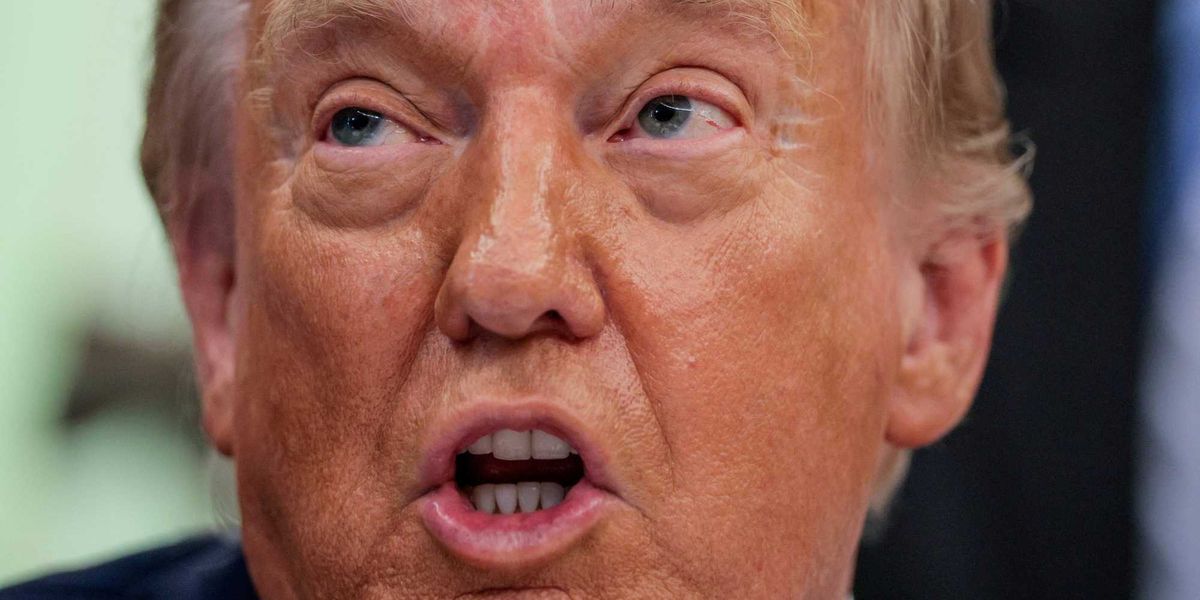
Cover image from rawstory.com, which was analyzed for this article
Annual CPI rose sharply due to energy prices linked to Iran tensions. Trump stated he loves the inflation, providing Democrats with midterm messaging while oil executives warn of worsening gas prices.
PoliticalOS
Thursday, June 11, 2026 — Business
Energy-driven inflation at a three-year high coincides with private warnings of further gasoline price spikes and public remarks by the president that opponents are already using in midterm messaging. The central unresolved tension is whether the conflict's supply effects will ease before political costs mount.
What outlets missed
Most coverage omitted the precise inventory drawdown timeline projected by industry models and the administration's cited releases of 172 million barrels from reserves. Few outlets detailed the Federal Reserve's upcoming rate decision under new leadership or the $1.85 per gallon Iowa price Trump referenced as a pre-conflict benchmark. The gap between public executive warnings and private administration briefings on summer supply risks also received limited attention.
Inflation Eats Away at Paychecks as War Disrupts Oil Supplies
New government data shows inflation-adjusted wages for American workers have gone essentially flat since the start of 2025, erasing earlier gains as energy prices climb sharply amid the ongoing conflict with Iran. The Bureau of Labor Statistics reported consumer prices rose 4.2 percent over the past year through May, the fastest pace in three years, with energy costs leading the increase after disruptions in the Strait of Hormuz.
That vital waterway carries about one-fifth of global oil, and its near shutdown has pushed up fuel expenses across the economy. Real compensation now stands just 0.1 percent higher than when the period began, according to an analysis of the latest figures. Families paying more at the pump and grocery store see little relief in their take-home pay after accounting for higher costs.
President Trump has downplayed the pressure, telling reporters he loves the inflation numbers and predicting prices will fall like a rock once the fighting ends. He also claimed U.S. forces have moved millions of barrels of oil out of Iran in nighttime operations, though independent verification of those shipments remains unavailable. In follow-up remarks to the New York Post, the president said his comments referred to inflation staying lower than expected despite the war, not an endorsement of rising prices.
Oil industry executives have delivered a different message behind closed doors. They have warned the White House that commercial and government fuel stockpiles are dropping fast and could run critically low within weeks, right as summer driving season peaks. Those inventories have so far cushioned some price spikes, but executives say the drawdown leaves little buffer if tensions continue.
The conflict has now stretched into its fourth month with no clear end in sight, despite earlier administration statements suggesting progress. Brent crude prices remain elevated, and analysts see further upside risk for gasoline if supplies tighten more. Workers who saw modest real gains earlier in the term now face a return to stagnant purchasing power, particularly in regions where commuting and heating costs take a larger share of household budgets.
Trump has argued the campaign against Iran prevents a nuclear threat and will ultimately stabilize energy markets. Critics note that the immediate economic effects fall hardest on wage earners who cannot easily absorb higher fuel and food bills. Democrats have already begun circulating clips of the president's remarks for use in upcoming midterm races, framing them as evidence of detachment from everyday financial strain.
The data arrives as broader questions linger over whether the military effort justifies the domestic costs. With inventories thinning and no resolution in the Strait, the path back to lower energy prices appears longer than initial forecasts suggested. American households, meanwhile, continue to adjust spending as the gap between nominal wages and actual costs widens once more.
You just read America First's take. Want to read what actually happened?
More in Business & Economy
Tariffs and AI Transition Fuel Growth and Job Worries
Trump's tariff rhetoric and AI-driven restructuring raised concerns about growth, inflation, and job impacts as markets reacted to geopolitical and tech shifts.

AI Companies Weigh Early IPOs as Risks Mount
Nasdaq fell sharply amid concerns over AI spending sustainability and data center costs; Nvidia, Meta, and others were hit as Meta and Tesla reported earnings.

Stocks Rise on Earnings as Home Sales Hit Low
Major indices closed mixed to higher, led by healthcare and defensive stocks, as companies like Eli Lilly and UnitedHealth reported strong results. Pending home sales hit record lows.

US Stocks Mixed as Tech Rebounds on AI Optimism
The Dow slipped slightly while the S&P 500 and Nasdaq rose, led by Nvidia, AMD, and Intel gains on renewed AI sector confidence after prior drops. Broader market volatility tied to earnings and data center demand.
The Compass
You just read five takes on one story.
What's your take? Find your political shape in a few minutes.
Take the test