
Inflation hits three-year high amid Iran conflict and Trump remarks
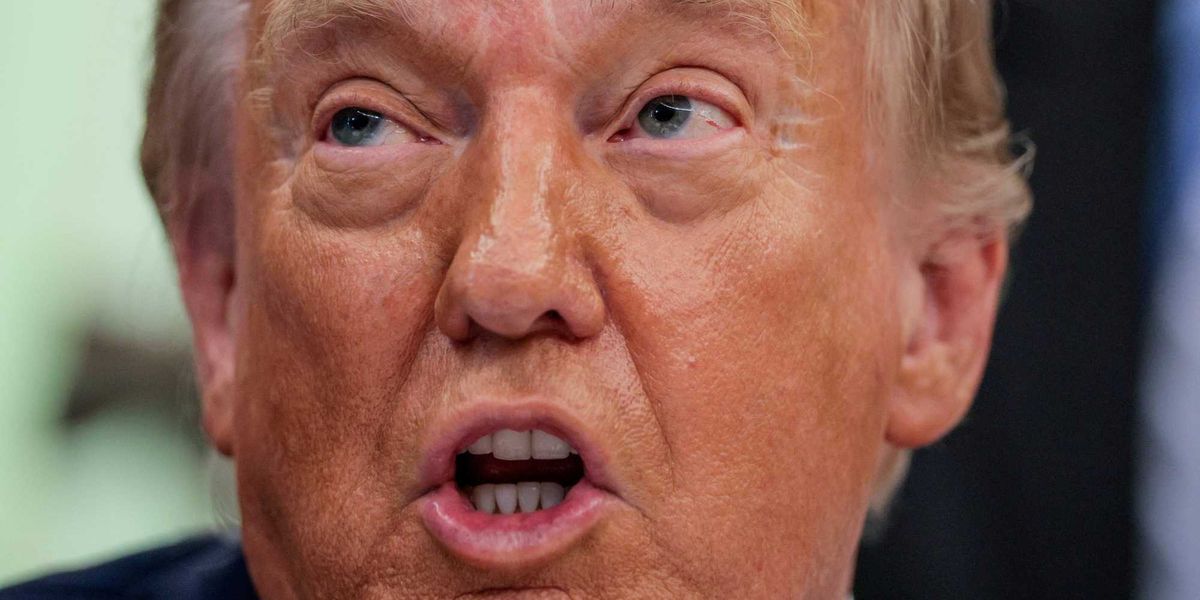
Cover image from rawstory.com, which was analyzed for this article
Annual CPI rose sharply due to energy prices linked to Iran tensions. Trump stated he loves the inflation, providing Democrats with midterm messaging while oil executives warn of worsening gas prices.
PoliticalOS
Thursday, June 11, 2026 — Business
Energy-driven inflation at a three-year high coincides with private warnings of further gasoline price spikes and public remarks by the president that opponents are already using in midterm messaging. The central unresolved tension is whether the conflict's supply effects will ease before political costs mount.
What outlets missed
Most coverage omitted the precise inventory drawdown timeline projected by industry models and the administration's cited releases of 172 million barrels from reserves. Few outlets detailed the Federal Reserve's upcoming rate decision under new leadership or the $1.85 per gallon Iowa price Trump referenced as a pre-conflict benchmark. The gap between public executive warnings and private administration briefings on summer supply risks also received limited attention.
Trump's War-Driven Inflation Erases Worker Wage Gains
New government data reveals that inflation-adjusted wage gains for American workers have essentially vanished under President Donald Trump, as energy costs surge amid his ongoing conflict with Iran. The latest Bureau of Labor Statistics figures show real compensation up just 0.1 percent since January 2025, leaving household purchasing power nearly flat despite earlier claims of economic strength.
The May consumer price index rose 4.2 percent over the prior year, the fastest pace in three years and a sharp increase from April's 3.8 percent. Energy prices tied to disruptions in the Strait of Hormuz, which carries about 20 percent of global oil, drove much of the spike. Trump's military actions have kept the key waterway largely closed, pushing fuel costs higher across markets.
Trump responded to the numbers by declaring at the White House that he loves the inflation. He later told the New York Post that his comments referred to the figures being lower than expected during wartime, and he predicted prices would fall sharply once the conflict ends. The president also claimed U.S. forces had secretly moved millions of barrels of oil from Iran to ease pressure, though no independent verification has emerged.
These remarks come against a backdrop of repeated statements that have drawn scrutiny. In May, Trump said he does not think about Americans' financial situation when pursuing the Iran campaign. Days later, he told Fox News he would make the same point again. He also stated he does not care about the midterm elections, arguing that political calendars should not influence decisions on the war.
Industry warnings add to the pressure. Oil and gas executives have privately told the White House that commercial and government fuel inventories are dropping to critical levels and could be depleted within weeks, coinciding with peak summer travel. Analysts say gasoline prices are likely to climb further as supplies tighten, a development that would compound the recent inflation surge.
The combination of rising costs and stagnant real wages has already dented Trump's standing with voters and raised alarms among Republicans about potential losses in the November midterms. Democrats have begun circulating clips of the president's comments for campaign use, framing them as evidence of indifference to household budgets.
Trump has maintained that the economy remains strong and that ending the Iran conflict will restore lower energy prices seen in early 2026. Yet the new data undercuts earlier boasts about worker compensation outpacing inflation, showing how the costs of prolonged military engagement are landing directly on American families through higher everyday expenses.
You just read Progressive's take. Want to read what actually happened?
More in Business & Economy
Tariffs and AI Transition Fuel Growth and Job Worries
Trump's tariff rhetoric and AI-driven restructuring raised concerns about growth, inflation, and job impacts as markets reacted to geopolitical and tech shifts.

AI Companies Weigh Early IPOs as Risks Mount
Nasdaq fell sharply amid concerns over AI spending sustainability and data center costs; Nvidia, Meta, and others were hit as Meta and Tesla reported earnings.

Stocks Rise on Earnings as Home Sales Hit Low
Major indices closed mixed to higher, led by healthcare and defensive stocks, as companies like Eli Lilly and UnitedHealth reported strong results. Pending home sales hit record lows.

US Stocks Mixed as Tech Rebounds on AI Optimism
The Dow slipped slightly while the S&P 500 and Nasdaq rose, led by Nvidia, AMD, and Intel gains on renewed AI sector confidence after prior drops. Broader market volatility tied to earnings and data center demand.
The Compass
You just read five takes on one story.
What's your take? Find your political shape in a few minutes.
Take the test