
Iran Conflict Chokes Hormuz, Unleashing Historic Global Energy Shock
Cover image from theguardian.com, which was analyzed for this article
The Hormuz blockade and conflict drive jet fuel shortages, higher diesel costs, and airline cuts, threatening energy security. Markets volatile as IEA warns of historic threat; exporters seek alternatives. Economic fallout dominates with poverty rises and stock impacts.
PoliticalOS
Thursday, April 23, 2026 — Business
The 2026 Iran conflict, triggered by February strikes and met with Iranian closure of the Strait of Hormuz, has produced the IEA's largest recorded energy crisis, cutting 13 million barrels per day and driving diesel and jet fuel prices far higher than gasoline with no rapid substitutes available. Mutual blockades, limited pipeline bypasses, and emerging shifts toward renewables offer partial long-term relief but cannot prevent near-term inflation, travel cuts, and poverty pressure worldwide. The single most important reality is that energy security has been revealed as fragile, dependent on a single chokepoint, and the ultimate resolution hinges on whether diplomacy reopens flows before deeper economic and political damage becomes entrenched.
What outlets missed
Most accounts either emphasized Iranian rhetoric or U.S. pressure but downplayed the verified February 28 start date of U.S.-Israeli strikes on Iranian sites, which preceded Iran's mining of vessels, ship seizures, and full strait closure, altering the sequence of escalation. Few pieces quantified the persistence of limited tanker traffic, with at least some VLCCs still moving in recent weeks according to shipping trackers cited in Reuters and Wikipedia but absent from alarmist coverage. The potential for coordinated IEA stock releases to buy only months, not years, of relief while alternatives like Iraq-Turkey pipelines restart at fractions of needed capacity was rarely tied to rising poverty projections in Asia and Africa. Trump's specific reference to Pakistani leaders requesting a ceasefire delay appeared only in one outlet and could not be independently verified. Finally, direct linkages between the energy shock and Trump's record-low approval ratings in GOP districts were confined to a single poll, leaving the political feedback loop underexplored.
Global Energy Crisis Intensifies as Iran Holds Strait of Hormuz and US Maintains Pressure
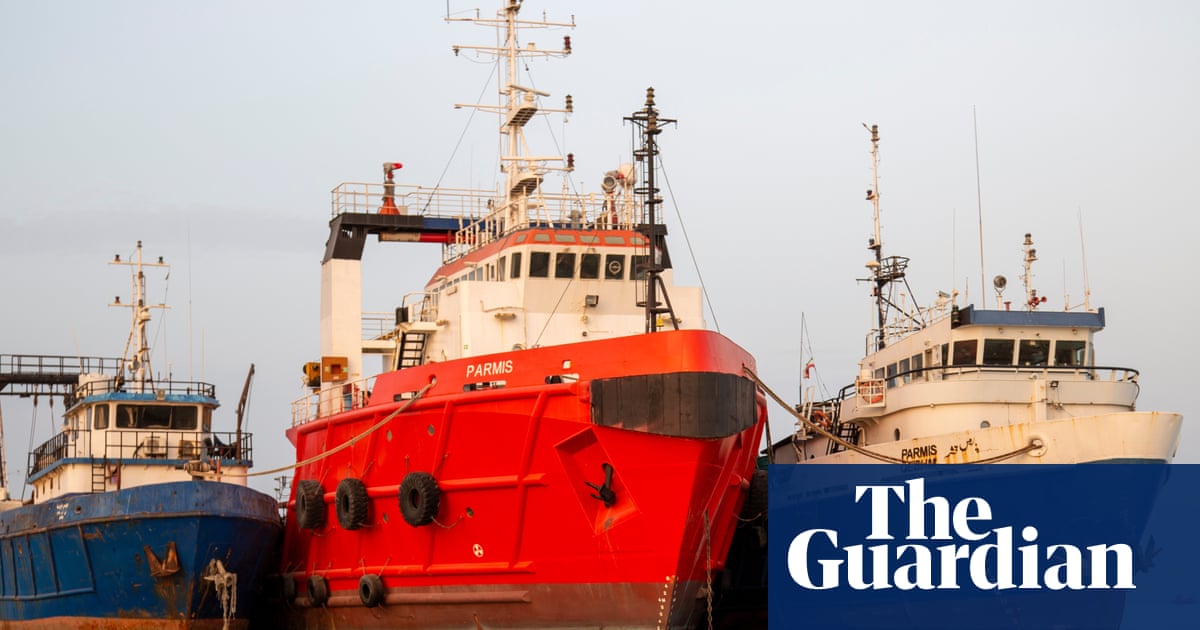
The standoff over the Strait of Hormuz has escalated into one of the most severe disruptions to global energy supplies in modern history, with Iran seizing vessels in the waterway and declaring its reopening impossible while the United States sustains a naval blockade. The channel, which carried about one-fifth of the world’s oil and liquefied natural gas in peacetime, remains under a double blockade as both sides leverage control of the passage in faltering peace talks. Iranian parliament speaker Mohammad Bagher Ghalibaf, Tehran’s lead negotiator, described American and Israeli actions as “flagrant” ceasefire violations, including the blockade that he termed “the hostage-taking of the world’s economy.”
President Donald Trump responded by extending the ceasefire with Iran, citing the country’s “seriously fractured” government and demanding a “unified proposal” aligned with American positions. Trump had previously warned of renewed military action. White House press secretary Karoline Leavitt said the president views the blockade as effective and recognizes Iran’s weakened state. Senator Lindsey Graham, after speaking with Trump and Defense Secretary Pete Hegseth, endorsed the approach on social media, stating the blockade is “having a strong effect on the ability of Iran to continue to be the largest state sponsor of terrorism.” Graham predicted the measure could expand globally and warned nations assisting Iran’s oil trade that they do so “at your own peril.” The senator called the current moment the best opportunity since 1979 to alter Tehran’s behavior through sustained pressure and diplomacy.
The economic consequences have been swift and uneven. In just weeks, more than 500 million barrels of oil production have been lost, according to analysts, an amount roughly equivalent to the annual economies of smaller nations such as Estonia and Latvia. The International Energy Agency described the episode as the largest energy crisis on record. Executive Director Fatih Birol told CNBC it represents “the biggest energy security threat in history,” with 13 million barrels per day of oil supply erased. Global oil prices have surged, pushing American gasoline above four dollars per gallon. Diesel fuel, critical for trucking, shipping, and heavy industry, has risen even faster. Since the conflict began in late February, diesel prices have climbed approximately 45 percent compared with 35 percent for regular gasoline. The Energy Information Administration forecasts diesel peaking above five dollars and eighty cents per gallon this month, while gasoline averages around four dollars and thirty cents.
This disparity stems from tight diesel markets even before the war. Persian Gulf producers generate fuel especially suited for diesel and jet kerosene, leaving global inventories with little cushion when exports were curtailed. The result has hit transportation and logistics harder than passenger vehicles. Factories in Europe face possible energy rationing, and jet fuel shortages could appear within weeks because the continent obtains about 75 percent of its supply from Middle Eastern refineries. Emerging economies are absorbing significant pain as well, with higher costs rippling through food distribution, manufacturing, and consumer prices. The IEA has cautioned that the episode could shave global economic growth, fuel inflation, and expose the fragility of relying on narrow maritime chokepoints.
Alternative export routes for Middle Eastern producers remain limited and difficult to scale quickly. Pipelines bypassing the strait exist but lack sufficient capacity, and political or geographic obstacles hinder rapid expansion. Birol has long urged diversification of energy supplies and routes, noting that a global economy valued at 110 trillion dollars should not be vulnerable to control by a small force along a 50-kilometer strait. He anticipates the crisis will accelerate investment in nuclear power, solar, wind, electric vehicles, and, in parts of Asia, even a temporary return to coal.
The conflict has also registered in American public opinion. A CNBC All-America Economic Survey found President Trump’s overall net approval rating falling to negative 18, the lowest of his two terms. His economic approval suffered similarly, dropping amid voter frustration with elevated gasoline prices and broader economic uncertainty. Republican support declined notably outside the most loyal MAGA base, though the president retains strong backing from core supporters. Pollsters described the shift as understandable given the wartime environment but not yet catastrophic for his coalition.
Compounding the pressure campaign, the Treasury Department has warned financial institutions in the United Arab Emirates, Oman, China, and Hong Kong against facilitating Iranian transactions. Yet enforcement faces challenges. Turkey has emerged as a significant conduit for Tehran’s access to hard currency. Networks of currency exchange houses in Istanbul and Ankara operate with minimal oversight, allowing Iran to move funds outside the SWIFT system. These channels have reportedly helped sustain Iranian defense revenues and sanctions evasion. American officials view consistent pressure on such third-party enablers as essential to preventing the regime from funding proxy militias and other destabilizing activities.
Iran’s seizure of two additional ships in the strait this week underscores the immediate risks to commercial shipping. With peace negotiations stalled, the interplay between military posturing and economic warfare will likely determine whether the waterway reopens and on what terms. For now, the world is absorbing the cost of prolonged dependence on a single vulnerable passage and a regime that has shown little inclination to abandon its pattern of regional disruption. The episode illustrates the high price nations pay when incentives are not aligned toward reliable energy production and open trade routes. Consumers at the pump, industries moving goods, and governments managing inflation are all confronting the tangible results of decisions made far from their borders.
You just read Conservative's take. Want to read what actually happened?
More in Business & Economy

Stocks Rise on Earnings as Home Sales Hit Low
Major indices closed mixed to higher, led by healthcare and defensive stocks, as companies like Eli Lilly and UnitedHealth reported strong results. Pending home sales hit record lows.

US Stocks Mixed as Tech Rebounds on AI Optimism
The Dow slipped slightly while the S&P 500 and Nasdaq rose, led by Nvidia, AMD, and Intel gains on renewed AI sector confidence after prior drops. Broader market volatility tied to earnings and data center demand.

Trump Unveils $8 Billion Diesel Relief for Farmers
The Agriculture Department launched the program to offset record diesel prices for farmers, framed as economic aid and a midterm pitch in Kansas amid ongoing inflation and energy cost pressures.
CPI Rises to 3.7 Percent as Energy Costs Climb Amid Iran Conflict
Hotter-than-expected CPI figures fueled rate hike fears and contributed to sharp declines in AI and tech stocks. Left and right economic commentary debates Trump policies versus Fed actions.
The Compass
You just read five takes on one story.
What's your take? Find your political shape in a few minutes.
Take the test