
Iran Conflict Chokes Hormuz, Unleashing Historic Global Energy Shock
Cover image from theguardian.com, which was analyzed for this article
The Hormuz blockade and conflict drive jet fuel shortages, higher diesel costs, and airline cuts, threatening energy security. Markets volatile as IEA warns of historic threat; exporters seek alternatives. Economic fallout dominates with poverty rises and stock impacts.
PoliticalOS
Thursday, April 23, 2026 — Business
The 2026 Iran conflict, triggered by February strikes and met with Iranian closure of the Strait of Hormuz, has produced the IEA's largest recorded energy crisis, cutting 13 million barrels per day and driving diesel and jet fuel prices far higher than gasoline with no rapid substitutes available. Mutual blockades, limited pipeline bypasses, and emerging shifts toward renewables offer partial long-term relief but cannot prevent near-term inflation, travel cuts, and poverty pressure worldwide. The single most important reality is that energy security has been revealed as fragile, dependent on a single chokepoint, and the ultimate resolution hinges on whether diplomacy reopens flows before deeper economic and political damage becomes entrenched.
What outlets missed
Most accounts either emphasized Iranian rhetoric or U.S. pressure but downplayed the verified February 28 start date of U.S.-Israeli strikes on Iranian sites, which preceded Iran's mining of vessels, ship seizures, and full strait closure, altering the sequence of escalation. Few pieces quantified the persistence of limited tanker traffic, with at least some VLCCs still moving in recent weeks according to shipping trackers cited in Reuters and Wikipedia but absent from alarmist coverage. The potential for coordinated IEA stock releases to buy only months, not years, of relief while alternatives like Iraq-Turkey pipelines restart at fractions of needed capacity was rarely tied to rising poverty projections in Asia and Africa. Trump's specific reference to Pakistani leaders requesting a ceasefire delay appeared only in one outlet and could not be independently verified. Finally, direct linkages between the energy shock and Trump's record-low approval ratings in GOP districts were confined to a single poll, leaving the political feedback loop underexplored.
Iran Seizes Ships in Hormuz as American Families Pay for Washingtons Latest Middle East Gamble
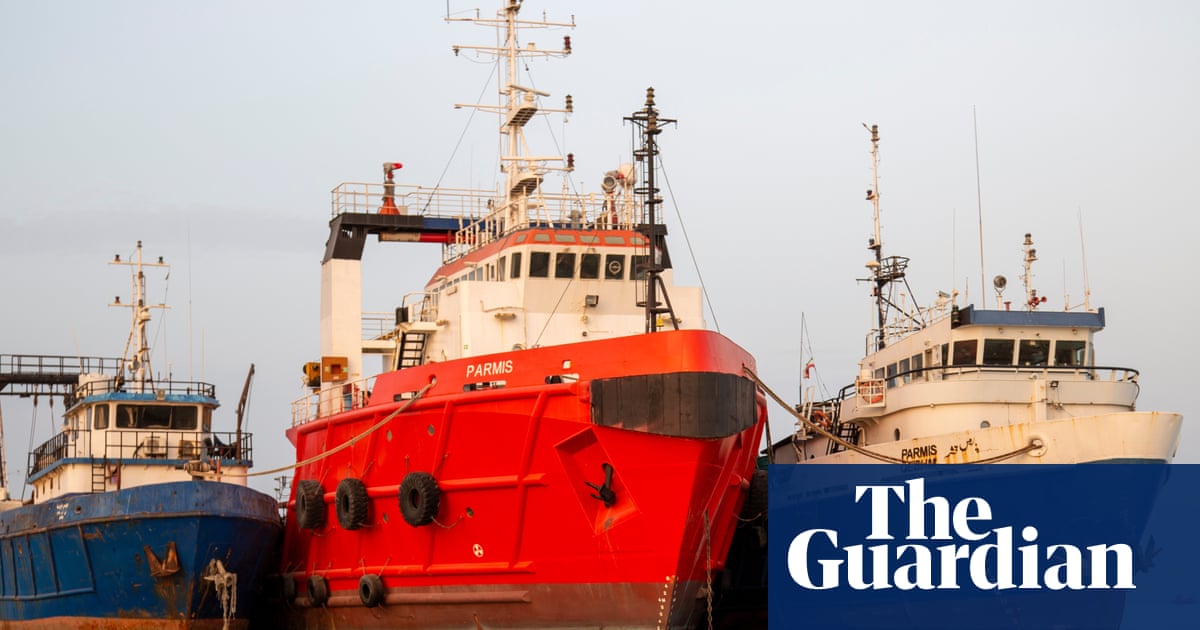
The Iranian regime seized two more ships in the Strait of Hormuz Wednesday as the United States kept its naval blockade in place and President Trump extended a fragile ceasefire. The move has choked off one of the world’s most important energy arteries and sent fuel prices soaring for working Americans already squeezed by inflation.
Roughly twenty percent of global oil and liquefied natural gas moved through the strait in normal times. That flow is now effectively halted by what amounts to a double blockade. Iran calls the American position economic hostage-taking. The White House says the pressure is working. Either way the bill is landing on truck stops, grocery aisles, and family budgets across the United States.
Diesel prices have jumped forty-five percent since the conflict began while regular gasoline is up about thirty-five percent. The Energy Information Administration expects diesel to top five dollars and eighty cents a gallon this month. Gasoline is forecast to average four dollars and thirty cents. Those numbers matter because diesel powers the trucks that move nearly everything Americans buy. When diesel doubles the cost of food, parts, and finished goods rises with it. The gap between diesel and gasoline is unusually wide because Persian Gulf crudes are particularly suited to making diesel and jet fuel. When those supplies vanish the pain concentrates on the industries that keep the country running.
The International Energy Agency’s chief Fatih Birol called the situation the biggest energy security threat in history. More than five hundred million barrels of oil have been disrupted in weeks. The agency warns of jet-fuel shortages in Europe within weeks, possible factory rationing, and slower growth everywhere. Birol has spent years urging governments to build alternative routes and spare capacity. Few listened. Now a stretch of water barely thirty miles wide has exposed how fragile the entire system is.
At home the political fallout is already visible. A new CNBC poll shows Trump’s overall approval at forty percent with a net rating of negative eighteen, the lowest of his two terms. His economic approval has dropped in tandem. Even Republican support outside the core MAGA base has slipped. Voters appear to be connecting high gas prices and a war halfway around the world with their own tightening household budgets. The White House insists Iran is collapsing financially and that the blockade is the best leverage since 1979. Press secretary Karoline Leavitt said the president is satisfied with the current pressure.
Senator Lindsey Graham of South Carolina went further. After speaking with Trump and Defense Secretary Pete Hegseth he posted that the blockade should not only remain but could soon become global. Graham warned anyone moving Iranian oil that they do so at their own peril and called the moment the best chance to change the regime’s behavior. The South Carolina senator has never been shy about expanding American military and economic involvement in the region. His comments suggest the administration is under pressure from longtime hawks to tighten the noose rather than wind the crisis down.
Iran’s parliament speaker and lead negotiator Mohammad Bagher Ghalibaf said reopening the strait is impossible while the United States and Israel commit what he called flagrant ceasefire violations. Tehran points to the American blockade itself as the main breach. Peace talks have stalled. Trump said he will keep the ceasefire in place until Iran offers a unified position, noting the regime’s government appears seriously fractured. He has also renewed threats of bombing if diplomacy fails.
Alternative routes for Middle East oil are limited. Pipelines exist but lack the capacity to replace tanker traffic through Hormuz. The crisis has highlighted how few options Gulf producers actually have once the strait closes. Meanwhile Turkey has emerged as a weak link in the American sanctions effort. Networks of currency exchange houses in Istanbul and Ankara continue to let Iranian entities move money outside the formal banking system and outside SWIFT. The Treasury Department has tried to map these channels and warn allies but enforcement remains inconsistent.
The larger picture is familiar. Another Middle East confrontation, another spike in energy costs, another hit to American wallets. Truckers and farmers who run on diesel are feeling it first but the effects will ripple outward. Washington debates global blockades and regime pressure while families watch the price at the pump climb. For all the talk of strategic necessity the people paying the highest price are the ones who had no say in how the crisis started or how wide it grows. This story is still developing but the direction of the numbers is unmistakable.
You just read America First's take. Want to read what actually happened?
More in Business & Economy

Stocks Rise on Earnings as Home Sales Hit Low
Major indices closed mixed to higher, led by healthcare and defensive stocks, as companies like Eli Lilly and UnitedHealth reported strong results. Pending home sales hit record lows.

US Stocks Mixed as Tech Rebounds on AI Optimism
The Dow slipped slightly while the S&P 500 and Nasdaq rose, led by Nvidia, AMD, and Intel gains on renewed AI sector confidence after prior drops. Broader market volatility tied to earnings and data center demand.

Trump Unveils $8 Billion Diesel Relief for Farmers
The Agriculture Department launched the program to offset record diesel prices for farmers, framed as economic aid and a midterm pitch in Kansas amid ongoing inflation and energy cost pressures.
CPI Rises to 3.7 Percent as Energy Costs Climb Amid Iran Conflict
Hotter-than-expected CPI figures fueled rate hike fears and contributed to sharp declines in AI and tech stocks. Left and right economic commentary debates Trump policies versus Fed actions.
The Compass
You just read five takes on one story.
What's your take? Find your political shape in a few minutes.
Take the test