
Iran Conflict Chokes Hormuz, Unleashing Historic Global Energy Shock
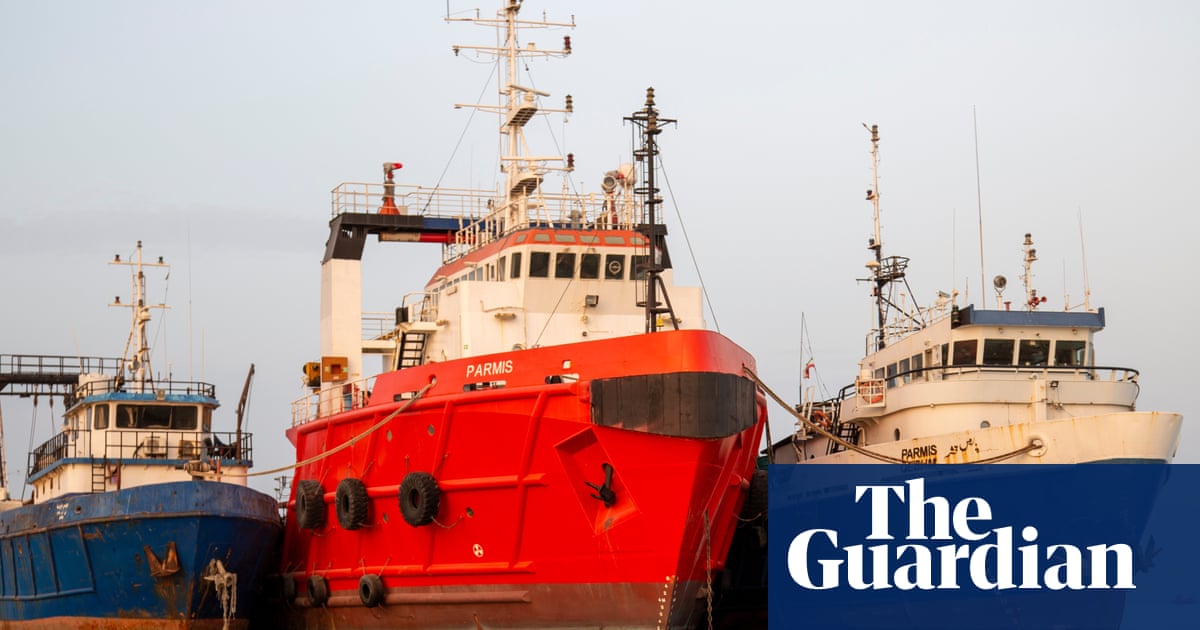
Cover image from theguardian.com, which was analyzed for this article
The Hormuz blockade and conflict drive jet fuel shortages, higher diesel costs, and airline cuts, threatening energy security. Markets volatile as IEA warns of historic threat; exporters seek alternatives. Economic fallout dominates with poverty rises and stock impacts.
PoliticalOS
Thursday, April 23, 2026 — Business
The 2026 Iran conflict, triggered by February strikes and met with Iranian closure of the Strait of Hormuz, has produced the IEA's largest recorded energy crisis, cutting 13 million barrels per day and driving diesel and jet fuel prices far higher than gasoline with no rapid substitutes available. Mutual blockades, limited pipeline bypasses, and emerging shifts toward renewables offer partial long-term relief but cannot prevent near-term inflation, travel cuts, and poverty pressure worldwide. The single most important reality is that energy security has been revealed as fragile, dependent on a single chokepoint, and the ultimate resolution hinges on whether diplomacy reopens flows before deeper economic and political damage becomes entrenched.
What outlets missed
Most accounts either emphasized Iranian rhetoric or U.S. pressure but downplayed the verified February 28 start date of U.S.-Israeli strikes on Iranian sites, which preceded Iran's mining of vessels, ship seizures, and full strait closure, altering the sequence of escalation. Few pieces quantified the persistence of limited tanker traffic, with at least some VLCCs still moving in recent weeks according to shipping trackers cited in Reuters and Wikipedia but absent from alarmist coverage. The potential for coordinated IEA stock releases to buy only months, not years, of relief while alternatives like Iraq-Turkey pipelines restart at fractions of needed capacity was rarely tied to rising poverty projections in Asia and Africa. Trump's specific reference to Pakistani leaders requesting a ceasefire delay appeared only in one outlet and could not be independently verified. Finally, direct linkages between the energy shock and Trump's record-low approval ratings in GOP districts were confined to a single poll, leaving the political feedback loop underexplored.
Persistent Blockade in Strait of Hormuz Exposes Global Energy Vulnerabilities as Ceasefire Strains
The standoff over the Strait of Hormuz has entered a dangerous new phase, with Iran declaring it “impossible” to reopen the critical waterway while accusing the United States and Israel of repeated ceasefire violations. Iranian forces seized two vessels in the strait this week, underscoring Tehran’s determination to use the chokepoint as leverage even as peace negotiations remain stalled. The passage, which carried roughly one-fifth of global oil and liquefied natural gas in peacetime, is now under what amounts to a double blockade: American naval forces restricting Iranian ports and Tehran preventing commercial traffic.
President Trump extended the fragile ceasefire until Iranian leaders produce what he called a “unified proposal” aligned with American demands, citing Tehran’s “seriously fractured” government. White House officials described the president as satisfied with the naval pressure, which they believe has left Iran in a weakened position. Senator Lindsey Graham, speaking after conversations with Trump and Defense Secretary Pete Hegseth, went further. He predicted the blockade could soon expand globally and warned that any nation assisting Iran’s oil trade would do so “at your own peril.” Graham framed the policy as the best opportunity since 1979 to alter Iranian behavior through sustained economic pain.
The human and financial costs of that pain are mounting rapidly. The International Energy Agency estimates more than 500 million barrels of oil have been disrupted in recent weeks, erasing roughly $50 billion in production value. Fatih Birol, the agency’s executive director, described the situation bluntly as “the biggest energy security threat in history.” Global supply chains are fracturing. Europe faces potential jet-fuel shortages within weeks because 75 percent of its supply traditionally originates from Middle East refineries now cut off. Factories in parts of the continent are already confronting energy rationing. Emerging economies are absorbing heavy blows as well, with higher costs rippling through food transport and manufacturing.
In the United States the disparity between diesel and gasoline prices tells a revealing story about who bears the burden. Since the conflict intensified in late February, diesel prices have climbed about 45 percent while regular gasoline has risen roughly 35 percent. The Energy Information Administration projects diesel will peak above $5.80 per gallon this month, compared with $4.30 for gasoline. The gap exists because Persian Gulf crudes are particularly suited to producing diesel and jet fuel, and global diesel inventories were already tight before the war. Trucks, ships, and heavy machinery run on diesel; the surge therefore feeds directly into higher costs for consumer goods, agricultural products, and freight. Gasoline, used primarily by passenger cars, has been less acutely affected.
These price shocks are registering in American public opinion. The latest CNBC All-America Economic Survey shows Trump’s net approval rating has fallen to minus-18, the lowest of his two terms. Overall approval sits at 40 percent, disapproval at 58 percent. The drop is especially pronounced among non-MAGA Republicans, whose support has declined sharply. Pollsters note that dissatisfaction with the war, inflation, and gasoline prices appears to be the driving factor. Even as core supporters remain loyal, broader discontent with the economic consequences is eroding the president’s position.
The administration is attempting to tighten the economic noose beyond the physical blockade. Treasury officials have sent lists of suspect banks to the United Arab Emirates, Oman, China, and Hong Kong, signaling that continued financial facilitation for Iran will invite sanctions. Yet enforcement faces structural weaknesses. Turkey has emerged as a particularly porous link. Networks of Iranian-linked currency exchange houses in Istanbul and Ankara operate with minimal oversight, allowing Tehran to move funds outside the SWIFT system and convert oil revenue into hard currency. These shadow channels have proven resilient to previous American pressure, raising questions about whether the current strategy can deliver decisive results without broader international buy-in.
Middle Eastern producers are scrambling for workarounds, but viable alternatives remain limited. Pipelines bypassing the strait are either insufficient in capacity or politically complicated. The crisis has revived long-standing warnings from energy analysts that the world economy should never have allowed itself to become hostage to a narrow 50-kilometer stretch of water. Birol said he feels like a “broken record” for having urged diversification years ago. The current shock, he argued, will likely accelerate investment in nuclear power, renewables, electric vehicles, and in some Asian markets even a temporary return to coal.
Whether the blockade produces the behavioral change Washington seeks or simply entrenches a costly new normal is uncertain. Iran’s parliamentary speaker, Mohammad Bagher Ghalibaf, who leads its negotiating team, insisted that American and Israeli actions, including what he termed the “hostage-taking of the world’s economy,” make de-escalation impossible for now. Each side appears to believe time favors its leverage. The risk is that ordinary consumers, truck drivers, factory workers, and economies already strained by inflation will pay the price long before any diplomatic breakthrough materializes. The longer the strait remains closed, the deeper the structural changes to global energy flows may become, and the harder it will be to return to the fragile stability that existed before this conflict began.
You just read Liberal's take. Want to read what actually happened?
More in Business & Economy

Stocks Rise on Earnings as Home Sales Hit Low
Major indices closed mixed to higher, led by healthcare and defensive stocks, as companies like Eli Lilly and UnitedHealth reported strong results. Pending home sales hit record lows.

US Stocks Mixed as Tech Rebounds on AI Optimism
The Dow slipped slightly while the S&P 500 and Nasdaq rose, led by Nvidia, AMD, and Intel gains on renewed AI sector confidence after prior drops. Broader market volatility tied to earnings and data center demand.

Trump Unveils $8 Billion Diesel Relief for Farmers
The Agriculture Department launched the program to offset record diesel prices for farmers, framed as economic aid and a midterm pitch in Kansas amid ongoing inflation and energy cost pressures.

CPI Rises to 3.7 Percent as Energy Costs Climb Amid Iran Conflict
Hotter-than-expected CPI figures fueled rate hike fears and contributed to sharp declines in AI and tech stocks. Left and right economic commentary debates Trump policies versus Fed actions.
The Compass
You just read five takes on one story.
What's your take? Find your political shape in a few minutes.
Take the test