
Iran Conflict Drives US Gas Over $4, Sparks Global Fuel Shortage Fears
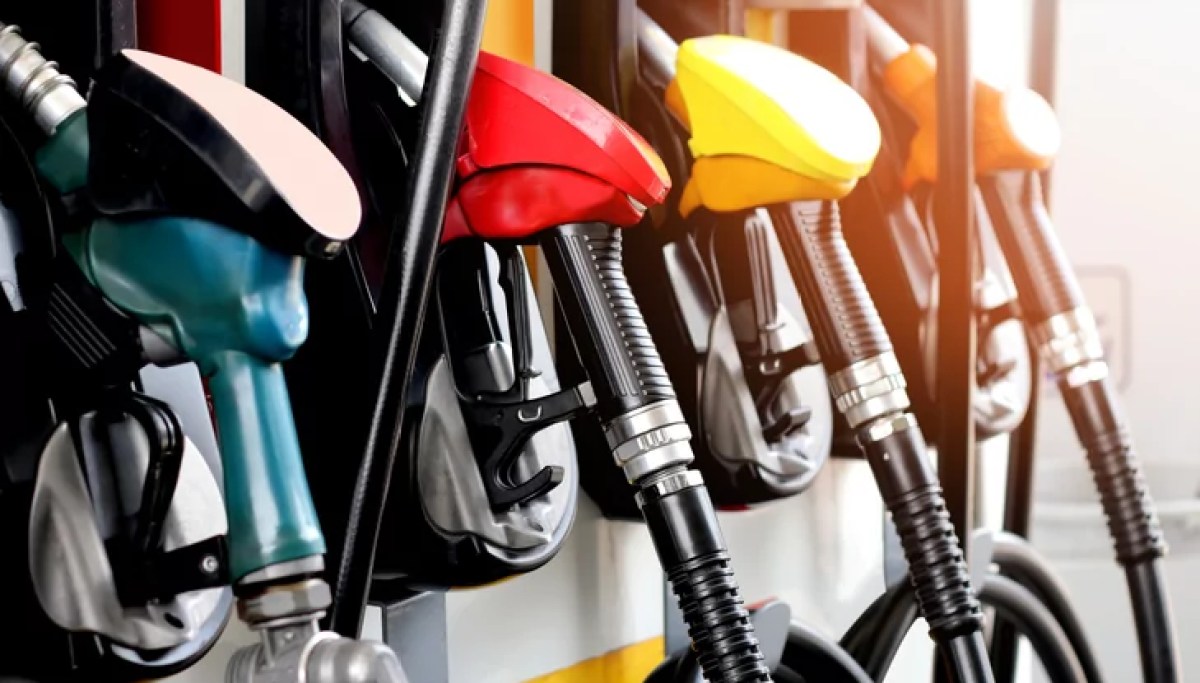
Cover image from washingtonexaminer.com, which was analyzed for this article
The conflict drives up US gas prices, with critics blaming Trump's war and states debating tax suspensions. European airlines face potential jet fuel shortages within weeks, compounded by refinery issues. Markets stabilize on de-escalation hopes but consumers feel the pinch.
PoliticalOS
Thursday, April 16, 2026 — Business
The Iran conflict has measurably tightened global oil supplies through Strait of Hormuz disruptions, pushing US gas above four dollars per gallon and creating credible risks of European jet fuel shortages within weeks. Political blame, limited state tax relief, and expert warnings about infrastructure costs complicate the picture, but the underlying supply shock is real and likely to persist into 2027 even if fighting fully stops. Readers should track AAA and EIA data rather than any single official's forecast.
What outlets missed
Most outlets underplayed the precise mechanics of how the Strait of Hormuz disruption translated into specific regional fuel shortages, including the 10-11 million barrels per day shortfall and the 3-6 month lag for full supply chain recovery even after any ceasefire. Coverage also largely omitted detailed EIA projections showing national gas prices likely averaging $3.46 in 2027, well above pre-conflict forecasts. The partisan split in state tax suspension actions received almost no attention. Finally, few pieces integrated the interaction between pre-existing winter refinery issues and the war's added pressure, or the fact that some European jet fuel warnings originated with Airports Council International rather than solely the IEA.
Drivers across the United States are paying more than four dollars for a gallon of regular gasoline as the conflict with Iran disrupts critical oil flows through the Strait of Hormuz. The national average hit $4.093 on April 16 according to AAA data, up sharply from $3.718 a month earlier and $3.169 a year ago. A slight decline over the past week offered modest relief. Yet the broader energy strain extends far beyond American pumps. European airlines could face jet fuel shortages within three to six weeks if disruptions continue, according to warnings from aviation and energy groups that cite the loss of roughly half of the continent's typical Middle East-derived supply.
The central tension lies in assigning responsibility for these costs while weighing short-term relief against long-term economic and infrastructure damage. Former Vice President Kamala Harris directly linked the price surge to what she called President Trump's war of choice in Iran, posting on X that working families are bearing the consequences. Republican Senator Mike Lee countered that prior Democratic policies had already constrained domestic production. Treasury Secretary Scott Bessent expressed optimism that prices could fall back toward three dollars a gallon by late summer if the conflict de-escalates further. Energy Secretary Chris Wright offered a more cautious outlook, suggesting costs might remain elevated through the November elections. These statements could not all be independently corroborated in real time.
Crude oil prices climbed above one hundred dollars per barrel in March before easing somewhat on ceasefire signals. The Strait of Hormuz, which carries more than twenty percent of global oil trade, saw reduced flows after Iranian retaliation to strikes and subsequent naval tensions. Exact attribution of the blockade's start remains contested across sources. Winter weather and refinery maintenance had already nudged prices upward from a January low of $2.79, but the late-February escalation accelerated the climb to over four dollars by early April.
Only a handful of states have acted on fuel taxes. Georgia suspended its 33-cent gas tax and 37-cent diesel tax for sixty days. Indiana paused its seven percent sales tax on gasoline for thirty days. Utah trimmed its rate by six cents through the end of 2026. No Democratic-led states have followed suit so far. Tax policy researchers at the Institute on Taxation and Economic Policy and the Tax Foundation argue these moves function as expensive gimmicks. Studies of earlier holidays, including a 2022 Penn Wharton analysis, found that only sixty-two to seventy-two percent of the savings typically reached consumers. The remainder stayed with wholesalers. More critically, the taxes fund road and bridge repairs. Suspending them creates immediate budget holes. Georgia alone stands to lose roughly four hundred million dollars in revenue, according to Institute estimates, while delivering about thirteen dollars monthly in savings to lower-income drivers.
The federal 18.4-cent gas tax has not been touched. Any suspension would require congressional approval and would further strain the Highway Trust Fund, already facing chronic shortfalls. Experts note that reinstating taxes after a holiday could coincide with peak summer travel, compounding pain. Meanwhile, indirect effects ripple outward. Food pantry operators report higher delivery costs and more demand from working families. Rural residents with medical needs face longer gaps between trips. Small businesses tied to discretionary spending, such as art sales, see revenue drop when consumers cut back on non-essentials.
In Europe the outlook is more immediate. The International Energy Agency and Airports Council International have flagged severe risks to aviation fuel stocks. One analysis suggested supplies could effectively run dry in April without alternative routes. Analysts from Rystad Energy and ING told CNBC that replacement shipments from non-Middle East sources cannot fully offset the gap quickly. The result could mean canceled flights, higher fares, and broader inflationary pressure on goods movement. Global economic growth forecasts have been revised downward. Emerging markets face the steepest hits from sustained high energy costs.
Markets have shown tentative stabilization. Brent crude dipped below one hundred dollars after ceasefire announcements. Yet inventories remain tight, and full restoration of flows could take months even if diplomacy holds. No single outlet captured every dimension. Price trends, regional variations, expert skepticism on tax policy, and the precise mechanics of the supply shock all require cross-checking. Consumers nonetheless confront the immediate reality: higher costs for commuting, groceries, and heating with few easy substitutes.
More in Business & Economy

CPI Report and Oil Spike at $106 Shape Fed Outlook
Report expected at 3.6% headline and 2.5% core as oil hits $106/barrel from Middle East tensions. Fed rate decisions hang in balance.

Major Banks Deliver Mixed Q3 Results on Trading Beats
JPMorgan, Goldman Sachs, Citigroup, and Wells Fargo reported Q3 figures, with revenue beats in trading but some estimate misses. CNBC provided live updates on the results and market reactions.

Oil Falls on Russian Diesel Outlook Despite Geopolitical Risks
Dow futures rose while Nasdaq faced pressure from tech weakness and elevated oil after geopolitical spikes. CNBC tracked premarket moves tied to earnings and Fed speeches.

Hall and Woodford Win Economics Nobel for Stabilization Models
American economists Robert E. Hall and Michael Woodford won the Nobel memorial prize for their research on managing economies through booms and busts, informing central bank policies on inflation and unemployment.
The Compass
You just read five takes on one story.
What's your take? Find your political shape in a few minutes.
Take the test