
Iran Conflict Drives US Gas Over $4, Sparks Global Fuel Shortage Fears
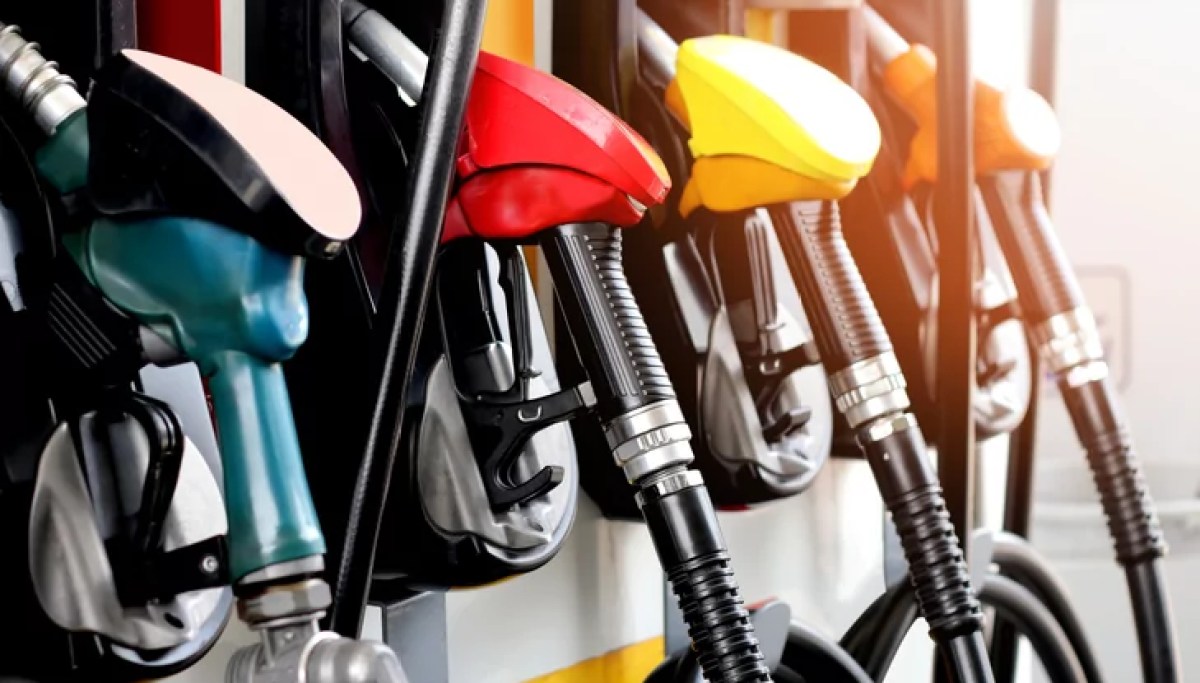
Cover image from washingtonexaminer.com, which was analyzed for this article
The conflict drives up US gas prices, with critics blaming Trump's war and states debating tax suspensions. European airlines face potential jet fuel shortages within weeks, compounded by refinery issues. Markets stabilize on de-escalation hopes but consumers feel the pinch.
PoliticalOS
Thursday, April 16, 2026 — Business
The Iran conflict has measurably tightened global oil supplies through Strait of Hormuz disruptions, pushing US gas above four dollars per gallon and creating credible risks of European jet fuel shortages within weeks. Political blame, limited state tax relief, and expert warnings about infrastructure costs complicate the picture, but the underlying supply shock is real and likely to persist into 2027 even if fighting fully stops. Readers should track AAA and EIA data rather than any single official's forecast.
What outlets missed
Most outlets underplayed the precise mechanics of how the Strait of Hormuz disruption translated into specific regional fuel shortages, including the 10-11 million barrels per day shortfall and the 3-6 month lag for full supply chain recovery even after any ceasefire. Coverage also largely omitted detailed EIA projections showing national gas prices likely averaging $3.46 in 2027, well above pre-conflict forecasts. The partisan split in state tax suspension actions received almost no attention. Finally, few pieces integrated the interaction between pre-existing winter refinery issues and the war's added pressure, or the fact that some European jet fuel warnings originated with Airports Council International rather than solely the IEA.
Americans Feel the Squeeze from Energy Disruptions Triggered by Iran Conflict
Gas prices across the United States have begun to ease after weeks of increases fueled by the military conflict with Iran, but the national average still sits at $4.09 per gallon, more than 30 cents higher than a month ago and nearly a dollar above levels from last year. According to AAA data, the price fell for the sixth time in seven days, dropping about one cent from Wednesday. Yet for many households, particularly in rural areas, the cumulative effect of sustained high fuel costs has forced painful adjustments to daily life.
The conflict, now in its seventh week with a fragile ceasefire in place, has tightened global oil supplies, most notably through disruptions in the Strait of Hormuz. That chokepoint handles a significant share of the world's seaborne petroleum. The International Energy Agency warned Thursday that Europe could exhaust its jet fuel reserves within six weeks if flows remain constrained. IEA Executive Director Fatih Birol described the situation as potentially "the largest energy crisis we have ever faced," with ripple effects including higher gasoline, electricity, and heating costs worldwide. He cautioned that prolonged disruption would damage economic growth and intensify inflation, hitting emerging economies especially hard.
At home, the pain registers in household budgets. A Guardian survey of readers illustrated the trade-offs. Mandy, a mother in central Utah, watched local prices climb from $2.70 to $4.19 per gallon. Visiting her disabled child who lives two and a half hours away has become nearly impossible without dipping into funds needed for medicine or groceries. Rural residents without public transit options absorb these costs directly. Other accounts described families postponing medical appointments, reducing grocery trips, or facing the edge of housing instability as overall living expenses rise in tandem with transport fuels.
Former Vice President Kamala Harris placed responsibility squarely on President Donald Trump. In a post on X accompanied by a video filmed in North Carolina, she stated, "This is a direct result of Donald Trump's war of choice in Iran, and the American people are paying the price." Harris added that the administration appears more focused on political and personal considerations than on the welfare of working families. Republican Sen. Mike Lee of Utah countered by noting the Biden-Harris administration's earlier efforts to restrict domestic production of gasoline and diesel, arguing that such policies left the country more exposed to international shocks.
State governments have responded unevenly. Only a handful have moved to suspend or reduce fuel taxes despite the average state gas tax reaching 32.6 cents per gallon. Georgia's Republican Gov. Brian Kemp signed a 60-day suspension of the state's 33-cent gas tax and 37-cent diesel tax, projecting nearly $400 million in relief. Indiana paused its 7 percent sales tax on gasoline for 30 days, while Utah trimmed its rate by 6 cents. Most states, however, have held back. Tax policy analysts point out that fuel taxes fund road and bridge maintenance. Removing that revenue does not guarantee retailers will pass along the full savings, and any short-term relief could accelerate deterioration of infrastructure that drivers ultimately rely upon.
The broader pattern echoes long-standing economic realities: supply disruptions in critical energy markets transmit costs rapidly to consumers, while policy responses often involve difficult trade-offs. Winter weather earlier this year had already nudged prices upward by disrupting refineries. The Iran conflict accelerated the climb, pushing the national average from $2.98 in early March to over $4.02 by month's end. Even with the modest declines recorded this week, current levels exceed those seen in January when gas briefly touched a five-year low of $2.79.
Treasury Secretary Scott Bessent expressed optimism that prices could fall further, but analysts tracking the Hormuz situation remain cautious. Every additional week of constrained supply compounds pressure on airlines, trucking firms, and manufacturers. Those costs seldom stay isolated; they appear in higher prices for food, consumer goods, and services.
For working Americans, particularly those in areas without alternatives to personal vehicles, the difference between $3 and $4 gasoline is not abstract. It shapes decisions about work shifts, family visits, and medical care. As policymakers debate further tax relief or other interventions, the underlying lesson is that energy markets operate on global supply and demand fundamentals. Political rhetoric may assign blame, but the immediate consequences fall on families filling their tanks and businesses managing higher operating expenses. With Europe staring at potential fuel rationing and the ceasefire in the Middle East remaining tenuous, relief at the pump may prove temporary absent restored stability in oil-producing regions.
You just read Conservative's take. Want to read what actually happened?
More in Business & Economy

Stocks Rise on Earnings as Home Sales Hit Low
Major indices closed mixed to higher, led by healthcare and defensive stocks, as companies like Eli Lilly and UnitedHealth reported strong results. Pending home sales hit record lows.

US Stocks Mixed as Tech Rebounds on AI Optimism
The Dow slipped slightly while the S&P 500 and Nasdaq rose, led by Nvidia, AMD, and Intel gains on renewed AI sector confidence after prior drops. Broader market volatility tied to earnings and data center demand.

Trump Unveils $8 Billion Diesel Relief for Farmers
The Agriculture Department launched the program to offset record diesel prices for farmers, framed as economic aid and a midterm pitch in Kansas amid ongoing inflation and energy cost pressures.

CPI Rises to 3.7 Percent as Energy Costs Climb Amid Iran Conflict
Hotter-than-expected CPI figures fueled rate hike fears and contributed to sharp declines in AI and tech stocks. Left and right economic commentary debates Trump policies versus Fed actions.
The Compass
You just read five takes on one story.
What's your take? Find your political shape in a few minutes.
Take the test