
Iran Conflict Drives US Gas Over $4, Sparks Global Fuel Shortage Fears
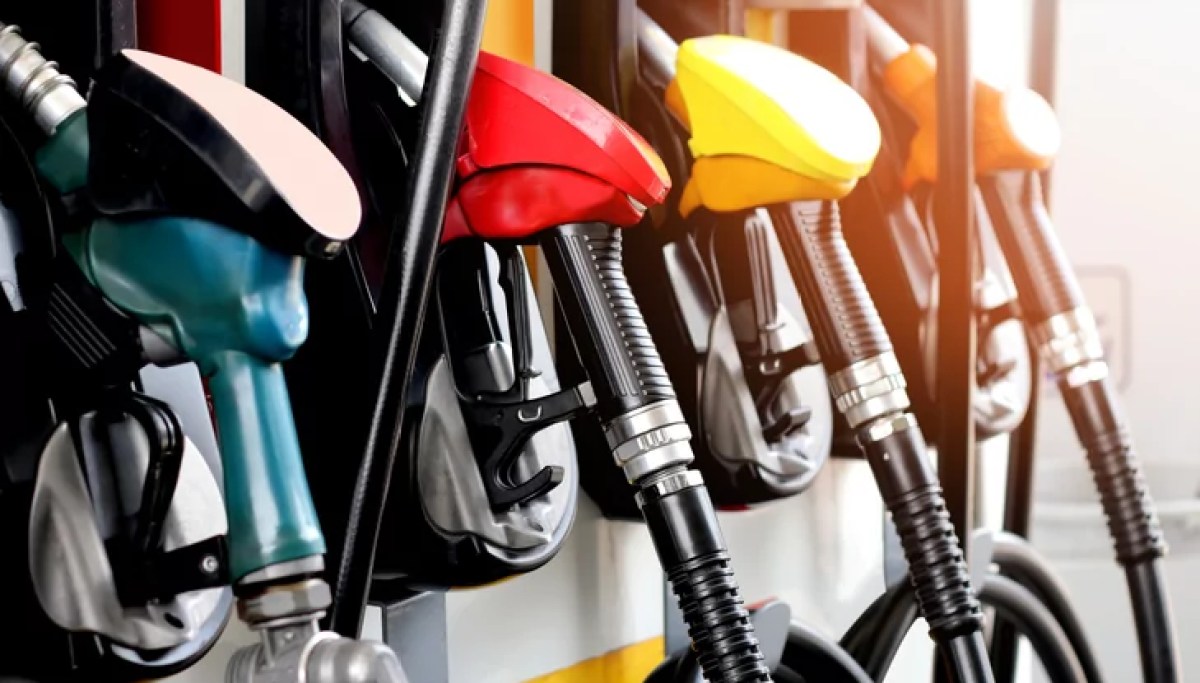
Cover image from washingtonexaminer.com, which was analyzed for this article
The conflict drives up US gas prices, with critics blaming Trump's war and states debating tax suspensions. European airlines face potential jet fuel shortages within weeks, compounded by refinery issues. Markets stabilize on de-escalation hopes but consumers feel the pinch.
PoliticalOS
Thursday, April 16, 2026 — Business
The Iran conflict has measurably tightened global oil supplies through Strait of Hormuz disruptions, pushing US gas above four dollars per gallon and creating credible risks of European jet fuel shortages within weeks. Political blame, limited state tax relief, and expert warnings about infrastructure costs complicate the picture, but the underlying supply shock is real and likely to persist into 2027 even if fighting fully stops. Readers should track AAA and EIA data rather than any single official's forecast.
What outlets missed
Most outlets underplayed the precise mechanics of how the Strait of Hormuz disruption translated into specific regional fuel shortages, including the 10-11 million barrels per day shortfall and the 3-6 month lag for full supply chain recovery even after any ceasefire. Coverage also largely omitted detailed EIA projections showing national gas prices likely averaging $3.46 in 2027, well above pre-conflict forecasts. The partisan split in state tax suspension actions received almost no attention. Finally, few pieces integrated the interaction between pre-existing winter refinery issues and the war's added pressure, or the fact that some European jet fuel warnings originated with Airports Council International rather than solely the IEA.
Americans Pay Devastating Price at the Pump as Iran War Disrupts Daily Life
High gas prices are once again hammering American families as the conflict with Iran enters its seventh week, forcing ordinary citizens to make painful choices between filling their tanks, buying groceries, or visiting loved ones. The national average for regular gasoline dipped slightly to $4.093 per gallon on Thursday, according to AAA, marking the sixth decline in seven days. Yet prices remain sharply higher than a month ago, when they stood at $3.718, and far above last year's $3.169. What began as a winter spike from weather-related refinery issues has exploded into a full-blown energy crisis since U.S. and Israeli military action against Iran intensified in late February.
The human toll is unmistakable. In rural Utah, Mandy, a 42-year-old mother, watched prices in her town climb from $2.70 a gallon before the war to $4.19 now. She can no longer afford the two-and-a-half-hour drive to visit her disabled daughter in a group home. "It was already expensive to go see her but now it's all but out of our budget, which is absolute anguish for her and me," she told The Guardian. "We live in a rural area. There is no public transportation." Other Americans described skipping essential medicines, cutting back on food, or staring down the threat of homelessness as the cost of living climbs alongside fuel. A CBS News poll found that 51 percent of respondents view current gas prices as a financial hardship.
Former Vice President Kamala Harris wasted little time assigning blame. In a post on X, she declared that "gas prices are too high" and "this is a direct result of Donald Trump's war of choice in Iran, and the American people are paying the price." Harris, appearing in a video in front of a gas station price sign, added that the president is focused on "his best political interests and personal interests, as opposed to what is in the best interest of working people in America." Republican Sen. Mike Lee of Utah pushed back, noting the previous Biden-Harris administration's efforts to restrict domestic production of gasoline and diesel.
The war has choked off oil flows through the Strait of Hormuz, creating what International Energy Agency Executive Director Fatih Birol called "the largest energy crisis we have ever faced." In an interview with the Associated Press, Birol warned that Europe could run out of jet fuel within six weeks. He painted a grim picture of higher gasoline prices, elevated electricity costs, slowing economic growth, and potential energy rationing, especially in emerging economies. Analysts tracking the blockade say the longer it persists, the worse the damage to global inflation and supply chains.
At the state level, relief has been limited. Only a handful of governors have moved to suspend fuel taxes. Georgia's Republican Gov. Brian Kemp signed a 60-day suspension of the state's 33-cent-per-gallon gas tax, projecting nearly $400 million in savings for drivers. Indiana's Gov. Mike Braun ordered a 30-day pause on that state's 7-percent gasoline sales tax. Utah trimmed its tax by just 6 cents. Most states are holding back. Tax policy experts argue that temporarily lifting the average 32.6-cent state gas tax would deliver less relief at the pump than expected while starving highway and bridge repair funds that come directly from those revenues. With the federal tax also in place, the combined bite remains substantial even if states act.
Treasury Secretary Scott Bessent signaled optimism that prices could fall further, while warning gas stations against price gouging. Yet the broader trend since the Iran conflict began tells a different story. Prices jumped from a five-year low of $2.79 in mid-January to over $4 by the end of March. Winter storms initially disrupted refineries, but the real surge arrived with the outbreak of hostilities. Now, even modest daily declines offer little comfort to families already stretched thin.
The crisis underscores a hard reality for working Americans who depend on their vehicles for everything from commuting to medical appointments. Rural residents feel it most acutely, with no public transit alternatives and long distances between necessities. Urban drivers face the same sticker shock at the pump while politicians in Washington trade blame. Harris's sharp criticism of the current administration echoes years of partisan fighting over energy policy, but the immediate pain at the pump is not abstract. It is measured in missed family visits, tighter budgets, and growing anxiety about what comes next if the Strait of Hormuz remains contested and global supplies stay constrained.
As the ceasefire in the region proves fragile, the energy fallout continues to ripple outward. Birol's warning of dire consequences for both Europe and the United States serves as a reminder that foreign conflicts rarely stay distant. When oil shipments are disrupted and fuel prices spike, the first victims are not policymakers but the truck drivers, delivery workers, single parents, and fixed-income households who must absorb the blow. Whether prices continue their modest retreat or reverse course again will depend on events far beyond any one gas station forecourt, yet the burden lands squarely on American drivers every time they fill up.
You just read America First's take. Want to read what actually happened?
More in Business & Economy
CPI Report and Oil Spike at $106 Shape Fed Outlook
Report expected at 3.6% headline and 2.5% core as oil hits $106/barrel from Middle East tensions. Fed rate decisions hang in balance.

Major Banks Deliver Mixed Q3 Results on Trading Beats
JPMorgan, Goldman Sachs, Citigroup, and Wells Fargo reported Q3 figures, with revenue beats in trading but some estimate misses. CNBC provided live updates on the results and market reactions.

Oil Falls on Russian Diesel Outlook Despite Geopolitical Risks
Dow futures rose while Nasdaq faced pressure from tech weakness and elevated oil after geopolitical spikes. CNBC tracked premarket moves tied to earnings and Fed speeches.

Hall and Woodford Win Economics Nobel for Stabilization Models
American economists Robert E. Hall and Michael Woodford won the Nobel memorial prize for their research on managing economies through booms and busts, informing central bank policies on inflation and unemployment.
The Compass
You just read five takes on one story.
What's your take? Find your political shape in a few minutes.
Take the test