
Iran Conflict Drives US Gas Over $4, Sparks Global Fuel Shortage Fears
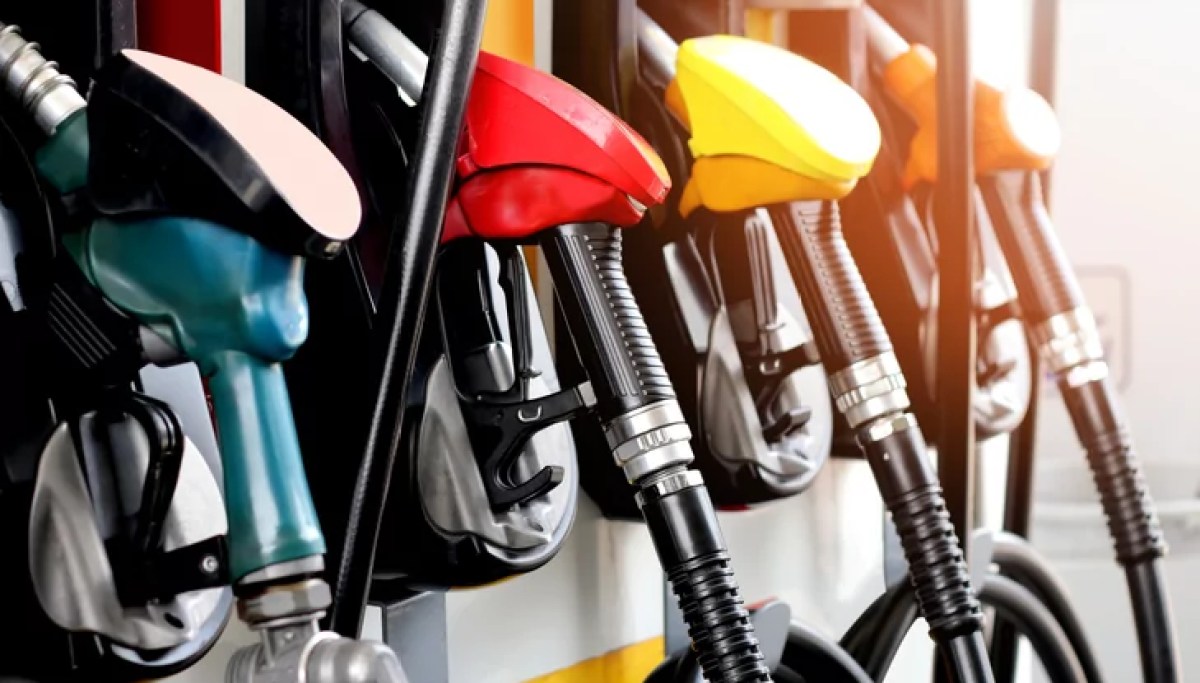
Cover image from washingtonexaminer.com, which was analyzed for this article
The conflict drives up US gas prices, with critics blaming Trump's war and states debating tax suspensions. European airlines face potential jet fuel shortages within weeks, compounded by refinery issues. Markets stabilize on de-escalation hopes but consumers feel the pinch.
PoliticalOS
Thursday, April 16, 2026 — Business
The Iran conflict has measurably tightened global oil supplies through Strait of Hormuz disruptions, pushing US gas above four dollars per gallon and creating credible risks of European jet fuel shortages within weeks. Political blame, limited state tax relief, and expert warnings about infrastructure costs complicate the picture, but the underlying supply shock is real and likely to persist into 2027 even if fighting fully stops. Readers should track AAA and EIA data rather than any single official's forecast.
What outlets missed
Most outlets underplayed the precise mechanics of how the Strait of Hormuz disruption translated into specific regional fuel shortages, including the 10-11 million barrels per day shortfall and the 3-6 month lag for full supply chain recovery even after any ceasefire. Coverage also largely omitted detailed EIA projections showing national gas prices likely averaging $3.46 in 2027, well above pre-conflict forecasts. The partisan split in state tax suspension actions received almost no attention. Finally, few pieces integrated the interaction between pre-existing winter refinery issues and the war's added pressure, or the fact that some European jet fuel warnings originated with Airports Council International rather than solely the IEA.
War in Iran Drives Sustained Pain at the Pump for American Families
National average gas prices fell for the sixth time in seven days to $4.09 a gallon on Thursday, according to AAA data, offering a sliver of relief after weeks of increases triggered by the U.S. and Israeli military campaign against Iran. Yet the modest decline, which leaves prices more than 90 cents higher than a month ago and well above last year's levels, underscores the enduring economic shock from a conflict now in its seventh week. Even with a fragile ceasefire in place, the disruption to global oil flows through the Strait of Hormuz has rippled outward, raising costs for everything from commuting to groceries and exposing the fragility of America's continued dependence on fossil fuels.
Former Vice President Kamala Harris has framed the surge as a direct consequence of presidential decision-making. "This is a direct result of Donald Trump's war of choice in Iran, and the American people are paying the price," she posted on X alongside a video filmed in North Carolina in front of a gas station price sign. Harris argued that the administration has prioritized political and personal considerations over the needs of working families, a line that resonates with many voters confronting higher costs amid an already strained cost of living.
Interviews with ordinary Americans reveal how quickly those abstract price increases translate into painful trade-offs. Mandy, a 42-year-old mother in rural Utah, watched local gas climb from $2.70 to $4.19 a gallon. The added expense has made visits to her disabled child, who lives in a group home two and a half hours away, nearly impossible. Without public transportation options, she faces a choice between family connection and financial survival. "It was already expensive to go see her but now it's all but out of our budget," she told The Guardian. "I'm terrified it's going to go closer to $5 before all is said and done."
Similar stories abound. Families report skipping medical appointments, cutting back on groceries, or edging closer to housing insecurity as every dollar spent on fuel crowds out other necessities. For people with disabilities or those living far from urban centers, the increases feel especially punishing. These accounts arrive against a backdrop of broader warnings from the International Energy Agency. Executive Director Fatih Birol told the Associated Press that Europe could run out of jet fuel within six weeks due to the Hormuz blockade, describing the situation as potentially "the largest energy crisis we have ever faced." The resulting pressure on gasoline, electricity, and inflation will not spare the United States, where 51 percent of respondents in a recent CBS News poll described current gas prices as a financial hardship.
Policy responses at the state level have been limited and cautious. Georgia temporarily suspended its 33-cent-per-gallon gas tax and 37-cent diesel tax for 60 days. Indiana paused its 7 percent gasoline sales tax for 30 days, while Utah trimmed its rate by just 6 cents. Most other states have held back. Tax experts note that fuel-tax suspensions often deliver less relief at the pump than drivers expect, because retailers and wholesalers may not pass savings fully along. More importantly, the lost revenue threatens funding for roads and bridges at a time when infrastructure needs are acute. The average state gas tax stands at 32.6 cents per gallon; removing it does not address the underlying supply shock from the Middle East.
The price trajectory tells its own story. After hitting a five-year low of $2.79 in mid-January, costs began rising due to winter weather disruptions before exploding once the Iran conflict intensified in late February. By late March the national average had crossed $4. The recent daily declines, praised by Treasury Secretary Scott Bessent as evidence of stabilizing markets, still leave prices elevated compared with the pre-war baseline. Republican critics, including Sen. Mike Lee of Utah, have countered Harris by pointing to Democratic energy policies during the Biden years, arguing that earlier efforts to constrain domestic production left the country more vulnerable.
Yet the current crisis cannot be separated from the foreign policy choices that precipitated it. The conflict's human costs, including strikes that killed civilians in Iran and Lebanon, have compounded public anger. Many Americans express fury not only at higher prices but at the broader sense that decisions made in Washington and Jerusalem are extracting costs from families who had no say in them. The bombing of an elementary school in Iran that claimed at least 175 lives has lingered in public consciousness, cited by readers as emblematic of misplaced priorities.
What emerges is a classic policy bind. Short-term measures like tax holidays provide political theater but little structural relief. Longer-term solutions would require reducing the economy's exposure to volatile global oil markets through accelerated clean energy deployment, strategic reserves management, and diplomatic efforts that prevent such crises rather than merely respond to them. For now, the war's economic bill continues to arrive in the form of higher prices at the pump, quietly reshaping household budgets across rural and suburban America alike. The slight daily drops in fuel costs may signal that the worst of the immediate spike has passed, yet the larger questions about energy security, fiscal trade-offs, and the domestic consequences of military engagement remain unresolved. Families like Mandy's are living those consequences one tank of gas at a time.
You just read Liberal's take. Want to read what actually happened?
More in Business & Economy
CPI Report and Oil Spike at $106 Shape Fed Outlook
Report expected at 3.6% headline and 2.5% core as oil hits $106/barrel from Middle East tensions. Fed rate decisions hang in balance.

Major Banks Deliver Mixed Q3 Results on Trading Beats
JPMorgan, Goldman Sachs, Citigroup, and Wells Fargo reported Q3 figures, with revenue beats in trading but some estimate misses. CNBC provided live updates on the results and market reactions.

Oil Falls on Russian Diesel Outlook Despite Geopolitical Risks
Dow futures rose while Nasdaq faced pressure from tech weakness and elevated oil after geopolitical spikes. CNBC tracked premarket moves tied to earnings and Fed speeches.

Hall and Woodford Win Economics Nobel for Stabilization Models
American economists Robert E. Hall and Michael Woodford won the Nobel memorial prize for their research on managing economies through booms and busts, informing central bank policies on inflation and unemployment.
The Compass
You just read five takes on one story.
What's your take? Find your political shape in a few minutes.
Take the test