
Iran Conflict Drives US Gas Over $4, Sparks Global Fuel Shortage Fears
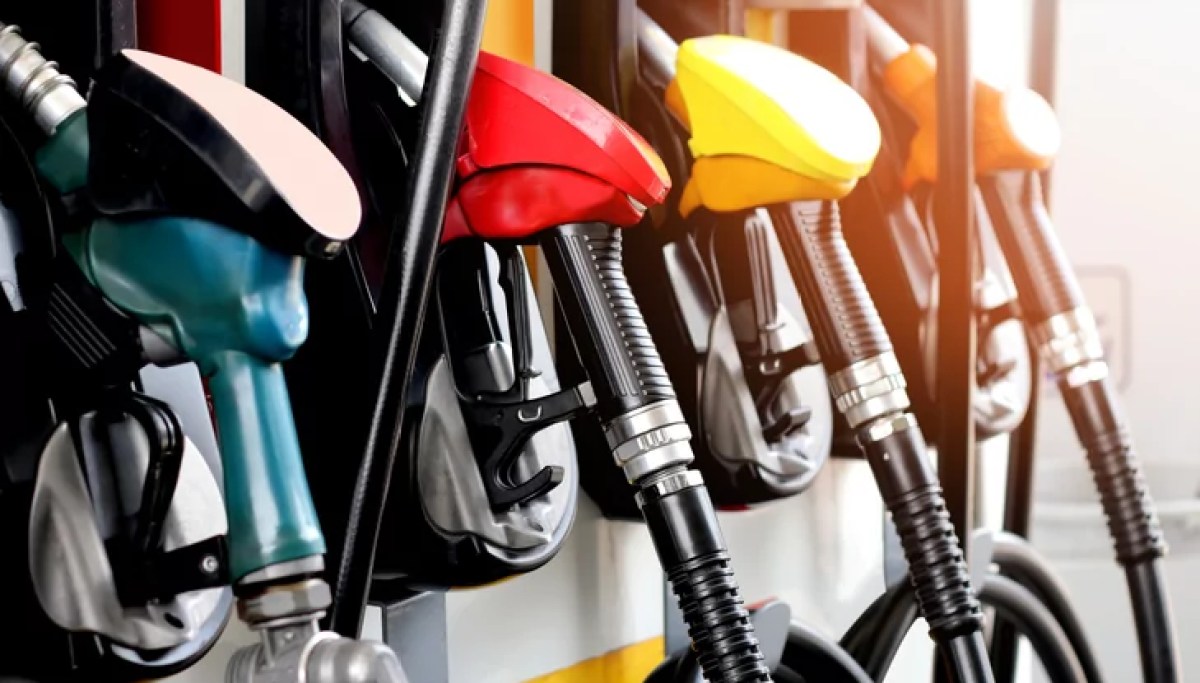
Cover image from washingtonexaminer.com, which was analyzed for this article
The conflict drives up US gas prices, with critics blaming Trump's war and states debating tax suspensions. European airlines face potential jet fuel shortages within weeks, compounded by refinery issues. Markets stabilize on de-escalation hopes but consumers feel the pinch.
PoliticalOS
Thursday, April 16, 2026 — Business
The Iran conflict has measurably tightened global oil supplies through Strait of Hormuz disruptions, pushing US gas above four dollars per gallon and creating credible risks of European jet fuel shortages within weeks. Political blame, limited state tax relief, and expert warnings about infrastructure costs complicate the picture, but the underlying supply shock is real and likely to persist into 2027 even if fighting fully stops. Readers should track AAA and EIA data rather than any single official's forecast.
What outlets missed
Most outlets underplayed the precise mechanics of how the Strait of Hormuz disruption translated into specific regional fuel shortages, including the 10-11 million barrels per day shortfall and the 3-6 month lag for full supply chain recovery even after any ceasefire. Coverage also largely omitted detailed EIA projections showing national gas prices likely averaging $3.46 in 2027, well above pre-conflict forecasts. The partisan split in state tax suspension actions received almost no attention. Finally, few pieces integrated the interaction between pre-existing winter refinery issues and the war's added pressure, or the fact that some European jet fuel warnings originated with Airports Council International rather than solely the IEA.
Americans Bear Brunt of Soaring Gas Prices as Trump’s War on Iran Drags On
As the fragile ceasefire in the U.S.-Israeli war on Iran enters its second week, American families are still absorbing the economic shock at the pump, with national average gas prices hovering near $4.10 a gallon even after a modest recent decline. The conflict, which critics have labeled a war of choice, has disrupted global oil flows through the Strait of Hormuz and sent fuel costs surging more than a dollar per gallon since late February, forcing working people into painful trade-offs between filling their tanks, buying groceries, and caring for loved ones.
Former Vice President Kamala Harris directly attributed the crisis to President Donald Trump. “Here in North Carolina and around the country, gas prices are too high,” she posted on X alongside a video showing fuel price signs. “This is a direct result of Donald Trump’s war of choice in Iran, and the American people are paying the price.” Harris added that the administration appears more focused on political and personal interests than on the needs of working families.
Her assessment aligns with the lived reality documented by ordinary Americans. Mandy, a 42-year-old mother in rural Utah, told The Guardian that prices in her town jumped from $2.70 to $4.19 a gallon. The increase has made it nearly impossible to visit her disabled child who lives two and a half hours away in a group home. “It was already expensive to go see her but now it’s all but out of our budget, which is absolute anguish for her and me,” she said. “We live in a rural area. There is no public transportation.” Mandy also expressed fury over the war’s human cost, citing an Israeli airstrike that killed at least 175 people at an Iranian elementary school in February. “I’ve just been feeling like this war will cause a recession. Even worse is what I imagine the civilians of Iran and Lebanon are enduring.”
Similar stories abound. Lisa, a 56-year-old woman living with disabilities, described how the price spike compounds the difficulty of affording medication and food. Many respondents noted that a one- or two-dollar increase per gallon is not a minor inconvenience but a direct threat to housing stability and access to essential services in an economy already strained by inflation.
The war’s ripple effects extend far beyond American roads. Fatih Birol, executive director of the International Energy Agency, warned Thursday that Europe could run out of jet fuel within six weeks because of the blockade in the Strait of Hormuz. Birol described the situation as “the largest energy crisis we have ever faced,” predicting higher gasoline prices, electricity costs, and broader damage to global economic growth and inflation, with emerging economies hit hardest.
Despite the pain, most states have resisted suspending fuel taxes. The average state gas tax stands at 32.6 cents per gallon. Tax policy experts argue that temporary suspensions deliver limited relief at the pump while depriving highway funds needed for road and bridge maintenance. Only a handful of Republican governors have acted: Georgia suspended its 33-cent gas tax for 60 days, Indiana paused its 7 percent sales tax on gasoline for 30 days, and Utah trimmed its rate by 6 cents. These moves, while politically popular, are narrow and temporary.
Gas prices did fall for the sixth time in seven days, reaching $4.093 on Thursday according to AAA, about seven cents lower than a week earlier. Yet the modest decline comes after a steep climb. Prices sat at $3.718 a month ago and just $3.169 a year ago. The surge began in earnest after the Iran conflict escalated in late February, compounding earlier increases tied to winter storms that had already disrupted refinery operations.
The Trump administration has shown little willingness to accept responsibility. Treasury Secretary Scott Bessent recently warned gas stations to remain “honest” on pricing while suggesting a major decline could be coming, though no concrete policy steps to ease the immediate burden have materialized. Republican Sen. Mike Lee of Utah pushed back against Democratic criticism by referencing the Biden-Harris era’s energy policies, but that earlier period saw far lower prices than the current spike.
The human and economic toll is unambiguous. Families in rural areas without transit options are effectively tethered to their homes. Small businesses reliant on delivery or travel face rising costs they cannot easily pass on. And the moral dimension lingers in the background: many Americans question a war that has exacted a heavy civilian toll abroad while imposing fresh hardship at home. With the ceasefire still tenuous and global energy markets remaining volatile, the coming weeks will test whether Washington prioritizes de-escalation and relief for working people or continues down a path that has already proven costly in both blood and treasure.
You just read Progressive's take. Want to read what actually happened?
More in Business & Economy

Stocks Rise on Earnings as Home Sales Hit Low
Major indices closed mixed to higher, led by healthcare and defensive stocks, as companies like Eli Lilly and UnitedHealth reported strong results. Pending home sales hit record lows.

US Stocks Mixed as Tech Rebounds on AI Optimism
The Dow slipped slightly while the S&P 500 and Nasdaq rose, led by Nvidia, AMD, and Intel gains on renewed AI sector confidence after prior drops. Broader market volatility tied to earnings and data center demand.

Trump Unveils $8 Billion Diesel Relief for Farmers
The Agriculture Department launched the program to offset record diesel prices for farmers, framed as economic aid and a midterm pitch in Kansas amid ongoing inflation and energy cost pressures.
CPI Rises to 3.7 Percent as Energy Costs Climb Amid Iran Conflict
Hotter-than-expected CPI figures fueled rate hike fears and contributed to sharp declines in AI and tech stocks. Left and right economic commentary debates Trump policies versus Fed actions.
The Compass
You just read five takes on one story.
What's your take? Find your political shape in a few minutes.
Take the test