
Iran War Drives Gas to $4.13, Clouding GOP Midterm Outlook
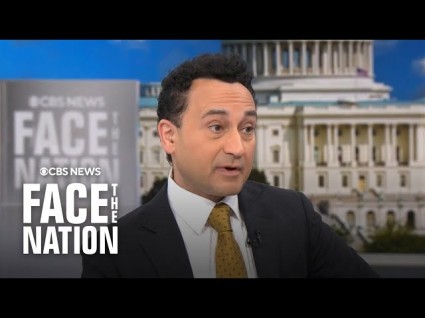
Cover image from crooksandliars.com, which was analyzed for this article
Trump admitted gas prices may not drop before midterms due to the Iran conflict, worsening forecasts for Republicans. Polls show Trump's war support 'circling the bowl' while candidates claim his backing despite snubs. The energy crisis sharpens voter concerns.
PoliticalOS
Monday, April 13, 2026 — Politics
Sustained high gas prices tied to the Iran conflict have become a tangible midterm liability for Republicans, with Trump himself signaling that relief may not arrive before voters cast ballots in November. While the president retains strong loyalty among GOP primary voters and many Republicans back the operation's goals, national polls reflect widespread anxiety over progress and costs that Democrats are already weaponizing. The single most important variable is whether diplomacy or military developments can stabilize energy markets in the coming months.
What outlets missed
Most outlets downplayed or omitted the documented origins of the conflict, including Iran's violent suppression of January 2026 protests that killed thousands of civilians and the IAEA's pre-strike findings of near-weapons-grade uranium stockpiles, details carried in Reuters and AP timelines but rarely integrated into the midterm political narrative. Full partisan breakdowns from the CBS poll showing continued strong Republican support for the operation and high confidence in Trump among his base were minimized in favor of aggregate national worry numbers. Precise mechanics of the U.S. response, clarified by Central Command as a targeted blockade of Iranian ports rather than a blanket strait closure, received inconsistent treatment, as did Ballotpedia's finding that Trump's 2026 primary endorsement success rate had fallen to 23 percent. These elements, when placed alongside economic data, alter the causal picture without changing the core electoral stakes.
Iran Conflict Drags On as Public Support Wanes and Economic Pressures Mount
Public frustration with the ongoing conflict with Iran has intensified in recent weeks, with new polling data revealing widespread anxiety over both the war's progress and its ripple effects on daily life. A CBS News/YouGov survey conducted April 8-10 found that 59 percent of Americans believe the war is going very or somewhat badly for the United States. Only 32 percent reported feeling safe or confident about the situation, while 68 percent expressed worry, 57 percent felt stressed, and 54 percent reported being angry.
The poll highlights a clear gap between American priorities and perceived results. Respondents ranked reopening the Strait of Hormuz for oil shipments, ensuring the safety and freedom of Iran's people, halting Iran's nuclear program, and deterring threats to other nations as top objectives. Yet majorities said none of these goals have been met. Fifty-seven percent said the strait remains closed to normal traffic, 58 percent said Iran's people have not been freed, and 49 percent said the nuclear program has not been permanently stopped. Fifty-five percent added that an outcome leaving Iran's current leadership in place would be unacceptable.
These sentiments arrive as President Trump's overall approval rating sits at 39 percent, with just 36 percent approving of his handling of the Iran situation. His marks on the economy stand at 35 percent and inflation at 31 percent, though his approval on immigration holds at 44 percent. Among Republicans, however, Trump's support remains robust, illustrating the party's continued alignment with him even as broader public opinion shifts.
The conflict, now in its seventh week, has driven up global oil prices and squeezed American consumers at the gas pump. Trump acknowledged on Fox News that prices may not decline substantially before the November midterms, suggesting they could remain around current levels or even tick slightly higher. This marks a shift from earlier messaging that framed the increases as temporary. The president has vowed to counter what he calls Iran's "world extortion" through the strait, but negotiations in Pakistan over the weekend yielded no breakthrough.
Iran has responded with defiance. On Monday, Iranian officials accused the United States of "piracy" for efforts to restrict maritime traffic in international waters. A spokesperson for Iran's armed forces declared that security in the Persian Gulf and Sea of Oman is "either for everyone or for no one," warning that threats to Iranian ports would endanger all ports in the region. Mohammad Bagher Ghalibaf, speaker of Iran's parliament, taunted that Americans would soon feel nostalgic for $4 to $5 gasoline, implying the blockade would push prices far higher.
The economic fallout is compounding political challenges for Republicans heading into the midterms. Party strategists acknowledge that sustained high energy costs threaten to undermine messages about tax relief and economic growth. Consumer sentiment has dropped sharply, and analysts warn that prolonged disruption could convert safe seats into competitive ones. Some Republicans express hope that the conflict and its aftereffects will fade from voters' immediate concerns by November, pointing to ongoing diplomatic efforts. Others note that the longer the war continues without clear victories, the greater the risk to the party's House and Senate majorities.
The situation also exposes tensions within Republican ranks. Several incumbents facing primary challenges from Trump-aligned candidates have worked to project presidential support despite lacking formal endorsements. In Louisiana, Sen. Bill Cassidy, who voted to convict Trump following the January 6 events, is battling challengers who received the president's nod. Such dynamics underscore Trump's enduring influence over GOP primaries even as his broader approval ratings have softened since the conflict began.
The Strait of Hormuz remains the focal point. Roughly one-fifth of global oil shipments pass through the waterway, and its effective closure has tightened supplies at a time when markets were already sensitive. Administration officials maintain that the action targets Iran's ability to fund destabilizing activities, yet the immediate burden has fallen on American drivers and businesses. Critics within conservative circles have long warned that military engagements in the Middle East carry unpredictable costs and incentive problems, where initial objectives expand and exit strategies grow elusive.
Trump's team continues to press for a resolution that prevents Iran from developing nuclear weapons and projecting power regionally. Yet the polling suggests many Americans doubt the current path is delivering those outcomes efficiently. With 29 percent still expressing pride in the U.S. role, a sizable bloc retains hope for success, but the dominant mood is one of impatience with results.
As midterms approach, both parties are recalibrating. Democrats have seized on the pocketbook pain, highlighting record-low consumer sentiment. Republicans counter that the conflict stems from unresolved threats left unaddressed in prior years and emphasize Trump's firm stance against Iranian aggression. The coming months will test whether tangible progress on the strait, nuclear issues, or leadership change can materialize before voters render judgment on the economic discomfort and strategic uncertainties the war has produced.
The data paints a picture of trade-offs familiar to students of policy: actions taken to neutralize dangers can generate fresh pressures that test political capital and public endurance. Whether the conflict's costs prove justified by ultimate strategic gains remains the central question confronting the administration and the electorate alike.
You just read Conservative's take. Want to read what actually happened?
More in Politics

Federal Agents Search Omar Home in Ongoing Immigration Probe
Homeland Security agents searched the Minnesota Democrat's DC residence in a criminal probe, prompting accusations of political intimidation from Omar and Democratic leaders. Coverage spans left-leaning outlets like NPR, BBC, and The Guardian alongside right-leaning criticism from The Federalist and Daily Wire.

Trump Diesel Import Plan Draws Pushback Over Russia Ties
The weekend agreement drew bipartisan congressional pushback and criticism from Ukraine's Zelenskyy, with analysts downplaying US fuel price impacts. Right-leaning outlets like National Review, Dispatch, and Washington Examiner questioned its legality and effectiveness.

Independents Test Voter Appetite for Middle Ground in 2026 Midterms
Nearly 200 independents are running in competitive races as voters weigh ballot measures on housing costs in states like Massachusetts. Left-leaning coverage from NYT, NPR, and Guardian highlights turnout and key races while right outlets focus on GOP strategy.
Trump Rallies in Alaska, Ohio to Bolster GOP Senate Candidates
The president rallied in Wasilla for Sen. Dan Sullivan and faced empty seats at an Ohio event amid midterm concerns. Outlets across the spectrum covered the trips as signals of GOP vulnerability weeks before Election Day.
The Compass
You just read five takes on one story.
What's your take? Find your political shape in a few minutes.
Take the test