
Iran War Drives Gas to $4.13, Clouding GOP Midterm Outlook
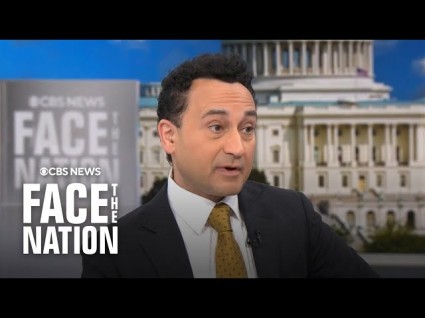
Cover image from crooksandliars.com, which was analyzed for this article
Trump admitted gas prices may not drop before midterms due to the Iran conflict, worsening forecasts for Republicans. Polls show Trump's war support 'circling the bowl' while candidates claim his backing despite snubs. The energy crisis sharpens voter concerns.
PoliticalOS
Monday, April 13, 2026 — Politics
Sustained high gas prices tied to the Iran conflict have become a tangible midterm liability for Republicans, with Trump himself signaling that relief may not arrive before voters cast ballots in November. While the president retains strong loyalty among GOP primary voters and many Republicans back the operation's goals, national polls reflect widespread anxiety over progress and costs that Democrats are already weaponizing. The single most important variable is whether diplomacy or military developments can stabilize energy markets in the coming months.
What outlets missed
Most outlets downplayed or omitted the documented origins of the conflict, including Iran's violent suppression of January 2026 protests that killed thousands of civilians and the IAEA's pre-strike findings of near-weapons-grade uranium stockpiles, details carried in Reuters and AP timelines but rarely integrated into the midterm political narrative. Full partisan breakdowns from the CBS poll showing continued strong Republican support for the operation and high confidence in Trump among his base were minimized in favor of aggregate national worry numbers. Precise mechanics of the U.S. response, clarified by Central Command as a targeted blockade of Iranian ports rather than a blanket strait closure, received inconsistent treatment, as did Ballotpedia's finding that Trump's 2026 primary endorsement success rate had fallen to 23 percent. These elements, when placed alongside economic data, alter the causal picture without changing the core electoral stakes.
Trump’s Iran War Erodes His Standing as Economic Pain Mounts and Objectives Slip
A CBS News/YouGov poll conducted this month captures a public that has grown sharply skeptical of President Trump’s military confrontation with Iran. Sixty-eight percent of respondents said they feel worried about the conflict, 57 percent reported feeling stressed, and 54 percent described themselves as angry. Only 32 percent said they feel safe or confident about how events are unfolding. Just 29 percent expressed pride in the United States’ role.
The survey, taken between April 8 and April 10, shows that most Americans believe the United States has failed to meet the very goals the administration has emphasized. Fifty-seven percent said the Strait of Hormuz has not been reopened to normal oil traffic. Fifty-eight percent said Iran’s people are not yet free, and 49 percent said Tehran’s nuclear program has not been permanently dismantled. A 55 percent majority told pollsters that an outcome leaving Iran’s current leadership in place would be unacceptable. Fifty-nine percent said the war is going very or somewhat badly for the United States.
Trump’s approval rating in the poll stands at 39 percent, with 61 percent disapproving. His handling of the Iran conflict earns even lower marks, at 36 percent positive. Those numbers reflect a broader slide since the fighting began. While Republican voters remain largely supportive of the president, the broader electorate is registering clear discomfort with both the human and economic costs of a conflict now in its seventh week.
The most immediate domestic consequence is the surge in gasoline prices. Oil markets reacted badly to the breakdown of talks between American and Iranian officials in Pakistan over the weekend. Trump, who once described the price spike as a short-term inconvenience, told Fox News on Sunday that costs “should be around the same” by the November midterms and could even be “a little bit higher.” The comment drew immediate concern from Republican strategists who had hoped to campaign on tax cuts and economic growth. Instead, they face an energy shock that Democrats are already tying directly to the war.
Iran’s leaders have moved quickly to exploit that vulnerability. On Monday, Iranian officials accused the United States of “piracy” for attempting to restrict maritime traffic in international waters near the Strait of Hormuz. A spokesperson for Iran’s armed forces warned that security in the Persian Gulf and Sea of Oman would be “for everyone or for no one,” and that threats to Iranian ports would be met in kind. Mohammad Bagher Ghalibaf, speaker of Iran’s parliament, taunted Americans on social media, telling them they would soon feel nostalgic for $4 or $5 gas. The rhetoric underscores how the conflict has settled into a dangerous stalemate in which neither side appears able to deliver a decisive blow or a face-saving exit.
Republican officials are watching the political consequences with unease. Several GOP strategists told reporters that a prolonged war threatens to turn safe seats into competitive ones by keeping inflation and economic anxiety at the forefront of voter minds. One strategist noted that the higher prices climb, the lower Republican poll numbers tend to fall. The White House has tried to project confidence that negotiations will eventually bear fruit and that the disruption will prove temporary. Yet the administration’s own stated objectives remain largely unmet, according to the public’s own assessment.
The political environment is further complicated by tensions within the Republican Party. Trump’s endorsement remains a powerful force in GOP primaries, and candidates facing intra-party challenges often try to signal his support even when it has not been formally extended. In Louisiana, Senator Bill Cassidy, who voted to convict Trump after the January 6 attack, is navigating a primary against candidates who do have the president’s blessing. Such dynamics illustrate how completely Trump still shapes the party, even as his broader popularity erodes.
Democrats, meanwhile, have begun sharpening their message around the war’s domestic fallout. A recent Democratic National Committee email highlighted consumer sentiment reaching its lowest level on record. Party leaders argue that the conflict has undermined the very economic stability Republicans promised to restore. For now, those attacks appear to be landing. The CBS poll found that only a small minority of Americans believe the administration has a clear plan for bringing the conflict to a successful close.
The longer the war continues without visible progress toward reopening oil routes, curbing Iran’s nuclear ambitions, or improving conditions inside the country, the more pressure builds on Republican candidates up and down the ballot. Trump’s occasional inflammatory statements, including a social media reference to wiping out “a whole civilization,” have added to the sense of unpredictability. Even some Republicans who support the initial decision to confront Iran worry that the execution has left the United States with few good options and mounting political costs.
Public sentiment can shift, and military conflicts are inherently volatile. Yet the current data paint a consistent picture: a skeptical electorate, unmet strategic goals, persistent economic pain at the pump, and a president whose approval on the central foreign policy challenge of the moment sits in the mid-30s. For Republicans hoping to hold congressional majorities in November, these numbers represent a serious and growing liability. The coming weeks will test whether the administration can translate military pressure into diplomatic leverage before voter frustration hardens into lasting political damage.
You just read Liberal's take. Want to read what actually happened?
More in Politics

Federal Agents Search Omar Home in Ongoing Immigration Probe
Homeland Security agents searched the Minnesota Democrat's DC residence in a criminal probe, prompting accusations of political intimidation from Omar and Democratic leaders. Coverage spans left-leaning outlets like NPR, BBC, and The Guardian alongside right-leaning criticism from The Federalist and Daily Wire.

Trump Diesel Import Plan Draws Pushback Over Russia Ties
The weekend agreement drew bipartisan congressional pushback and criticism from Ukraine's Zelenskyy, with analysts downplaying US fuel price impacts. Right-leaning outlets like National Review, Dispatch, and Washington Examiner questioned its legality and effectiveness.

Independents Test Voter Appetite for Middle Ground in 2026 Midterms
Nearly 200 independents are running in competitive races as voters weigh ballot measures on housing costs in states like Massachusetts. Left-leaning coverage from NYT, NPR, and Guardian highlights turnout and key races while right outlets focus on GOP strategy.
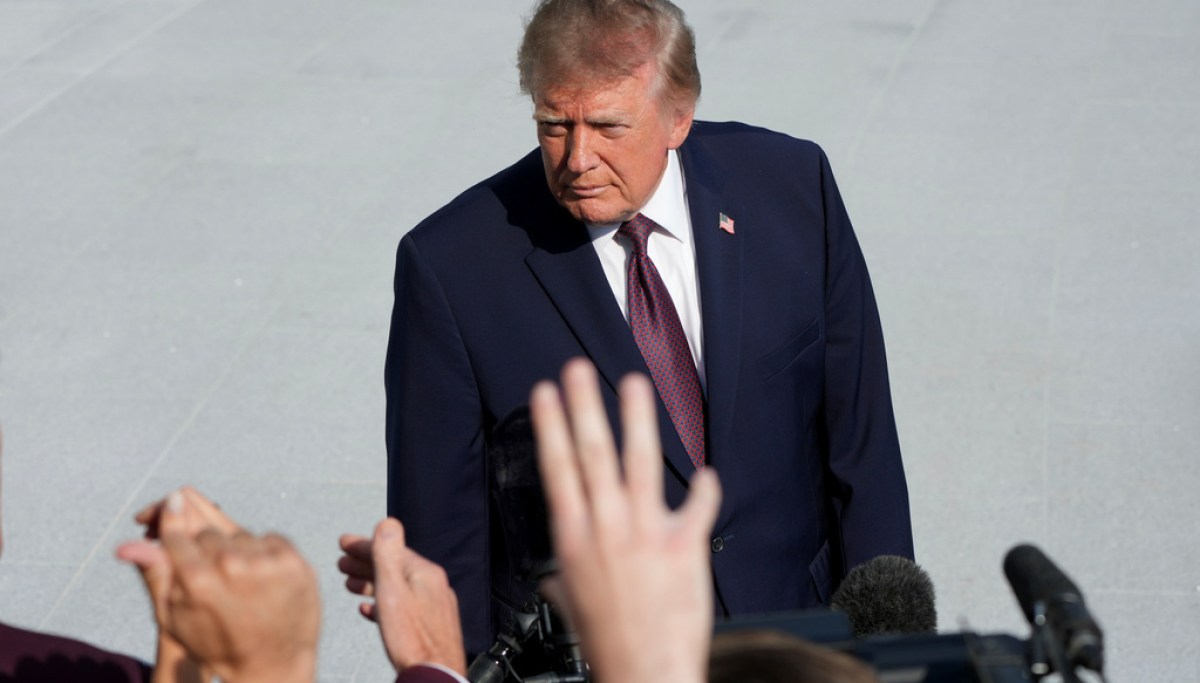
Trump Rallies in Alaska, Ohio to Bolster GOP Senate Candidates
The president rallied in Wasilla for Sen. Dan Sullivan and faced empty seats at an Ohio event amid midterm concerns. Outlets across the spectrum covered the trips as signals of GOP vulnerability weeks before Election Day.
The Compass
You just read five takes on one story.
What's your take? Find your political shape in a few minutes.
Take the test