
Iran War Drives Gas to $4.13, Clouding GOP Midterm Outlook
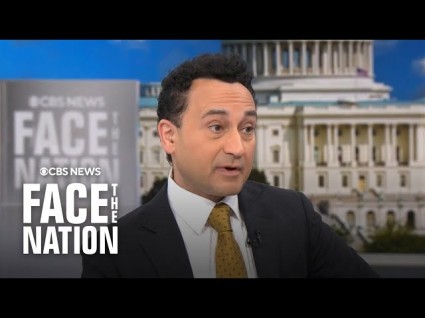
Cover image from crooksandliars.com, which was analyzed for this article
Trump admitted gas prices may not drop before midterms due to the Iran conflict, worsening forecasts for Republicans. Polls show Trump's war support 'circling the bowl' while candidates claim his backing despite snubs. The energy crisis sharpens voter concerns.
PoliticalOS
Monday, April 13, 2026 — Politics
Sustained high gas prices tied to the Iran conflict have become a tangible midterm liability for Republicans, with Trump himself signaling that relief may not arrive before voters cast ballots in November. While the president retains strong loyalty among GOP primary voters and many Republicans back the operation's goals, national polls reflect widespread anxiety over progress and costs that Democrats are already weaponizing. The single most important variable is whether diplomacy or military developments can stabilize energy markets in the coming months.
What outlets missed
Most outlets downplayed or omitted the documented origins of the conflict, including Iran's violent suppression of January 2026 protests that killed thousands of civilians and the IAEA's pre-strike findings of near-weapons-grade uranium stockpiles, details carried in Reuters and AP timelines but rarely integrated into the midterm political narrative. Full partisan breakdowns from the CBS poll showing continued strong Republican support for the operation and high confidence in Trump among his base were minimized in favor of aggregate national worry numbers. Precise mechanics of the U.S. response, clarified by Central Command as a targeted blockade of Iranian ports rather than a blanket strait closure, received inconsistent treatment, as did Ballotpedia's finding that Trump's 2026 primary endorsement success rate had fallen to 23 percent. These elements, when placed alongside economic data, alter the causal picture without changing the core electoral stakes.
Trump Faces Growing Backlash as Iran War Drags On With Little to Show for It
A new CBS News/YouGov poll has delivered a harsh verdict on President Donald Trump's military confrontation with Iran, revealing widespread public anxiety, anger and a belief that the conflict is going badly with few of its stated goals achieved. The survey, conducted April 8 to 10, comes as gas prices remain elevated, Iran issues defiant threats, and Republican strategists quietly panic about the political damage ahead of the November midterms.
According to the poll, 68 percent of Americans say they are worried about the war, 57 percent feel stressed, and 54 percent report being angry. Only 32 percent feel safe or confident about how it is unfolding, while just 29 percent express any pride in the United States' role. A clear majority, 59 percent, believe the war is going very or somewhat badly for the United States. Trump's overall approval rating sits at 39 percent approve and 61 percent disapprove, with his handling of the Iran conflict drawing support from just 36 percent of those surveyed.
The disconnect between rhetoric and reality is stark. Americans identified four clear priorities for the conflict: reopening the Strait of Hormuz to restore oil flows, ensuring the safety and freedom of Iran's people, permanently halting Iran's nuclear program, and preventing the country from threatening its neighbors. Yet majorities say none of these objectives have been met. Fifty-seven percent said the Strait remains closed. Fifty-eight percent said Iran's people have not been freed. Nearly half said the nuclear program has not been stopped. And 55 percent said they would find it unacceptable for the war to end with Iran's current leadership still in power.
These numbers reflect a public that feels the human and financial costs of the conflict far more acutely than any claimed strategic gains. The war, now in its seventh week, has driven up oil prices and sent consumer sentiment to record lows. Democrats have seized on the moment, with the Democratic National Committee highlighting the plunge in public confidence. Even some Republican strategists admit the political math is turning ugly. As one GOP consultant told The Washington Post, the longer the war drags on, the higher prices climb and the lower the polls go, potentially turning safe seats into battlegrounds.
Trump's own comments have only compounded the unease. In an interview on Fox News, the president suggested gas prices might still be at current levels or even a little higher by the time voters head to the polls in November. This marked a shift from his earlier predictions that the spike would prove short-lived. The mixed messaging comes after weekend talks between U.S. and Iranian officials in Pakistan ended without a breakthrough, pushing oil prices higher. Republican strategists told The New York Times that Trump's remarks create fresh headaches as the party tries to defend its majorities in Congress. Blaming inflation on the previous administration has become considerably harder when the current one is entangled in a war that is visibly driving up costs at the pump.
Iran, for its part, has responded with open defiance. On Monday, Iranian officials accused the United States of "piracy" after Trump threatened to block Iranian ports and restrict vessels in international waters. A spokesperson for Iran's armed forces declared that security in the Persian Gulf and Sea of Oman is "either for everyone or for no one," warning that threats to Iranian ports would endanger all ports in the region. Mohammad Bagher Ghalibaf, speaker of Iran's parliament, took to social media to taunt Americans directly, writing that they would soon feel nostalgic for four- and five-dollar gas prices. The regime's belligerent posture has done nothing to reassure Americans already feeling the pinch at the pump and the grocery store.
The political ripple effects are already visible within the Republican Party. While Trump's approval remains sky-high among core GOP voters, his overall numbers are sliding, and that decline is creating complications for incumbents. In Louisiana, Senator Bill Cassidy, who voted to convict Trump after the January 6 Capitol attack, now faces primary challenges from candidates who have secured the president's endorsement. Yet some Republican candidates snubbed by Trump are still campaigning as if they enjoy his support, a sign of how powerful his brand remains inside the party even as the broader electorate grows disillusioned.
The war's unpopularity has also highlighted the absence of a clear plan, according to the CBS poll. A majority of respondents do not believe the administration has articulated concrete objectives or a viable path to achieving them. This vacuum has alarmed politicians in both parties, especially after Trump's recent social media rhetoric that included threats to wipe out what he called "a whole civilization" in Iran. Such language has only deepened public discomfort.
As the conflict continues without resolution, the economic pain is not abstract. Higher energy costs are filtering through the entire economy, hitting working families hardest. Republicans who once hoped to campaign on tax cuts and economic optimism now find themselves defending a war that shows little sign of delivering the quick, decisive victory Trump promised. Democrats, meanwhile, are already framing the election as a referendum on Republican mismanagement and unnecessary conflict.
With the Strait of Hormuz still contested, nuclear concerns unresolved, and Iranian leadership firmly in place, the poll suggests Americans are losing patience. Trump's approval on Iran policy sits at just 36 percent, a number that Republican strategists fear could drag down the entire party if the situation does not improve rapidly. For a president who has long boasted about his deal-making abilities, the current combination of battlefield stalemate, economic fallout, and public fury represents a significant political liability, one that may define the midterm landscape far more than any promises made on the campaign trail.
You just read Progressive's take. Want to read what actually happened?
More in Politics

Federal Agents Search Omar Home in Ongoing Immigration Probe
Homeland Security agents searched the Minnesota Democrat's DC residence in a criminal probe, prompting accusations of political intimidation from Omar and Democratic leaders. Coverage spans left-leaning outlets like NPR, BBC, and The Guardian alongside right-leaning criticism from The Federalist and Daily Wire.

Trump Diesel Import Plan Draws Pushback Over Russia Ties
The weekend agreement drew bipartisan congressional pushback and criticism from Ukraine's Zelenskyy, with analysts downplaying US fuel price impacts. Right-leaning outlets like National Review, Dispatch, and Washington Examiner questioned its legality and effectiveness.

Independents Test Voter Appetite for Middle Ground in 2026 Midterms
Nearly 200 independents are running in competitive races as voters weigh ballot measures on housing costs in states like Massachusetts. Left-leaning coverage from NYT, NPR, and Guardian highlights turnout and key races while right outlets focus on GOP strategy.
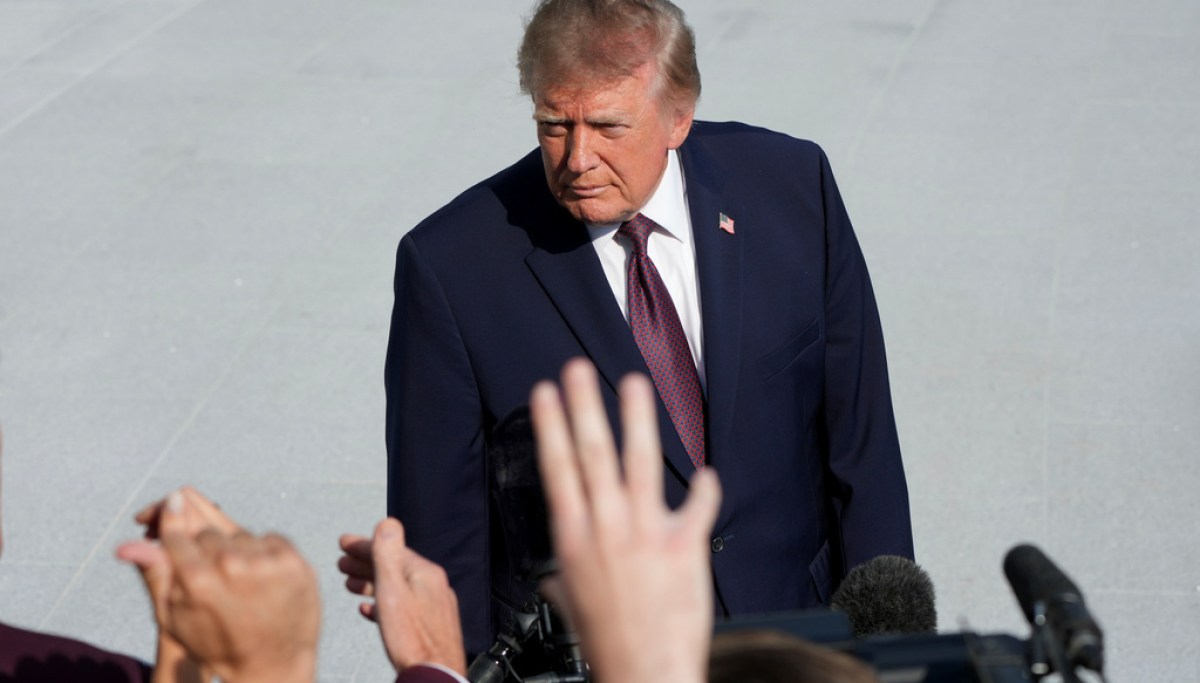
Trump Rallies in Alaska, Ohio to Bolster GOP Senate Candidates
The president rallied in Wasilla for Sen. Dan Sullivan and faced empty seats at an Ohio event amid midterm concerns. Outlets across the spectrum covered the trips as signals of GOP vulnerability weeks before Election Day.
The Compass
You just read five takes on one story.
What's your take? Find your political shape in a few minutes.
Take the test