
Iran War Spikes US Gas, Diesel and Fertilizer Prices, Squeezing Farmers and Small Businesses
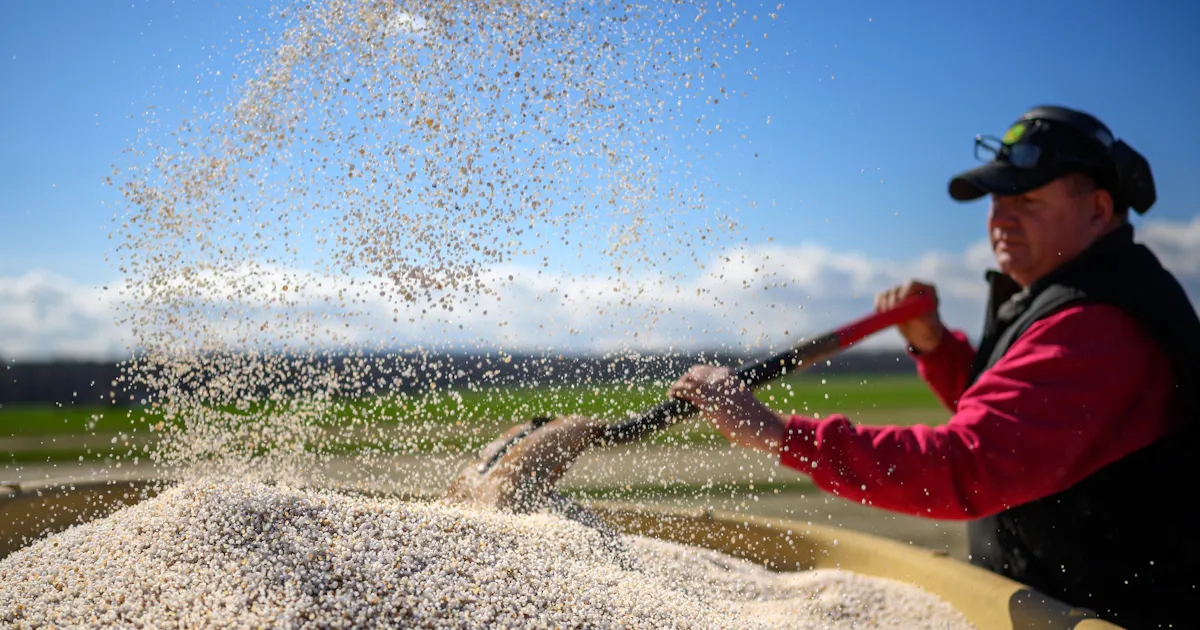
Cover image from newrepublic.com, which was analyzed for this article
The Iran war threatens small businesses and consumers' wallets while American farmers suffer from disruptions. Polls show Americans blaming Trump for surging gas prices heading into midterms. Refunds from illegal tariffs loom but savings may not reach families.
PoliticalOS
Friday, April 24, 2026 — Business
The 2026 Iran conflict produced verifiable spikes in U.S. gasoline, diesel and fertilizer prices that are raising costs for food, transport and farming, with effects likely to appear in summer and fall harvests. A Reuters/Ipsos poll indicates most Americans, including a majority of Republicans, hold President Trump responsible, narrowing Republican advantages on economic issues ahead of midterms. The episode reveals structural vulnerabilities in global commodity chains that predate the war and will persist after it, regardless of competing claims about strategic necessity.
What outlets missed
Most outlets underplayed the mid-April ceasefire and partial resumption of Strait of Hormuz shipping by April 16, which began easing some price pressure even as downstream harvest effects remained. Coverage also gave limited attention to U.S. domestic nitrogen fertilizer production, which meets 80-90 percent of needs and reduced exposure to Gulf supplies compared with the portrayal of total vulnerability. The $12 billion in supplemental farm subsidies and Trump administration moves to restore certain Biden-era grants for domestic and climate-smart fertilizer projects were mentioned in only one piece and not analyzed for adequacy. Finally, potential tariff refunds referenced in the broader economic context received no treatment, leaving unclear whether any savings would offset higher energy costs for households or simply remain tied up in legal and distribution processes.
Economic Fallout from Iran Conflict Strikes U.S. Farms and Truckers
The conflict with Iran that began in late February has now stretched into its third month, driving up global energy and fertilizer prices in ways that are beginning to squeeze American small businesses and promise higher costs for everyday consumers. Farms and trucking operations, which form the backbone of food production and distribution, are absorbing the first blows from disrupted oil markets and closed shipping lanes, according to industry reports and surveys compiled from multiple outlets.
The joint U.S.-Israeli military campaign initially aimed at neutralizing Iranian nuclear facilities and proxy threats has instead produced a sustained squeeze on energy supplies. Iran’s continued influence over the Strait of Hormuz, through which roughly one-fifth of global oil trade and up to a third of the international fertilizer market passes, has kept prices elevated even as fighting continues. President Trump, who once anticipated a resolution within weeks, stated this week that he has no fixed timetable for ending operations. Negotiations remain stalled.
The most immediate effect appears at the fuel pump. U.S. gasoline prices have climbed to about four dollars a gallon, roughly a dollar higher than before the strikes began. Diesel, critical for tractors, combines, and long-haul trucks, has followed a similar trajectory. A Reuters/Ipsos poll conducted this month found that 77 percent of registered voters hold the president at least partly responsible for the increase, including 55 percent of Republicans, 82 percent of independents, and 95 percent of Democrats. Fifty-eight percent of respondents said they would be less likely to support congressional candidates who back the administration’s approach to the Iran conflict, a finding that arrives six months before midterm elections in which Republicans hope to hold their House majority.
Yet the numbers that may matter most for household budgets come from the agricultural sector. Synthetic nitrogen fertilizer, derived from natural gas, is essential to roughly half of all global food production. Gulf producers supply much of the raw material and finished product, and the closure of key routes through the Strait of Hormuz has produced sharp price spikes. The American Farm Bureau Federation reported that 70 percent of farmers surveyed cannot afford all the fertilizer they need for the current growing season. Independent analyses suggest the added expense is already increasing the cost of producing corn by about 35 dollars per acre. With planting underway across the Northern Hemisphere, reduced application rates this year point toward lower yields and, eventually, higher grocery bills.
Trucking firms face parallel pressure. Higher diesel costs raise the expense of moving everything from grain to packaged goods. These increases seldom stay with the carrier. As one industry observer noted, the added costs typically pass through the supply chain until they reach the final buyer. Small businesses lack the financial buffers of larger corporations, making them more likely to trim routes, delay purchases, or raise prices sooner.
Military analysts in Jerusalem and Washington are already cataloging tactical lessons from what some are calling the 40-day war. Precision strikes, drone defenses, and intelligence coordination have demonstrated both strengths and remaining vulnerabilities in modern arsenals. Initial U.S. and Israeli operations in June 2025 and the current campaign have not, despite early claims, fully destroyed Iran’s capacity to produce nuclear material or ballistic missiles. The fighting also occurs against the backdrop of Israel’s earlier campaign in Gaza, which concluded in October 2025 with a fragile cease-fire. These strategic assessments, however, offer little comfort to a Midwest farmer staring at fertilizer invoices or a trucker calculating fuel margins.
The New Republic and other outlets have highlighted a deeper structural vulnerability. American agriculture’s heavy reliance on natural-gas-derived fertilizers ties domestic food production to distant geopolitical events. Proposals for alternatives, such as expanded use of precision application techniques, cover crops, or domestic production incentives, have circulated for years. Yet market signals and entrenched corporate interests have slowed widespread adoption. Whether the current price shock accelerates change remains uncertain.
For now, the pain is concrete. Poorer nations will likely face the most severe food shortages, but American consumers will not escape entirely. Higher input costs for farmers and transporters tend to translate into elevated prices for bread, meat, packaged foods, and other staples. Small businesses, which employ the majority of American workers, often absorb these shocks by reducing hires, postponing investments, or simply operating with thinner margins.
The conflict has already claimed thousands of lives and damaged regional infrastructure, including oil export facilities. Its economic consequences are now reaching American fields and highways. As the war grinds on without a clear exit, the question facing policymakers is how long the domestic economy can absorb these pressures before broader adjustments become unavoidable. Farmers and truckers, who have little say in foreign policy, are nevertheless paying a direct price for decisions made thousands of miles away. Consumers, in turn, will encounter that price at the checkout counter.
You just read Conservative's take. Want to read what actually happened?
More in Business & Economy

Stocks Rise on Earnings as Home Sales Hit Low
Major indices closed mixed to higher, led by healthcare and defensive stocks, as companies like Eli Lilly and UnitedHealth reported strong results. Pending home sales hit record lows.

US Stocks Mixed as Tech Rebounds on AI Optimism
The Dow slipped slightly while the S&P 500 and Nasdaq rose, led by Nvidia, AMD, and Intel gains on renewed AI sector confidence after prior drops. Broader market volatility tied to earnings and data center demand.

Trump Unveils $8 Billion Diesel Relief for Farmers
The Agriculture Department launched the program to offset record diesel prices for farmers, framed as economic aid and a midterm pitch in Kansas amid ongoing inflation and energy cost pressures.

CPI Rises to 3.7 Percent as Energy Costs Climb Amid Iran Conflict
Hotter-than-expected CPI figures fueled rate hike fears and contributed to sharp declines in AI and tech stocks. Left and right economic commentary debates Trump policies versus Fed actions.
The Compass
You just read five takes on one story.
What's your take? Find your political shape in a few minutes.
Take the test